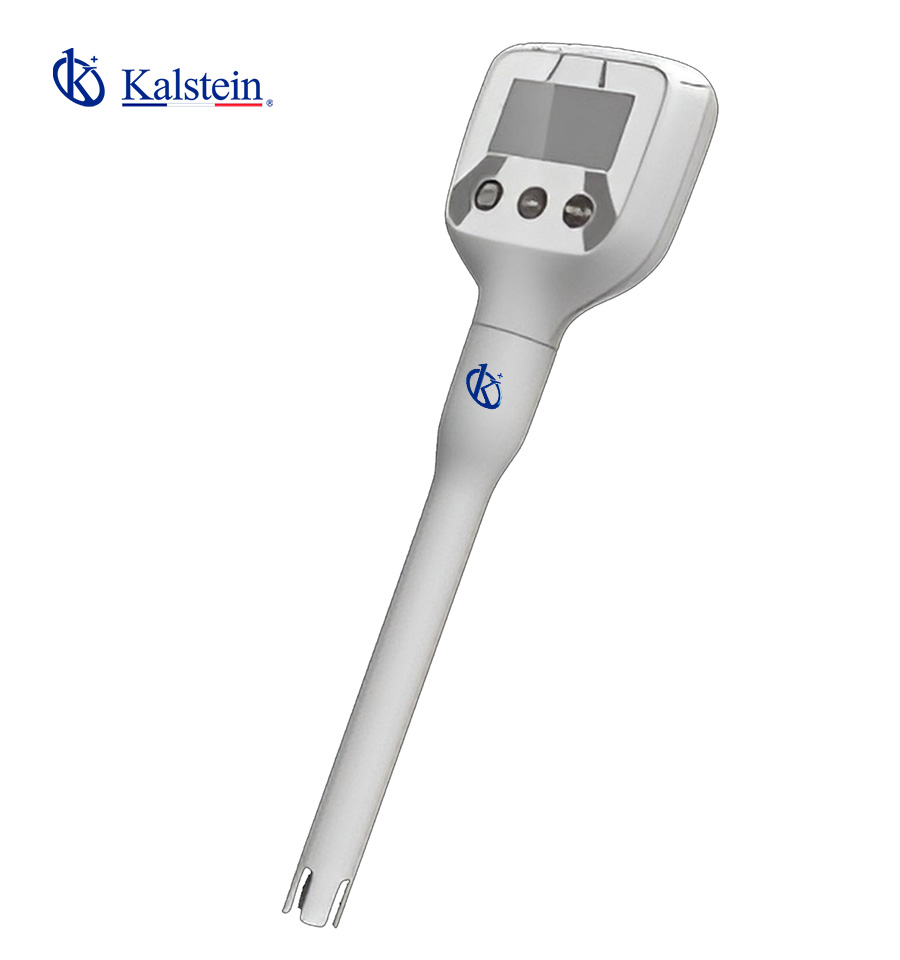
LIMS Integration and Data Flow Digitalization with Portable Conductivity Meters
In today’s fast-paced laboratory environment, the need for accurate measurements and efficient data management is paramount. Portable conductivity meters have emerged as essential tools in various applications, facilitating quick, reliable measurements of conductivity, total dissolved solids (TDS), and salinity. However, the integration of these devices with Laboratory Information Management Systems (LIMS) is a pivotal step toward enhancing workflow efficiency and data accuracy. This article delves into the benefits and methodologies of integrating portable conductivity meters with LIMS, focusing on the digitalization of data flow and the various models available in the market.
Understanding the Importance of LIMS Integration
LIMS integration streamlines laboratory processes by automating data collection, reducing human error, and ensuring compliance with various standards. By connecting portable conductivity meters to a LIMS, laboratories can achieve real-time data transfer, which enhances accuracy and traceability. This integration supports a higher throughput of samples, as data is recorded automatically without manual input. Moreover, it allows for better management of laboratory resources, helping to align operations with regulatory requirements.
Comparison of Available Models
| Model | Measurement Range | Resolution | Price (USD) | Best For |
|---|---|---|---|---|
| YR01805 | 0~10 mS/cm | 0.1/1 µS/cm; 0.01 mS/cm | 24.00 | Basic conductivity measurement |
| YR01806 | (0~19.99) mS/cm | 0.01/0.1/1 µS/cm | 149.00 | Advanced pH and conductivity measurement |
| YR01808 | 0 to 20.00 mS/cm | 0.01, 0.1, 1 | 59.00 | Multi-range conductivity analysis |
| YR01809 | 0 to 20.00 mS/cm | 0.01, 0.1, 1 | 62.00 | Multi-parameter analysis including TDS |
| YR01810 | 0 to 20.00 mS/cm | 0.01, 0.1, 1 | 65.00 | Salinity and TDS measurement |
| YR01811 | 0.5 to 100.0 ppm | 0.1 ppm | 50.00 | Low concentration liquids |
Key Features of Portable Conductivity Meters
Portable conductivity meters come with a variety of features designed to meet the demands of laboratory professionals:
- Automatic Calibration: Many models, such as the YR01806, offer automatic calibration, which simplifies the measurement process and ensures accuracy.
- Data Storage: Models like the YR01806 can store data for later retrieval, allowing for seamless integration with LIMS for data management.
- Temperature Compensation: Automatic temperature compensation is crucial for accurate readings across varying environmental conditions. This feature is standard in most modern portable meters.
- Durability: The IP57 rating of the YR01805 provides a level of protection against water and dust, making it suitable for fieldwork.
The Process of Integrating Portable Conductivity Meters with LIMS
Integrating portable conductivity meters with LIMS involves several key steps:
- Assess Compatibility: Ensure that the conductivity meter supports the necessary data communication protocols such as RS-232, USB, or Bluetooth.
- Configure Data Transfer: Set up the LIMS to accept data from the meter, typically by defining data inputs and establishing a data format.
- Testing: Conduct tests to confirm that readings from the meter are accurately reflected in the LIMS, ensuring there are no data losses or discrepancies.
- Training Staff: Provide training for laboratory staff on how to operate the integrated system effectively, ensuring they understand both the conductivity meter and LIMS functionalities.
Common Mistakes and How to Avoid Them
When integrating portable conductivity meters with LIMS, several common mistakes should be avoided:
- Neglecting Data Protocols: Ensure that the correct data protocols are followed to avoid communication errors.
- Insufficient Testing: Conduct comprehensive testing prior to full implementation to identify any issues.
- Inadequate Training: Ensure all personnel are trained in both the use of the meter and the LIMS to maximize efficiency.
Calibration and Maintenance of Portable Conductivity Meters
Regular calibration is essential for maintaining the accuracy of portable conductivity meters. Calibration intervals should be established based on the manufacturer’s recommendations and laboratory usage. A typical calibration schedule may look like this:
| Model | Calibration Frequency | Calibration Solutions |
|---|---|---|
| YR01805 | Monthly | 1413 µS/cm |
| YR01806 | Weekly | Multiple standards |
| YR01808 | Every 6 months | 1413 µS/cm |
| YR01809 | Monthly | Multiple standards |
| YR01810 | Every 3 months | 1413 µS/cm |
| YR01811 | Monthly | 71.8 ppm |
Frequently Asked Questions
How can I integrate a portable conductivity meter with my LIMS?
Integrating a portable conductivity meter, such as the YR01806, with a LIMS involves ensuring compatibility with data communication protocols, configuring the LIMS for data input, and testing for accuracy. Proper training for your staff is also essential to ensure smooth operation.
Which portable conductivity meter is best for laboratories focused on data digitalization?
The YR01806 is highly recommended for laboratories focused on data digitalization due to its advanced data storage and automatic calibration features, making it easy to integrate with a LIMS for efficient data management.
What are the calibration intervals for portable conductivity meters in a LIMS environment?
Calibration intervals for portable conductivity meters like the YR01805 typically occur monthly, while others like the YR01806 may require weekly calibration to maintain accuracy in a digitalized environment.
What features should I look for in a portable conductivity meter for LIMS integration?
Key features to look for include automatic calibration, data storage capabilities, temperature compensation, and connectivity options like Bluetooth or USB to facilitate integration with your LIMS.
How does integrating a portable conductivity meter improve laboratory efficiency?
Integrating a portable conductivity meter with LIMS improves laboratory efficiency by automating data collection, minimizing human error, and enabling real-time data access, thereby accelerating the workflow and decision-making processes.
Which model provides the best value for conductivity measurement in 2026?
The YR01806 provides the best value for conductivity measurement as it combines advanced features such as automatic calibration and data storage, making it ideal for laboratories looking to optimize their LIMS integration.
What is the role of temperature compensation in portable conductivity meters?
Temperature compensation ensures the accuracy of measurements across varying temperature conditions. Most portable conductivity meters, including models like the YR01810, feature automatic temperature compensation for reliable readings.
How can I ensure data integrity when using portable conductivity meters with LIMS?
To ensure data integrity, regularly calibrate your portable conductivity meters, confirm the correct data protocols are followed, and conduct thorough testing to verify that data is accurately recorded in the LIMS.
If you are looking for a fusion of innovation and quality, you have come to the right place. At Kalstein, we offer you the luxury of exploring our exclusive catalog of laboratory equipment. We manufacture every device to the highest standards of excellence. Our intuitive and seamless online purchasing channels are designed for your convenience, securing the most competitive prices. Hesitate no longer — we bring science to life, it is time to become part of our community.