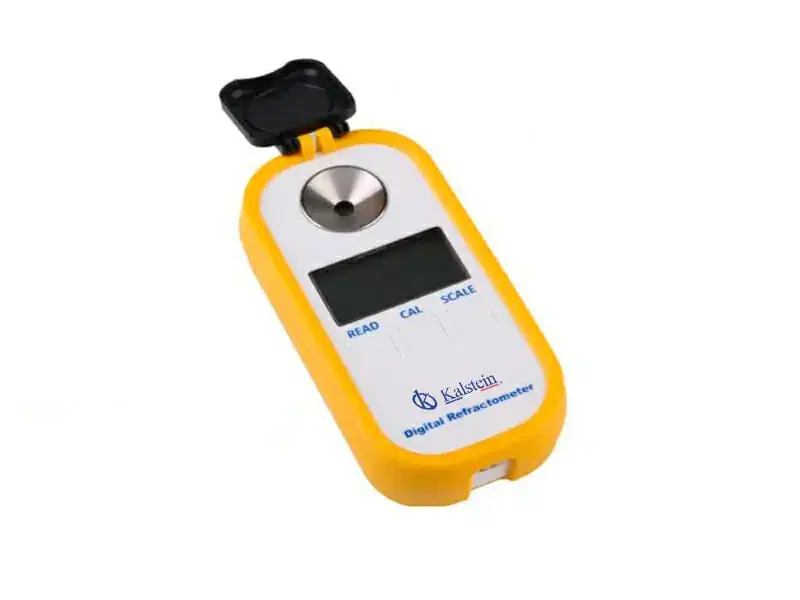
How to Achieve LIMS Integration with Digital BRIX+ Salinity Refractometers
In today's laboratory environment, the integration of data and the digitalization of workflows are critical for enhancing efficiency and accuracy. This article focuses on the Digital BRIX+ Salinity Refractometer family, examining how these instruments can be effectively integrated with Laboratory Information Management Systems (LIMS) to streamline processes and improve data accuracy.
Understanding Digital BRIX+ Salinity Refractometers
Digital BRIX+ Salinity Refractometers are essential tools for measuring the concentration of soluble solids in various solutions. They are particularly effective for applications in food and beverage testing, as well as in water quality analysis. These refractometers offer precision measurements of sugar concentration and salinity, making them invaluable in laboratories that require high accuracy and reliability.
Key Features of Digital BRIX+ Salinity Refractometers
The Digital BRIX+ Salinity Refractometers come equipped with several key features that enhance their functionality:
- Automatic Temperature Compensation (ATC): Ensures accurate measurements without the need for manual temperature adjustments.
- Wide Measurement Range: Capable of measuring Brix levels from 0-50% and salinity from 0-280‰.
- High Precision: Offers measurement accuracy of ±0.2%, which is critical for laboratory applications.
Benefits of LIMS Integration
Integrating Digital BRIX+ Salinity Refractometers with a Laboratory Information Management System provides numerous advantages, including:
- Streamlined Data Management: Facilitates real-time data entry and retrieval, reducing the chances of errors associated with manual data handling.
- Enhanced Reporting Capabilities: Automatically generate reports and dashboards that reflect real-time data analysis.
- Improved Compliance: Helps in maintaining records required for regulatory compliance, enhancing overall data integrity.
Comparison of Available Models
| Model Code | Measurement Range | Min. Division | Precision | ATC | Best for |
|---|---|---|---|---|---|
| YR05961 | Brix 0-50% | 0.10% | ±0.2% | Yes | Fruit juice analysis |
| YR05962 | Salinity 0-280‰ | 0.10% | ±0.2% | Yes | Sea water testing |
| YR05963 | Salinity 0-280‰ | 1‰ | ±2‰ | Yes | Aquaculture |
| YR05964 | Density 1.000-1.217 | 0.001 | ±0.002 | Yes | Food & Beverage density measurement |
| YR05965 | Refractive Index 1.3330-1.4200nD | 0.0001nD | ±0.0003nD | Yes | General laboratory use |
Integrating Digital BRIX+ Salinity Refractometers with LIMS
To achieve successful integration of Digital BRIX+ Salinity Refractometers with a LIMS, several key steps should be followed:
- Select Compatible Software: Ensure that the LIMS software can support the data output formats of the refractometers.
- Establish Communication Protocols: Utilize standard protocols such as ASTM or REST to facilitate seamless data transfer.
- Implement Middleware Solutions: If necessary, employ middleware solutions to bridge any gaps between the devices and the LIMS.
Common Mistakes and How to Avoid Them
To ensure a smooth integration process, avoid the following common pitfalls:
- Neglecting User Training: Ensure that all lab personnel are trained on how to operate the refractometers and understand LIMS functionalities.
- Overlooking Data Integrity: Regularly validate and audit data to ensure accuracy and compliance.
- Ignoring Vendor Support: Maintain open communication with vendors for troubleshooting and updates.
Frequently Asked Questions
What is the typical accuracy of Digital BRIX+ Salinity Refractometers?
The Digital BRIX Refractometers, such as the YR05961, offer impressive accuracy, typically ±0.2%. This precision is crucial for laboratory applications where accurate sugar concentration and salinity measurements are necessary.
How can I integrate a Digital BRIX Refractometer with my LIMS effectively?
To integrate a Digital BRIX Refractometer, ensure you establish correct communication protocols and select compatible LIMS software. Using middleware can also help facilitate the integration process, ensuring a seamless data flow.
What are the benefits of using Automatic Temperature Compensation in refractometers?
Automatic Temperature Compensation (ATC) in refractometers like the YR05961 enhances measurement accuracy by adjusting readings based on ambient temperature, which is crucial in maintaining reliable data across different testing conditions.
Which Digital BRIX model is best for measuring salinity in aquaculture?
The YR05963 model, offering a salinity measurement range of 0-280‰, is particularly suitable for aquaculture environments, providing necessary precision for maintaining optimal water conditions.
How does LIMS integration improve laboratory efficiency?
LIMS integration with Digital BRIX Refractometers significantly improves efficiency by automating data entry, enhancing reporting capabilities, and reducing human error in data handling, thus improving overall laboratory productivity.
What features should I consider in a refractometer for food testing?
When selecting a refractometer for food testing, consider models like YR05961 that offer high precision, wide measurement range, and features like Automatic Temperature Compensation to ensure accurate readings across various products.
How often should I calibrate my Digital BRIX Refractometer?
It's recommended to calibrate your Digital BRIX Refractometer, such as the YR05962, regularly based on usage frequency and manufacturer guidelines, typically every month or before critical measurements to maintain accuracy.
What are the ideal conditions for using Digital BRIX Refractometers?
Digital BRIX Refractometers should ideally be used in stable environments where temperatures can be controlled between 0-40°C, allowing for accurate readings and effective Automatic Temperature Compensation.
If you are looking for a fusion of innovation and quality, you have come to the right place. At Kalstein, we offer you the luxury of exploring our exclusive catalog of laboratory equipment. We manufacture every device to the highest standards of excellence. Our intuitive and seamless online purchasing channels are designed for your convenience, securing the most competitive prices. Hesitate no longer — we bring science to life, it is time to become part of our community.