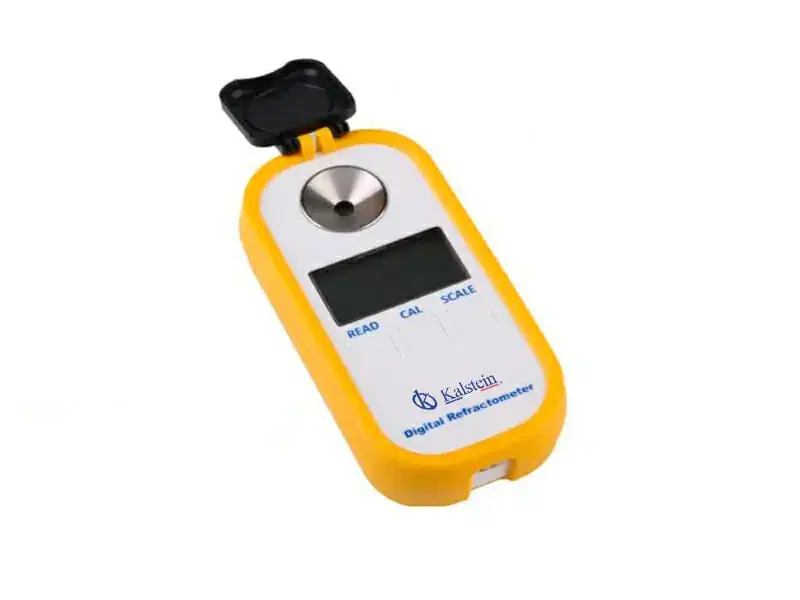
How to Achieve LIMS Integration with Digital BRIX Refractometers
Digital BRIX refractometers are essential tools in laboratories for measuring the concentration of soluble solids in aqueous solutions. Their ability to provide accurate and reliable data is enhanced when integrated with Laboratory Information Management Systems (LIMS). This article delves into the integration of digital BRIX refractometers with LIMS, emphasizing data flow optimization and improving laboratory efficiency.
Understanding Digital BRIX Refractometers
Digital BRIX refractometers, such as the YR05944, YR05945, YR05946, YR05947, YR05948, and YR05949, are designed to measure the concentration of soluble solids, primarily sugars, in solutions. These devices offer automatic temperature compensation (ATC) and utilize standardized Brix scales for accuracy. They find applications in various industries, including food and beverage, pharmaceuticals, and chemical manufacturing.
The Importance of LIMS in Laboratory Operations
A Laboratory Information Management System (LIMS) is crucial for managing samples, associated data, and laboratory workflows. By integrating digital BRIX refractometers with LIMS, laboratories can automate data entry, streamline reporting, and improve compliance with regulatory standards. This integration facilitates real-time data access, enhancing decision-making processes.
Key Features of Digital BRIX Refractometers
Each model of digital BRIX refractometers has unique features that cater to specific laboratory needs. For instance:
- YR05944: Ideal for measuring Brix and refractive index with a range of 0.0-50.0% Brix.
- YR05945: Suitable for assessing higher Brix levels up to 90.0%.
- YR05946: Offers flexibility for both Brix and refractive index measurement.
- YR05947: Focused on dextran measurement, making it essential for specific applications.
- YR05948: Specializes in fructose concentrations, vital for food quality control.
- YR05949: Tailored for glucose measurement, often used in dietary assessments.
LIMS Integration Benefits
Integrating digital BRIX refractometers with a LIMS provides numerous advantages, including:
- Data Accuracy: Minimizes human error in data entry and enhances the reliability of results.
- Workflow Efficiency: Streamlines sample tracking and data management, allowing for better use of laboratory resources.
- Regulatory Compliance: Assures adherence to industry standards by maintaining traceable records.
- Real-Time Monitoring: Facilitates immediate access to data for timely decision-making.
Technical Specifications and Comparison of Available Models
The following table outlines key specifications for the digital BRIX refractometers discussed in this article, focusing on their integration capabilities with LIMS.
| Model | Measurement Range | Minimum Division | Accuracy | ATC | Price (USD) |
|---|---|---|---|---|---|
| YR05944 | Brix: 0.0-50.0% | 0.10% | ±0.2% | Yes | 76.00 |
| YR05945 | Brix: 0.0-90.0% | 0.10% | ±0.2% | Yes | 95.00 |
| YR05946 | Refractive Index: 1.3330-1.5177nD | 0.0001nD | ±0.0003nD | Yes | 95.00 |
| YR05947 | Dextran: 0.0-10.6% | 0.10% | ±0.2% | Yes | 95.00 |
| YR05948 | Fructose: 0.0-68.9% | 0.10% | ±0.2% | Yes | 95.00 |
| YR05949 | Glucose: 0.0-59.9% | 0.10% | ±0.2% | Yes | 95.00 |
Common Mistakes and How to Avoid Them
Many laboratories face challenges when integrating technology, leading to common mistakes such as:
- Underestimating Training Needs: Ensure that all staff are trained on LIMS and refractometer usage to minimize data entry errors.
- Neglecting Regular Maintenance: Regularly calibrate refractometers to maintain accuracy and reliability.
- Failing to Validate Data: Implement a robust validation protocol for data transferred to LIMS to ensure data integrity.
Frequently Asked Questions
How can LIMS integration improve data accuracy for Digital BRIX refractometers?
Integrating digital BRIX refractometers like the YR05944 with LIMS eliminates manual data entry, reducing human error and enhancing data accuracy significantly. This leads to more reliable results in sugar concentration measurement, ensuring compliance with standards.
What specific protocols should be followed for integrating BRIX data into LIMS?
Integrating BRIX data requires adherence to specific protocols, including ASTM standards for data handling and HL7 for health information exchange. These protocols facilitate seamless communication between devices and LIMS, allowing models like YR05945 to contribute effectively to data systems.
What are the cost implications of integrating Digital BRIX refractometers with LIMS?
The cost of integration varies depending on the complexity of the system and the models used. However, investing in models like YR05946 can lead to long-term savings by automating data processes and reducing operational costs over time.
How do I ensure compliance with ISO standards when using Digital BRIX refractometers?
To ensure compliance with ISO standards, laboratories must implement documented procedures for using digital BRIX refractometers like YR05948. This includes maintaining records of calibration and validation, which are essential for meeting ISO 17025 requirements.
Which Digital BRIX refractometer is best suited for high sugar content solutions?
The YR05945 is specifically designed for measuring Brix levels up to 90.0%, making it ideal for high sugar content solutions such as syrups and fruit juices, ensuring accurate results in production environments.
How can data from Digital BRIX refractometers be validated in LIMS?
Data validation can be achieved through automated checks within the LIMS platform, ensuring that readings from models like YR05947 meet predefined criteria for accuracy and consistency, thus maintaining data integrity.
What is the importance of automatic temperature compensation (ATC) in Digital BRIX refractometers?
Automatic Temperature Compensation (ATC) is crucial for accurate measurements across varying temperatures. Models like YR05949 utilize ATC to provide reliable Brix readings, eliminating the need for manual temperature adjustments and ensuring consistent quality control.
How does LIMS help in managing data from multiple Digital BRIX refractometers?
LIMS effectively manages data from multiple digital BRIX refractometers by consolidating data streams, allowing for efficient tracking and reporting. This integration helps laboratories optimize workflow and maintain accuracy across different measurement devices.
If you are looking for a fusion of innovation and quality, you have come to the right place. At Kalstein, we offer you the luxury of exploring our exclusive catalog of laboratory equipment. We manufacture every device to the highest standards of excellence. Our intuitive and seamless online purchasing channels are designed for your convenience, securing the most competitive prices. Hesitate no longer — we bring science to life, it is time to become part of our community.