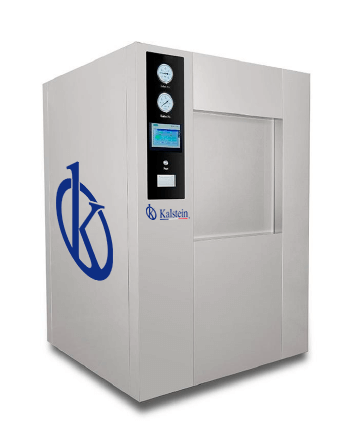
How to Achieve LIMS Integration and Data Flow Digitalization with Vertical Autoclaves?
In modern laboratory settings, the integration of devices with Laboratory Information Management Systems (LIMS) has become crucial for enhancing efficiency and accuracy in data handling. This article focuses on vertical autoclaves and how they can be integrated with LIMS to streamline operations and ensure effective data flow. We will examine various models, their specific features, and the benefits they bring to your laboratory processes.
Understanding the Importance of LIMS Integration
LIMS integration facilitates seamless data management across laboratory devices, providing real-time access to information and enhancing decision-making processes. By integrating vertical autoclaves with LIMS, laboratories can automate documentation, ensure compliance with standards, and improve traceability. This leads to increased productivity and reduced manual errors, making it indispensable for modern lab operations.
Key Features of Vertical Autoclaves Supporting LIMS Integration
Vertical autoclaves such as the YR05653, YR05655, and others come with advanced features that support effective LIMS integration. These features include digital controls, connectivity options, and data logging capabilities that allow for easy interfacing with laboratory systems. This section will explore how these attributes contribute to a more efficient workflow.
Digital Controls and Automation
Models like the YR05655 are equipped with digital controls that enable precise temperature and pressure management. This automation reduces the risk of human error and allows for real-time data collection that can be directly sent to the LIMS, ensuring a streamlined workflow.
Connectivity Options
Many vertical autoclaves support multiple connectivity protocols such as HL7 and ASTM, making it easier for laboratories to connect them with existing LIMS. This compatibility is crucial for enabling data exchange and ensuring that all sterilization processes are documented accurately.
Benefits of Digitalizing Data Flow with Vertical Autoclaves
Digitalizing data flow through LIMS integration allows laboratories to maintain comprehensive records of sterilization cycles, which is essential for quality control and regulatory compliance. This section will delve into the specific benefits offered by models like the YR05653-1 and YR05656.
Enhanced Traceability
With LIMS integration, every sterilization cycle conducted by models like the YR05656 can be traced back to the specific batch of items processed. This feature is crucial for compliance with various industry standards and helps in maintaining a robust quality management system.
Improved Compliance
Integrating vertical autoclaves with LIMS ensures that all operational data is logged and preserved, facilitating easier audits and compliance checks. This is particularly important in regulated environments where adherence to standards such as ISO 17025 is mandatory.
Comparison of Available Models
| Model | Design Pressure (Mpa) | Temperature Range (°C) | Connection Protocols | Best For |
|---|---|---|---|---|
| YR05653 | -0.1/0.3 | 105-139 | HL7, ASTM | General laboratory use |
| YR05653-1 | -0.1/0.3 | 105-139 | HL7, ASTM | Research institutions |
| YR05655 | 0.22 | 100-134 | HL7, ASTM | Pharmaceutical applications |
| YR05656 | 0.22 | 100-134 | HL7, ASTM | CSSD |
Common Mistakes and How to Avoid Them
Integration challenges often arise during the LIMS setup process. Common mistakes include inadequate training, failure to assess compatibility, and insufficient documentation practices. To avoid these pitfalls, laboratories should ensure thorough training for personnel, conduct compatibility assessments for all devices, and implement comprehensive documentation protocols from the outset.
Frequently Asked Questions
How does LIMS integration improve efficiency in vertical autoclave operations?
LIMS integration enhances efficiency by automating data logging and facilitating real-time monitoring of autoclave processes. For instance, the YR05655 can transmit cycle data directly to the LIMS, reducing manual entry and errors.
What specific LIMS protocols do vertical autoclaves support for data exchange?
Vertical autoclaves like the YR05656 support protocols such as HL7 and ASTM, enabling seamless data exchange with LIMS systems. This compatibility is crucial for maintaining accurate records of sterilization processes.
Which vertical autoclave model is best for compliance with ISO 17025?
The YR05653 model is ideal for compliance with ISO 17025 due to its precise control systems and ability to automatically log data directly to LIMS, ensuring accurate record-keeping and traceability.
How can I ensure successful integration of vertical autoclaves with my LIMS?
To ensure successful integration, it’s advisable to conduct a thorough compatibility assessment of your vertical autoclave, such as the YR05655, with existing LIMS systems and provide adequate training for personnel on data management.
What are the benefits of using a PID processor in vertical autoclaves?
Using a PID processor in vertical autoclaves like the YR05656 enhances temperature control precision, which is critical for effective sterilization and compliance with regulatory standards like ISO 17025.
Which vertical autoclave is best suited for high-temperature sterilization applications?
The YR05658 is best suited for high-temperature sterilization applications, capable of operating at temperatures reaching 134°C, making it perfect for pharmaceutical laboratories.
How does digital monitoring facilitate data integrity in autoclave operations?
Digital monitoring, as seen in models like the YR05653-1, ensures real-time data logging and alerts for any deviations, which helps maintain data integrity and compliance with quality standards.
What are the key specifications to consider in a vertical autoclave for laboratory use?
Key specifications include temperature range, pressure design, connectivity options, and automation features. Models like the YR05655 provide comprehensive features that enhance data management and operational efficiency.
If you are looking for a fusion of innovation and quality, you have come to the right place. At Kalstein, we offer you the luxury of exploring our exclusive catalog of laboratory equipment. We manufacture every device to the highest standards of excellence. Our intuitive and seamless online purchasing channels are designed for your convenience, securing the most competitive prices. Hesitate no longer — we bring science to life, it is time to become part of our community.