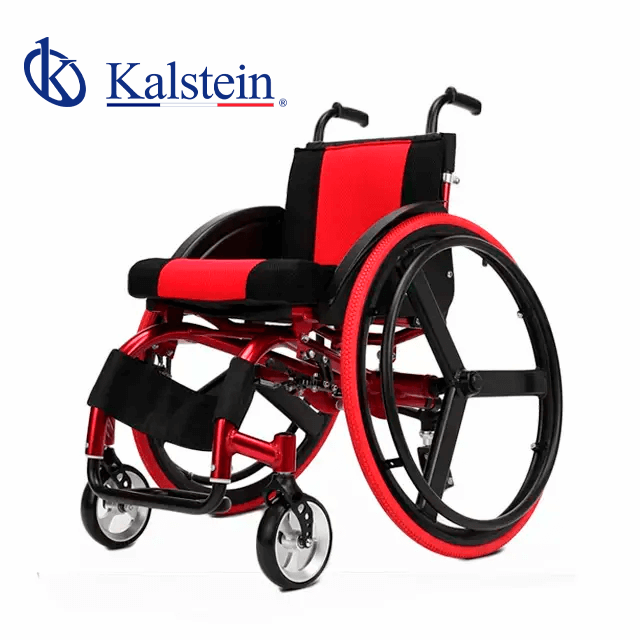
Understanding ISO/IEC Standards and Regulatory Compliance in Sports Wheelchairs
In the ever-evolving field of sports wheelchairs, regulatory compliance and adherence to ISO/IEC standards play a pivotal role. These standards ensure that sports wheelchairs not only meet safety and performance criteria but also cater to the diverse needs of athletes. This article delves into various models of sports wheelchairs, examines the regulatory landscape, and identifies how each model aligns with ISO/IEC standards.
Overview of ISO/IEC Standards Relevant to Sports Wheelchairs
ISO/IEC standards are essential for ensuring that sports wheelchairs are safe, reliable, and capable of performing under various conditions. Specific standards such as ISO 17025, which pertains to testing and calibration laboratories, and ISO 9001, which focuses on quality management systems, are particularly relevant. Compliance with these standards not only facilitates market access but also instills confidence in users regarding the quality and safety of the equipment.
Key ISO/IEC Standards for Sports Wheelchair Compliance
Several key ISO/IEC standards are integral to sports wheelchairs. ISO 13485, which outlines requirements for a quality management system where an organization needs to demonstrate its ability to provide medical devices and related services, is crucial. Additionally, ISO 7176 covers the requirements for wheelchairs, including testing methods that ensure safety and performance during use.
Model Comparison: Evaluating Compliance and Performance
| Model | ISO/IEC Clauses Covered | Traceability Features | Best For |
|---|---|---|---|
| YR05461 | ISO 13485, ISO 7176 | Quick-release rear wheel | General sports activities |
| YR05462 | ISO 13485, ISO 7176 | Easy-folding design | Competitive sports |
| YR05463 | ISO 13485, ISO 7176 | Lightweight frame with adjustable features | Adaptive sports |
Common Mistakes in Understanding ISO/IEC Compliance for Sports Wheelchairs
One common mistake when considering ISO/IEC compliance is overlooking the significance of regular audits and documentation updates. Many manufacturers assume that obtaining certification is a one-time effort, but continuous compliance is crucial. Additionally, failing to fully understand the specific standards applicable to sports wheelchairs can lead to significant oversights in safety and performance.
Common Documentation Requirements for Compliance
Documentation is a critical aspect of regulatory compliance. This includes maintaining records of design processes, quality control measures, and test results. For instance, ensuring that each model, such as YR05461, has a comprehensive document trail that verifies adherence to ISO 13485 and ISO 7176 is essential for successful audits and market acceptance.
Benefits of Compliance with ISO/IEC Standards
Compliance with ISO/IEC standards offers numerous benefits, including enhanced quality, improved marketability, and better customer trust. For instance, sports wheelchair models like YR05462 showcase remarkable durability and performance, aligning with ISO standards that promote quality assurance. This not only meets regulatory expectations but also elevates user satisfaction.
Productivity and Efficiency in Sports Wheelchair Manufacturing
Manufacturers are increasingly adopting lean methodologies to optimize their production processes while ensuring compliance with ISO standards. A focus on productivity not only reduces costs but also enhances the quality of the final product. For example, adopting a streamlined design process for models like YR05463 can significantly improve turnaround times while ensuring safety standards are met.
Future Trends in Sports Wheelchair Compliance and Standards
As technology advances, the regulatory landscape for sports wheelchairs will continue to evolve. Innovations in materials and design will likely prompt updates to existing standards. Manufacturers will need to stay informed about these developments to maintain compliance. For instance, the use of lightweight, durable materials in models like YR05461 will require adherence to evolving safety standards in the coming years.
Frequently Asked Questions
What are the key ISO standards for sports wheelchairs in 2023?
The key ISO standards relevant for sports wheelchairs in 2023 include ISO 13485 for quality management systems and ISO 7176 for testing requirements. Models such as YR05462 and YR05463 are designed to meet these standards, ensuring safety and performance.
How can I ensure my sports wheelchair meets ISO 17025 requirements?
To ensure compliance with ISO 17025, it's essential to implement a robust quality management system and maintain thorough documentation. Regular audits and calibrations are crucial. Models like YR05461 are built with features that facilitate compliance with testing requirements.
Which sports wheelchair model is best for competitive sports compliance?
The YR05462 model is particularly suited for competitive sports due to its easy-folding design and compliance with ISO 13485 standards. This ensures both quality and performance, which are critical in competitive settings.
What documentation is required for sports wheelchair regulatory compliance?
Documentation for regulatory compliance includes quality control records, design history files, and test results for models such as YR05463. These documents are essential for proving adherence to ISO/IEC standards during audits.
How do traceability features enhance sports wheelchair safety?
Traceability features, like those found in the YR05461 model, enhance safety by allowing manufacturers to track component performance and compliance history, thus ensuring accountability and adherence to safety standards.
What role do audits play in maintaining sports wheelchair regulatory compliance?
Regular audits are vital for maintaining compliance as they help identify areas for improvement and ensure that the manufacturing processes align with ISO standards. They are essential for models like YR05462 to remain compliant.
How does ISO compliance improve the marketability of sports wheelchairs?
ISO compliance enhances marketability by establishing trust and credibility with consumers. Models such as YR05463 demonstrate improved performance and safety, making them more attractive to potential buyers.
What are the benefits of using lightweight materials in sports wheelchairs?
Using lightweight materials in sports wheelchairs, as seen in models like YR05461, enhances maneuverability and reduces fatigue for athletes. Compliance with ISO standards ensures these materials meet safety and performance benchmarks.
If you are looking for a fusion of innovation and quality, you have come to the right place. At Kalstein, we offer you the luxury of exploring our exclusive catalog of laboratory equipment. We manufacture every device to the highest standards of excellence. Our intuitive and seamless online purchasing channels are designed for your convenience, securing the most competitive prices. Hesitate no longer — we bring science to life, it is time to become part of our community.