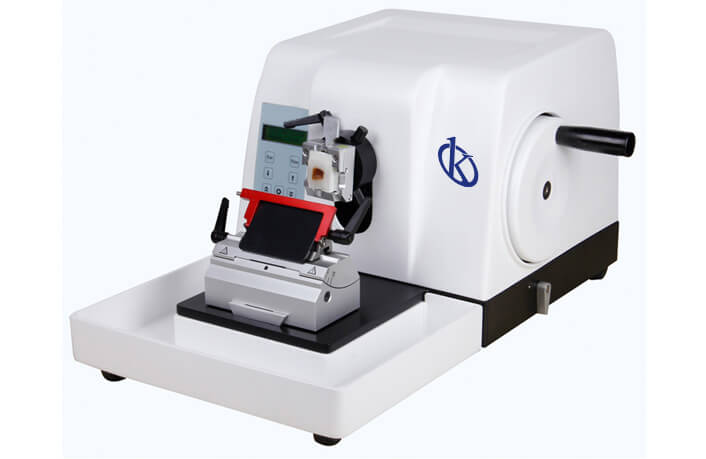
Understanding ISO/IEC Standards and Regulatory Compliance in Microtome Series
Microtomes are essential tools in pathological anatomy, widely used in histology and histopathology laboratories. As laboratories strive to meet quality assurance requirements, understanding ISO/IEC standards becomes critical for ensuring compliance and optimizing performance. This article explores various models within the Microtome Series, analyzing their specifications in relation to key ISO/IEC standards and compliance requirements.
ISO/IEC Standards in Laboratory Compliance
ISO (International Organization for Standardization) and IEC (International Electrotechnical Commission) set forth numerous standards that laboratories must adhere to. Key standards include ISO 17025, which pertains to the competence of testing and calibration laboratories, and ISO 15189, focused on quality management in medical laboratories. Compliance with these standards not only ensures high-quality results but also enhances the credibility of laboratory operations.
ISO 17025: Requirements for Microtome Use
ISO 17025 establishes the requirements for laboratory management systems, emphasizing the need for validated methods and traceability of results. Microtomes play a vital role in sample preparation, and using models like the Semi-automatic rotary microtome YR416, which offers precise slicing capabilities, significantly contributes to producing accurate results.
ISO 15189: Impact on Histopathology Labs
ISO 15189 outlines specific criteria for medical laboratories, including staff qualifications and quality assurance protocols. By implementing models such as the Microtome Handbook YR417, which provides high-quality sectioning essential for diagnostic processes, laboratories can enhance their compliance with this standard, ensuring reliable results for patient care.
Comparison of Available Models
| Model | ISO/IEC Clauses Covered | Traceability Features | Best For |
|---|---|---|---|
| YR417-1 | ISO 17025 | Precision slicing | Routine sectioning tasks |
| YR416 | ISO 15189 | High accuracy | Versatile use in medical settings |
| YR417 | ISO 17025 | Quality reproducibility | Research and quality assurance |
| YR420 | IEC 61010 | High precision | Histological applications |
| YR421 | ISO 17025 | Versatile operation | General laboratory use |
| YR422 | IEC 61010 | Safe operation | High-throughput labs |
Documentation and Record Keeping
Effective documentation is crucial for maintaining compliance with ISO/IEC standards. Laboratories must develop comprehensive records detailing equipment calibration, maintenance schedules, and training logs. Using models like the Microtome Handbook YR420 ensures that the equipment's performance is documented thoroughly, aiding in audits and compliance checks.
Audit Checklists for Compliance
Regular audits are fundamental for verifying adherence to ISO/IEC standards. Laboratories can implement checklists that cover areas such as operational procedures, equipment maintenance, and staff training. By ensuring robust compliance checklists, laboratories can prevent non-conformance issues and maintain high standards of performance.
Common Mistakes and How to Avoid Them
One of the most frequent mistakes in laboratory compliance is inadequate training of personnel. Ensuring all operators are thoroughly trained on models like the Semi-automatic rotary microtome YR416 is essential for optimal use and compliance. Additionally, neglecting regular calibration of microtomes can lead to inaccuracies, highlighting the importance of rigorous documentation and adherence to maintenance schedules.
Frequently Asked Questions
What are the key ISO 17025 compliance requirements for microtomes?
ISO 17025 requires that microtomes, such as the Semi-automatic rotary microtome YR416, operate under validated procedures, ensuring traceability and reproducibility. This standard emphasizes quality management systems, affecting how laboratories manage their equipment and processes.
How does ISO 15189 influence microtome selection in medical labs?
ISO 15189 affects the selection of microtomes by requiring models like the Microtome Handbook YR417 be reliable and capable of producing high-quality sections essential for accurate diagnostics in medical laboratories.
Which microtome models align with IEC 61010 safety standards?
The Microtome Handbook YR420 and YR422 are designed with safety features that comply with IEC 61010, ensuring safe operation and minimizing risks associated with laboratory equipment handling.
How can I ensure proper calibration of my microtome?
To ensure proper calibration, labs should follow a stringent schedule and use models like the Semi-automatic rotary microtome YR416, which allows for easy adjustments and precise calibrations, enhancing compliance with applicable standards.
What documentation is required for microtome ISO compliance?
Documentation for ISO compliance includes maintenance records, calibration logs, and training records for operators using models like the Microtome Handbook YR417. This comprehensive approach supports regulatory compliance and operational efficiency.
Why is traceability important in microtome operations?
Traceability is vital in microtome operations to ensure that all procedures and results can be linked back to validated standards, like those required by ISO 17025. Models such as the YR421 enhance traceability through precise operational features.
How do I select a microtome for histopathology labs?
Selecting a microtome for histopathology involves considering models that meet compliance with ISO 15189, such as the Microtome Handbook YR417, which is designed for high-quality sectioning crucial in diagnostic processes.
What are the advantages of using ISO-compliant microtome models?
Using ISO-compliant microtome models, like the YR420, ensures that laboratories maintain high-quality standards, meet regulatory requirements, and improve their operational efficiency by producing reliable and reproducible results.
If you are looking for a fusion of innovation and quality, you have come to the right place. At Kalstein, we offer you the luxury of exploring our exclusive catalog of laboratory equipment. We manufacture every device to the highest standards of excellence. Our intuitive and seamless online purchasing channels are designed for your convenience, securing the most competitive prices. Hesitate no longer — we bring science to life, it is time to become part of our community.