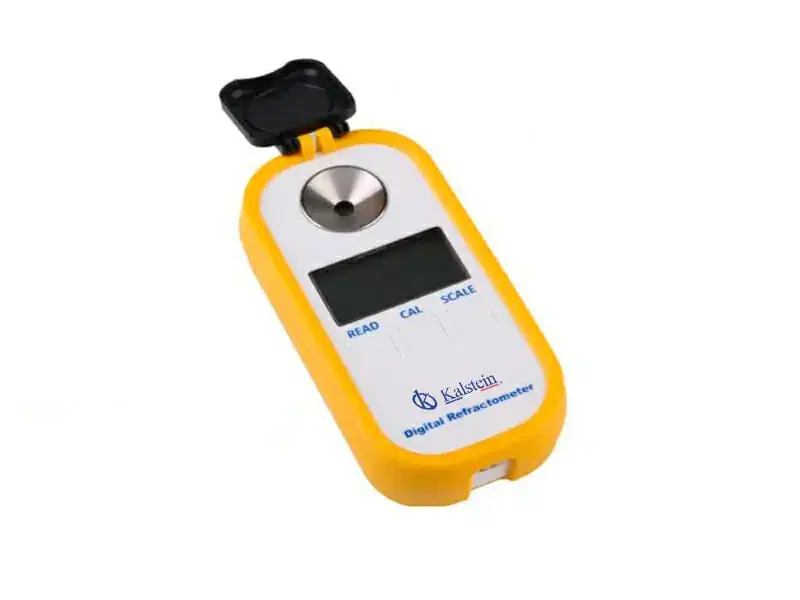
Understanding ISO/IEC Standards and Regulatory Compliance in Digital Salinity Refractometers
In laboratory settings, the accuracy and reliability of measurement instruments are paramount. Digital salinity refractometers are essential tools used to determine the salinity of various solutions, such as sodium chloride and seawater. However, as laboratories aim for excellence and credibility, adherence to ISO/IEC standards and regulations becomes crucial. This article delves into the importance of these standards in relation to digital salinity refractometers, highlighting how compliance can enhance laboratory outcomes.
ISO/IEC Standards Overview for Laboratories
The International Organization for Standardization (ISO) and the International Electrotechnical Commission (IEC) set forth a framework of standards that ensure quality, safety, and efficiency in laboratory operations. For laboratories utilizing digital salinity refractometers, key standards include:
- ISO 17025: This standard outlines the requirements for testing and calibration laboratories, ensuring they are competent and produce valid results.
- ISO 15189: Specifically for medical laboratories, this standard sets the criteria for quality and competence, ensuring that measurements are accurate and reliable.
- IEC 61010: This standard focuses on the safety requirements for electrical equipment used in measurement, control, and laboratory environments.
How ISO 17025 Influences the Use of Digital Salinity Refractometers
ISO 17025 is a vital standard for laboratories that require testing and calibration processes to be reliable. Digital salinity refractometers must comply with this standard to ensure that their measurements meet accuracy and precision requirements. Calibration procedures need to be documented, and regular checks must be performed to sustain accuracy, especially for models like the YR05953, which provides automatic temperature compensation (ATC) for reliable readings.
Audit Checklists for Compliance with ISO Standards
To maintain compliance with ISO standards, laboratories should create comprehensive audit checklists. These checklists can include items such as:
- Verification of calibration certificates for digital salinity refractometers like the YR05954.
- Documentation of maintenance procedures and records.
- Training records for personnel operating the equipment.
Traceability and Documentation Requirements
Traceability is essential in laboratory operations. For digital salinity refractometers, this means that results must be traceable to national or international standards. Documentation must include calibration records, maintenance logs, and training qualifications of personnel involved in the measuring process.
Comparison of Available Models
| Model | Measurement Range | Minimum Division | Accuracy | ATC | Best For |
|---|---|---|---|---|---|
| YR05953 | 0.0–28.0% | 0.10% | ±0.1% | Yes | General salinity measurement |
| YR05954 | 0–280‰ | 1‰ | ±1‰ | Yes | High concentration salinity |
| YR05955 | 1.000-1.217 | 0.001 | ±0.002 | Yes | Densities |
| YR05956 | 1.3330–1.3900 nD | 0.0001 nD | ±0.0003 nD | Yes | Refractive index |
| YR05957 | 0–100‰ | 1‰ | ±2‰ | Yes | Lower concentration salinity |
| YR05958 | 0–57‰ | 1‰ | ±2‰ | Yes | Clarity measurement |
| YR05959 | 1.000-1.070 | 0.001 | ±0.002 | Yes | Densities |
| YR05960 | 1.3330–1.3530 nD | 0.0001 nD | ±0.0003 nD | Yes | Refractive index |
Common Mistakes and How to Avoid Them
In laboratory settings, inaccuracies often arise from improper calibration and maintenance of measurement instruments. Some common mistakes to avoid include:
- Neglecting regular calibration of devices like the YR05958, which can lead to unreliable results.
- Failing to document calibration and maintenance activities, which is critical for compliance with ISO standards.
- Using improper sample sizes which can affect the accuracy of readings.
Frequently Asked Questions
What are the key benefits of using ISO 17025 compliant digital salinity refractometers?
ISO 17025 compliant digital salinity refractometers, such as the YR05953, ensure accurate and reliable measurement results, which are crucial in laboratory settings. Compliance with this standard enhances the credibility of test results and meets regulatory requirements, providing labs with confidence in their measurements.
How can I ensure my digital salinity refractometer meets ISO 15189 standards?
To ensure compliance with ISO 15189, labs should implement regular maintenance and calibration protocols for their digital salinity refractometers, such as the YR05954. Documentation of these procedures and training for personnel are essential for maintaining high standards of quality and accuracy in medical laboratories.
Which IEC standards should be considered for my laboratory's digital salinity refractometers?
IEC 61010 is a critical standard to consider for laboratories using digital salinity refractometers like the YR05955. This standard ensures the safety of electrical equipment used in measurement, which is necessary for protecting laboratory personnel and equipment.
What factors affect the accuracy of readings from digital salinity refractometers?
Factors such as temperature variations, calibration status, and sample size can significantly affect the accuracy of readings from digital salinity refractometers like the YR05956. Implementing automatic temperature compensation (ATC) can help mitigate temperature-related inaccuracies.
How often should my digital salinity refractometer be calibrated for compliance?
Calibration frequency for digital salinity refractometers, such as the YR05957, often depends on usage but should generally occur at least once a month or after significant changes in environmental conditions to ensure compliance and accuracy.
What are the traceability requirements for laboratory testing with digital salinity refractometers?
Traceability for digital salinity refractometers like the YR05958 requires that measurements be linked to recognized standards. Calibration records must be maintained, and devices need to undergo regular audits to ensure compliance with ISO standards.
How can digital salinity refractometers improve laboratory workflow efficiency?
Digital salinity refractometers, such as the YR05959, improve laboratory workflow efficiency by providing quick and accurate results, reducing the time spent on manual calculations. Their digital displays facilitate easy reading, allowing for faster decision-making in laboratory processes.
What training is required for operating digital salinity refractometers in compliance with ISO standards?
Personnel operating digital salinity refractometers like the YR05960 should receive comprehensive training on proper usage, calibration techniques, and documentation practices to comply with ISO standards, ensuring accurate and reliable laboratory results.
If you are looking for a fusion of innovation and quality, you have come to the right place. At Kalstein, we offer you the luxury of exploring our exclusive catalog of laboratory equipment. We manufacture every device to the highest standards of excellence. Our intuitive and seamless online purchasing channels are designed for your convenience, securing the most competitive prices. Hesitate no longer — we bring science to life, it is time to become part of our community.