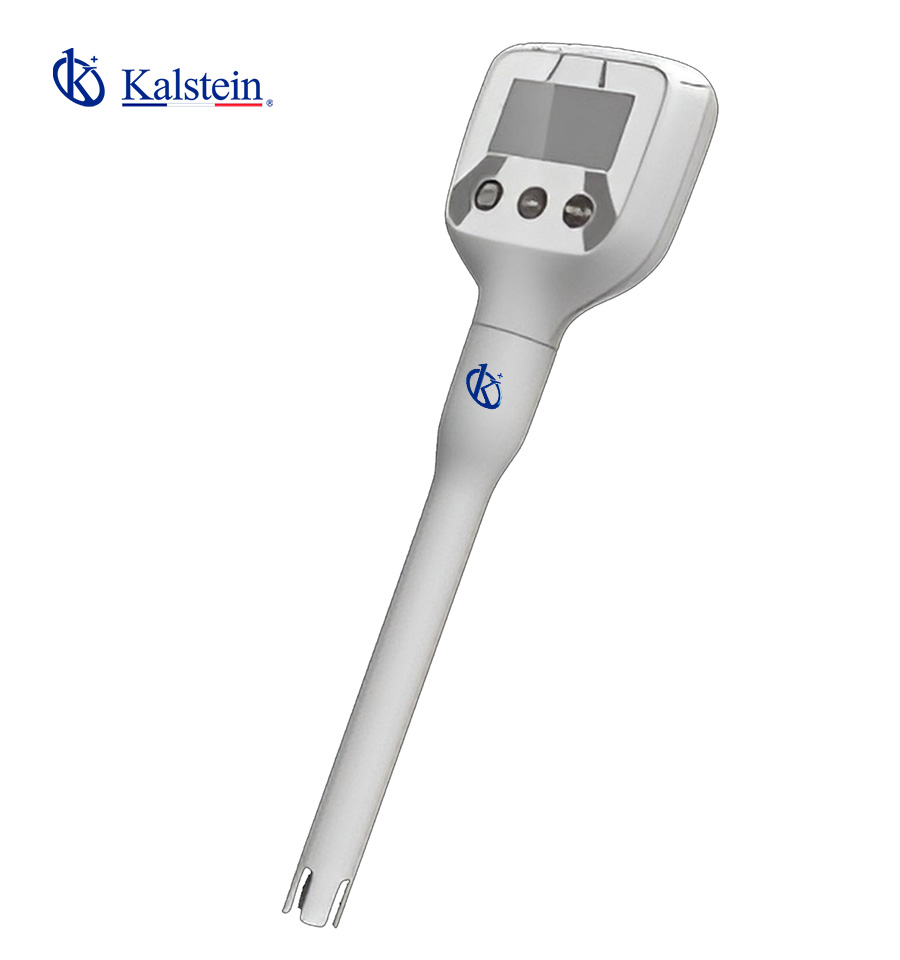
ISO/IEC Standards and Regulatory Compliance: A Guide for Portable Conductivity Meters
Portable conductivity meters are essential tools in laboratories for measuring the conductivity of liquids and solutions. Compliance with ISO/IEC standards is critical to ensure accuracy, reliability, and safety in measurements. This guide aims to explore the necessary standards and regulations that govern portable conductivity meters, evaluate various models available in the market, and provide practical insights for laboratory professionals to maintain compliance.
Understanding ISO/IEC Standards Relevant to Portable Conductivity Meters
The ISO/IEC standards play a pivotal role in ensuring that portable conductivity meters meet specific requirements for performance, safety, and reliability. Key standards include:
- ISO 17025: This standard specifies the general requirements for the competence of testing and calibration laboratories.
- IEC 61010: This standard focuses on the safety requirements for electrical equipment used in measurement, control, and laboratory processes.
- ISO 15189: This standard specifies the requirements for quality and competence in medical laboratories, applicable to portable conductivity meters used in healthcare settings.
Adhering to these standards ensures that the portable conductivity meters deliver accurate results, comply with regulatory requirements, and maintain high-quality operational standards.
Comparison of Available Models
| Model | ISO/IEC Clauses Covered | Traceability Features | Best For |
|---|---|---|---|
| YR01805 | ISO 17025 | Automatic calibration | Field measurements |
| YR01806 | IEC 61010 | Data storage and retrieval | Laboratory use |
| YR01808 | ISO 15189 | Multi-point calibration | Medical applications |
| YR01809 | ISO 17025 | Temperature compensation | General laboratory use |
| YR01810 | IEC 61010 | Automatic shut-off | Fieldwork |
| YR01811 | ISO 15189 | Simple calibration | Budget-conscious labs |
Key Considerations for Regulatory Compliance
When selecting portable conductivity meters, laboratory professionals must consider several factors to ensure compliance with ISO/IEC standards:
- Calibration: Regular calibration against traceable standards is essential to comply with ISO 17025.
- Documentation: Maintaining accurate records of calibration and maintenance activities ensures traceability and compliance.
- Quality Assurance: Implementing a quality management system per ISO 15189 can enhance compliance and operational efficiency.
Each of the models discussed, such as the YR01806, offers features that enhance compliance with these standards while providing reliable measurement capabilities.
Common Mistakes and How to Avoid Them
Laboratory professionals often face challenges in ensuring compliance with ISO/IEC standards for portable conductivity meters. Common mistakes include:
- Neglecting Calibration: Failing to calibrate devices regularly can lead to unreliable measurements. Maintain a strict calibration schedule for models like YR01809.
- Inadequate Documentation: Not keeping thorough records can jeopardize compliance. Use monitoring systems to ensure documentation of all calibration and testing activities.
- Using Non-Compliant Equipment: Ensure that all portable conductivity meters, such as the YR01805, are compliant with the necessary safety standards.
The Role of Calibration in Compliance
Calibration is a cornerstone in maintaining ISO compliance for portable conductivity meters. Regular calibration not only ensures accuracy but also enhances the credibility of laboratory results. Models like YR01808 support multi-point calibration, which is crucial for meeting ISO 17025 requirements.
Setting a calibration schedule and employing traceable standards ensures that measurements remain reliable and compliant with industry regulations. Failure to calibrate can result in significant deviations, leading to possible regulatory breaches.
Traceability and Its Importance in Laboratories
Traceability is a vital requirement in laboratory settings, especially regarding ISO/IEC compliance. It guarantees that measurements can be verified against national or international standards. Portable conductivity meters such as the YR01806 have strong data storage capabilities that enhance traceability through easy access to calibration records.
Ensuring that every measurement is traceable allows laboratories to maintain compliance with regulatory standards and ensures the integrity of their results. Implementing a robust traceability framework is essential for any lab aiming for ISO certification.
Ensuring Safety Compliance with IEC Standards
Safety is paramount when operating portable conductivity meters. Compliance with IEC 61010 not only protects laboratory personnel but also ensures the reliability of the measurements taken. Devices like YR01810 are designed with safety features such as automatic shut-off to prevent malfunctions.
Laboratories must conduct regular safety audits to ensure that all equipment complies with safety standards and best practices. This includes ensuring proper use, maintenance, and storage of portable conductivity meters to mitigate risks.
Frequently Asked Questions
What are the ISO/IEC standards applicable to portable conductivity meters?
The applicable ISO/IEC standards include ISO 17025, which outlines the general requirements for testing and calibration laboratories, and IEC 61010, which specifies safety requirements for electrical measuring equipment. Models like YR01805 are designed to comply with these standards, ensuring reliable performance in laboratory settings.
How can I ensure my portable conductivity meter meets ISO 17025 requirements?
To ensure your portable conductivity meter, such as the YR01809, meets ISO 17025 requirements, establish a regular calibration schedule against traceable standards. Additionally, maintain accurate documentation of all calibration activities to demonstrate compliance during audits.
What features should I look for in a portable conductivity meter for regulatory compliance?
When selecting a portable conductivity meter for regulatory compliance, look for features such as automatic calibration, data storage capabilities, and compliance with ISO/IEC standards. For instance, the YR01806 offers comprehensive data management that assists in adhering to regulatory requirements.
Which portable conductivity meter is best for medical laboratory applications?
The YR01808 model is ideal for medical applications due to its compliance with ISO 15189 standards, offering features like multi-point calibration and temperature compensation, which are crucial for maintaining regulatory compliance in healthcare settings.
How can traceability be maintained in the use of portable conductivity meters?
Traceability can be maintained by ensuring that each measurement taken with portable conductivity meters, such as the YR01810, is documented and verified against national or international standards. Implementing a digital record-keeping system can enhance compliance and traceability.
What are the safety features to consider in portable conductivity meters?
When selecting portable conductivity meters, consider features like automatic shut-off, IP ratings for water and dust resistance, and compliance with IEC standards. The YR01805 model includes robust safety features, ensuring safe operation in various environments.
How often should I calibrate my portable conductivity meter?
Calibration frequency depends on usage but should generally occur at least once every six months for portable conductivity meters like the YR01809. For high-use environments, monthly calibration may be required to maintain compliance with ISO 17025 requirements.
What are the consequences of non-compliance with ISO/IEC standards in laboratories?
Non-compliance with ISO/IEC standards can lead to inaccurate measurements, potential safety hazards, and legal repercussions. Ensuring compliance with portable conductivity meters like the YR01806 can prevent these issues by maintaining quality and reliability in laboratory results.
If you are looking for a fusion of innovation and quality, you have come to the right place. At Kalstein, we offer you the luxury of exploring our exclusive catalog of laboratory equipment. We manufacture every device to the highest standards of excellence. Our intuitive and seamless online purchasing channels are designed for your convenience, securing the most competitive prices. Hesitate no longer — we bring science to life, it is time to become part of our community.