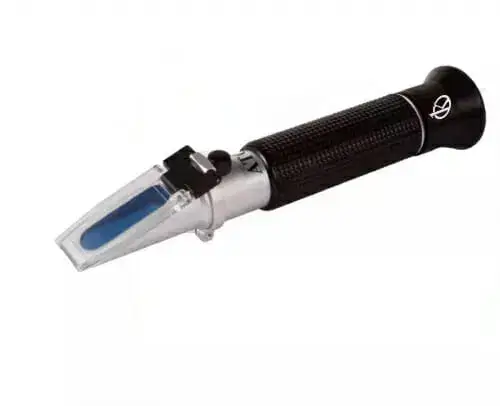
How to Ensure ISO/IEC Compliance in Laboratory Use of Wine Refractometers?
In the laboratory world, compliance with ISO/IEC standards is crucial for ensuring the quality and reliability of measurements. This is particularly relevant when utilizing wine refractometers, which are essential tools for determining the sugar content and alcohol levels in wine production. Understanding how each model aligns with these standards can significantly enhance laboratory processes.
Understanding ISO/IEC Standards Relevant to Wine Refractometers
ISO/IEC standards provide a framework for quality assurance in laboratories. Specifically, ISO 17025 outlines the requirements for testing and calibration laboratories to demonstrate they operate competently and generate valid results. This standard focuses on several key areas, including management requirements, technical requirements, and the importance of continual improvement.
Key ISO/IEC standards relevant to the use of wine refractometers include:
- ISO 17025: Ensures laboratories are competent in measurement and testing.
- ISO 15189: Specific to medical laboratories but applicable in terms of laboratory management and quality.
- IEC 61010: Pertains to safety requirements for electrical equipment used in laboratories.
Model Comparison for ISO/IEC Compliance
When selecting a wine refractometer, it's important to consider how each model meets ISO/IEC compliance. The following comparison highlights the relevant features of different models:
| Model | ISO/IEC Clauses Covered | Traceability Features | Best For |
|---|---|---|---|
| YR05931 | ISO 17025 | Manual calibration traceable to national standards | Basic wine analysis |
| YR05932 | ISO 17025 | Built-in auto calibration feature | Intermediate wine analysis |
| YR05933 | ISO 17025, IEC 61010 | Regular software updates for traceability | Advanced wine analysis |
| YR05934 | ISO 17025 | Manual calibration with temperature compensation | Standardized wine testing |
| YR05935 | ISO 17025 | Auto adjustment for environmental factors | Field testing |
| YR05936 | ISO 17025, IEC 61010 | Full traceability to laboratory standards | Laboratory settings |
Key Documentation for Compliance
To meet ISO/IEC standards, proper documentation is essential. This includes:
- Calibration certificates for each instrument used.
- Standard operating procedures (SOPs) for the use of refractometers.
- Records of training for laboratory personnel.
- Audit trails for quality assurance.
Common Mistakes and How to Avoid Them
Laboratories often face challenges in achieving compliance. Here are some common mistakes:
- Neglecting Regular Calibration: Ensure that all refractometers are calibrated regularly according to the manufacturer’s instructions to maintain compliance.
- Lack of Staff Training: Proper training must be provided to all personnel using the refractometers to ensure they understand the compliance requirements.
- Inadequate Documentation: Maintain thorough documentation of testing procedures and results to support compliance audits.
Importance of Traceability in Measurements
Traceability is a key component of compliance with ISO/IEC standards. It involves the ability to trace the measurement results back to national or international standards. This process ensures that all measurements made using wine refractometers, such as the YR05932, can be verified and validated against recognized standards, providing confidence in the accuracy of results.
Calibration Requirements and Frequency
Calibration is essential for ensuring accuracy in measurements. The frequency of calibration for wine refractometers depends on various factors, including usage frequency and environmental conditions. Generally, the following schedule is recommended:
| Calibration Type | Frequency | Notes |
|---|---|---|
| Initial Calibration | Upon purchase | Ensure the device operates to specification |
| Routine Calibration | Monthly | Based on usage, may require more frequent checks |
| Post-Use Calibration | After critical measurements | Verify accuracy after significant use |
Frequently Asked Questions
How can I ensure my wine refractometer meets ISO 17025 compliance?
To ensure ISO 17025 compliance for your wine refractometer, such as the YR05932, it is essential to maintain proper documentation, regularly calibrate the device, and adhere to standardized operating procedures.
What are the calibration requirements for wine refractometers under IEC 61010?
Calibration for wine refractometers under IEC 61010, like the YR05936, requires regular checks against recognized standards, ensuring that all measurements are traceable and compliant with safety regulations.
Which model is best for ISO/IEC compliance in wine analysis?
The YR05933 model is highly recommended for ISO/IEC compliance as it includes advanced traceability features and meets both ISO 17025 and IEC 61010 standards, ensuring reliable results in wine analysis.
How often should I calibrate my refractometer for accurate results?
Calibration frequency can vary, but a monthly routine calibration is recommended for devices like the YR05931 to maintain accurate results in compliance with ISO/IEC standards.
What documentation is necessary for wine refractometer compliance?
Necessary documentation includes calibration certificates, standard operating procedures, and training records for staff using the refractometer, ensuring compliance with ISO 17025.
How does temperature affect the calibration of a wine refractometer?
Temperature can significantly affect calibration. Models like the YR05932 include automatic temperature compensation (ATC) features to ensure accuracy under varying environmental conditions, aligning with compliance standards.
What are the safety requirements for using wine refractometers in the lab?
Safety requirements under IEC 61010 for using wine refractometers, such as the YR05936, include proper electrical safety measures and ensuring the equipment is suitable for the laboratory environment.
Conclusion
In conclusion, achieving ISO/IEC compliance for wine refractometers is crucial for ensuring accurate and reliable measurements in the laboratory. By understanding the relevant standards, maintaining proper documentation, and selecting appropriate models, laboratories can enhance their operational effectiveness and meet regulatory requirements.
If you are looking for a fusion of innovation and quality, you have come to the right place. At Kalstein, we offer you the luxury of exploring our exclusive catalog of laboratory equipment. We manufacture every device to the highest standards of excellence. Our intuitive and seamless online purchasing channels are designed for your convenience, securing the most competitive prices. Hesitate no longer — we bring science to life, it is time to become part of our community.