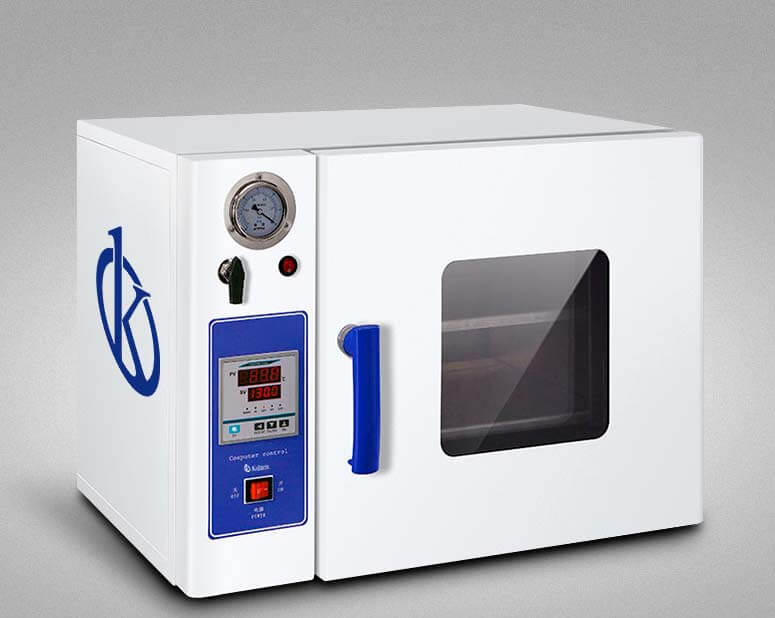
How to Ensure ISO/IEC Compliance with Vacuum Ovens in Laboratories
In the realm of laboratory operations, maintaining compliance with ISO/IEC standards is crucial for ensuring reliable results and upholding quality control. Vacuum ovens, particularly designed for applications in various scientific fields, play a pivotal role in meeting these regulatory requirements. This article delves into the significance of ISO/IEC compliance for vacuum ovens, examining specific standards that govern their use, and highlighting the advantages each model offers in supporting such compliance.
Understanding ISO/IEC Standards for Laboratory Equipment
The ISO/IEC 17025 standard outlines the requirements for laboratories to demonstrate their ability to produce valid and reliable results. This entails a comprehensive understanding of technical competence and quality management systems. Compliance with these standards not only ensures the reliability of test results but is often a prerequisite for accreditation.
Vacuum ovens must adhere to specific clauses within these standards, such as standard operating procedures (SOPs), traceability of measurements, and documentation systems. In this context, selecting the appropriate vacuum oven model is crucial for ensuring compliance across all laboratory operations.
ISO 17025 Compliance and Vacuum Ovens
ISO 17025 sets forth several key requirements applicable to vacuum ovens, including:
- Test Method Validation: Vacuum ovens must have validated methods for drying and sterilizing various materials.
- Traceability: The calibration of vacuum ovens should be traceable to national or international standards, ensuring measurement accuracy.
- Quality Assurance: Proper maintenance and monitoring of vacuum ovens are essential for consistent performance.
Each model listed below plays a role in achieving these compliance standards.
IEC 61010 and Safety Standards for Laboratory Ovens
IEC 61010 provides safety requirements for electrical equipment used in laboratory environments. Compliance with this standard ensures the safety of operators while using laboratory equipment.
For vacuum ovens, adherence to safety standards includes:
- Electrical Safety: Ensuring that ovens are equipped with appropriate protective devices to prevent electrical hazards.
- Operational Safety: Implementing safety features such as automatic shut-off systems and temperature control mechanisms.
The selected vacuum ovens must meet these safety criteria to align with IEC 61010.
Comparison of Available Models
| Model Code | ISO/IEC Clauses Covered | Traceability Features | Best For |
|---|---|---|---|
| YR05260-A | ISO 17025, IEC 61010 | Calibrated to national standards | Biochemical applications |
| YR05261-A | ISO 17025, IEC 61010 | Documented calibration history | Pharmaceutical applications |
| YR05262-SS | ISO 17025 | Traceable calibration certificates | Health care applications |
| YR05263-SS | ISO 17025, IEC 61010 | Annual calibration audits | Agricultural research |
| YR05264-A | ISO 17025 | Calibration logbooks | Environmental protection |
| YR05265-SS | ISO 17025, IEC 61010 | Comprehensive documentation | Complex material drying |
Common Mistakes and How to Avoid Them
Laboratory professionals often encounter several common mistakes when using vacuum ovens that may jeopardize compliance with ISO/IEC standards. Here are some pitfalls to avoid:
- Neglecting Calibration: Failing to regularly calibrate vacuum ovens can lead to inaccurate results. Establish a routine calibration schedule aligned with ISO 17025 standards.
- Improper Documentation: Lack of proper record-keeping can result in non-compliance. Ensure that all calibration and maintenance activities are documented in line with regulatory requirements.
- Inadequate Training: Ensure that all operators are adequately trained on the specific model they are using, especially regarding safety protocols.
Benefits of Using Vacuum Ovens for Compliance
Using vacuum ovens like the YR05260-A and YR05261-A not only facilitates compliance with ISO/IEC standards but also enhances operational efficiency. These ovens provide:
- Consistent Results: Reliable drying and sterilization of materials ensure quality results.
- Documented Procedures: Standardized procedures help maintain compliance and facilitate audits.
Energy Efficiency and Sustainability in Vacuum Ovens
In today's laboratory environment, energy efficiency is essential not only for compliance but also for sustainability. Vacuum ovens are designed with energy-saving features that contribute to reduced operation costs.
Implementing energy-efficient practices, such as regularly checking for leaks and ensuring proper maintenance can lead to significant savings. For instance, the YR05264-A model, with its advanced insulation, minimizes energy loss, resulting in lower energy consumption per drying cycle.
Frequently Asked Questions
How can vacuum ovens help ensure compliance with ISO 17025 standards?
Vacuum ovens like the YR05261-A provide validated drying methods and traceable calibration records, essential for meeting ISO 17025 compliance. Their design also includes safety features that align with IEC 61010 requirements, ensuring both results and operator safety.
What are the essential features to look for in a compliant vacuum oven?
When selecting a vacuum oven, look for models like the YR05262-SS that offer validated methods, extensive documentation, and robust calibration capabilities. These features are crucial for maintaining ISO/IEC compliance in laboratory settings.
Which vacuum oven model is best for pharmaceutical applications?
The YR05261-A model is particularly suitable for pharmaceutical applications due to its compliance with ISO 17025 and its documented calibration history, ensuring reliability in results and adherence to regulatory standards.
How often should I calibrate my vacuum oven to maintain compliance?
It is recommended to calibrate vacuum ovens like the YR05260-A at least annually to comply with ISO 17025 standards. Regular calibration ensures accuracy and reliability in lab results.
How can I document compliance activities for my vacuum ovens?
Keep thorough calibration records and maintenance logs for models like the YR05262-SS. This documentation is crucial for audits and demonstrating compliance with ISO/IEC standards.
What is the role of operator training in compliance with vacuum ovens?
Proper training for operators is critical to ensure the correct use of vacuum ovens like the YR05263-SS, which helps maintain safety standards and compliance with ISO/IEC regulations.
Are there specific energy standards for vacuum ovens in laboratories?
While energy standards are not explicitly defined for vacuum ovens, using energy-efficient models like the YR05264-A can contribute to sustainability efforts in laboratories while adhering to ISO/IEC compliance.
How can I integrate my vacuum oven with a LIMS for compliance tracking?
Integration with a Laboratory Information Management System (LIMS) can streamline compliance tracking for vacuum ovens like the YR05265-SS by automating data logging and reporting, ensuring adherence to ISO 17025 standards.
If you are looking for a fusion of innovation and quality, you have come to the right place. At Kalstein, we offer you the luxury of exploring our exclusive catalog of laboratory equipment. We manufacture every device to the highest standards of excellence. Our intuitive and seamless online purchasing channels are designed for your convenience, securing the most competitive prices. Hesitate no longer — we bring science to life, it is time to become part of our community.