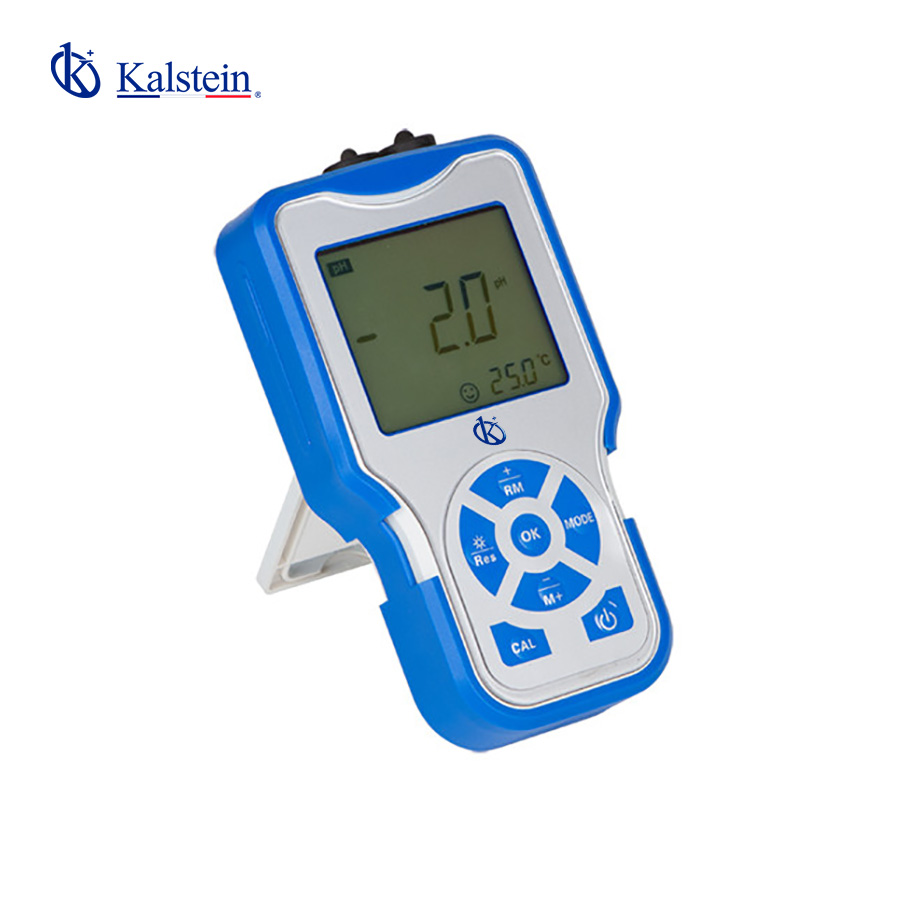
Ensuring Compliance with ISO/IEC Standards Using Portable Ion Meters
In the rapidly evolving landscape of laboratory standards, compliance with ISO/IEC regulations has become a critical focal point for laboratory professionals. Portable ion meters play a vital role in facilitating this compliance by offering accurate and reliable measurements necessary for various analytical applications. This article explores how portable ion meters align with ISO/IEC standards, the key specifications of various models, and a comparison of their functionalities in meeting regulatory requirements.
Understanding ISO/IEC Regulatory Frameworks
ISO/IEC standards provide comprehensive guidelines for quality management and technical specifications across laboratories globally. Compliance with these standards is essential for ensuring trust and reliability in laboratory results. Key standards relevant to portable ion meters include ISO 17025, which addresses testing and calibration laboratories, and IEC 61010, focused on safety requirements for electrical equipment.
ISO 17025 Compliance
ISO 17025 outlines the requirements for laboratories to demonstrate their ability to produce valid and reliable results. Portable ion meters like the YR01816 and YR01817 series allow for precise calibration and measurement that adhere to these standards, ensuring laboratories can maintain accuracy within permissible limits. Regular calibration and validation of these devices are crucial for compliance.
IEC 61010 Safety Standards
IEC 61010 emphasizes safety in laboratory environments when using electrical equipment. Portable ion meters must comply with these safety requirements, which is crucial for reducing risks during operation. Models such as the YR01817-1 and YR01817-12 are designed to meet these safety standards, ensuring laboratory personnel can operate them without risk.
Key Documents and Auditing for Compliance
Documentation plays a significant role in maintaining compliance with ISO/IEC standards. Laboratories must keep thorough records of calibration results, maintenance logs, and performance evaluations. Audit checklists are essential tools for ensuring all aspects of compliance are verified regularly. Portable ion meters should feature built-in data logging capabilities to streamline this documentation process, facilitating easy access during audits.
Essential Documents for Compliance
- Calibration Certificates
- Maintenance Logs
- Performance Verification Reports
Comparison of Available Models
| Model | ISO/IEC Clauses Covered | Traceability Features | Best For |
|---|---|---|---|
| YR01816 | ISO 17025 | 2-5 Point Calibration | Multi-parameter Measurements |
| YR01817-1 | IEC 61010 | Automatic Electrode Diagnostics | Outdoor Applications |
| YR01817-10 | ISO 17025 | Multiple Calibration Solutions | Field Deployments |
| YR01817-12 | IEC 61010 | Data Logging | Professional Use |
Common Mistakes and How to Avoid Them
While using portable ion meters, laboratories often encounter common pitfalls that can compromise compliance and accuracy. One such mistake is inadequate calibration frequency. Laboratories should institute a regular calibration schedule to ensure that all devices remain within the permissible accuracy thresholds defined by ISO/IEC standards.
Importance of Adequate Training
Another common issue arises from insufficient operator training. Laboratory personnel must be trained in using portable ion meters effectively, understanding the implications of calibration and validation on compliance. This training should also cover the specific features of models like YR01817-1 and YR01817-13, which are equipped with advanced diagnostics for enhanced usability.
Calibrating Portable Ion Meters for Compliance
Calibration is essential for maintaining the integrity of measurements taken by portable ion meters. Laboratories must implement a calibration protocol that aligns with ISO 17025 requirements, ensuring all measurements are traceable to recognized standards.
Calibration Protocol Examples
- Regularly scheduled calibrations (monthly or quarterly)
- Use of certified reference materials
- Documentation of all calibration activities
Best Practices for Compliance with Portable Ion Meters
To achieve and maintain compliance with ISO/IEC standards, laboratories should adopt best practices tailored to the use of portable ion meters. This includes establishing a robust quality management system, ensuring all measurements are documented, and conducting regular equipment checks.
Quality Management System Elements
- Standard operating procedures (SOPs)
- Regular internal audits
- Continuous staff training and competency assessments
Frequently Asked Questions
How do portable ion meters ensure compliance with ISO 17025 standards?
Portable ion meters like the YR01816 are equipped with features that support ISO 17025 compliance, including precise calibration options. By following a structured calibration protocol and maintaining documentation, laboratories can ensure their measurements meet ISO standards.
What are the key features of portable ion meters that help with IEC 61010 compliance?
Models such as the YR01817-1 adhere to IEC 61010 standards by incorporating safety features like automatic diagnostics and user-friendly designs. These ensure that the equipment is safe for operation in laboratory environments.
Which portable ion meter is best for outdoor use while ensuring compliance?
The YR01817-1 model is specifically designed for outdoor applications and complies with IEC 61010 standards. Its robust design and high accuracy make it well-suited for field use while ensuring regulatory compliance.
How often should portable ion meters be calibrated for regulatory compliance?
For compliance with ISO 17025, portable ion meters should typically be calibrated monthly or quarterly, depending on usage frequency. Regular calibration helps maintain accuracy, as seen with models like YR01816.
What documentation is required for compliance with ISO/IEC standards?
Documentation for compliance includes calibration certificates, maintenance logs, and performance verification reports. Using models like the YR01817 series, which feature data logging, can streamline this documentation process.
How do I choose a portable ion meter for my laboratory's compliance needs?
When selecting a portable ion meter, consider models that cover relevant ISO/IEC clauses and offer features such as multiple calibration points and automatic diagnostics, like the YR01817-12. These features can significantly enhance compliance efforts.
What role does operator training play in compliance with portable ion meters?
Operator training is crucial for ensuring that users are competent in using portable ion meters effectively, particularly with calibration and validation processes. Training programs should cover specific models, such as YR01817-1, to improve accuracy and compliance.
How does calibration impact the performance of portable ion meters?
Calibration directly impacts the performance and accuracy of portable ion meters. Models like the YR01816 demonstrate the importance of proper calibration, as their performance is validated through regular checks, ensuring compliance with relevant standards.
If you are looking for a fusion of innovation and quality, you have come to the right place. At Kalstein, we offer you the luxury of exploring our exclusive catalog of laboratory equipment. We manufacture every device to the highest standards of excellence. Our intuitive and seamless online purchasing channels are designed for your convenience, securing the most competitive prices. Hesitate no longer — we bring science to life, it is time to become part of our community.