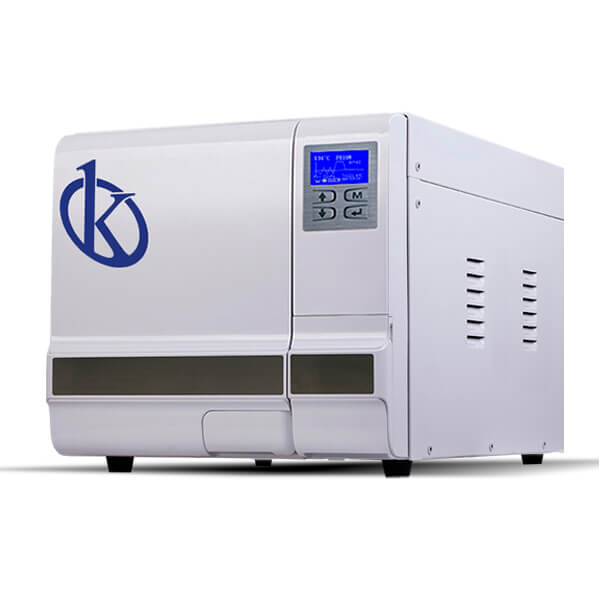
How to Ensure ISO/IEC Compliance with Horizontal Autoclaves in the Laboratory
In the realm of laboratory operations, adhering to ISO/IEC standards is not just a regulatory requirement; it is a commitment to quality and safety. Horizontal autoclaves, vital tools for sterilization, play a significant role in achieving compliance with these standards. This article delves into the essential aspects of ISO/IEC compliance, highlighting how different autoclave models can aid laboratories in meeting these crucial requirements.
Understanding ISO/IEC Standards Relevant to Laboratories
ISO/IEC standards provide a framework for quality assurance, testing, and safety in laboratories. Key standards include:
- ISO 17025: Focuses on the competence of testing and calibration laboratories.
- ISO 15189: Specifies requirements for quality and competence in medical laboratories.
- IEC 61010: Covers safety requirements for electrical equipment used in measurement, control, and laboratory use.
These standards emphasize the importance of accurate sterilization processes, traceability, and documentation, which horizontal autoclaves must effectively support.
Regulatory Compliance: The Role of Horizontal Autoclaves
Horizontal autoclaves are designed to ensure thorough sterilization of equipment and materials, meeting the stringent requirements outlined in ISO/IEC standards. By employing pre-vacuum and multi-phase sterilization methods, they achieve optimal results, significantly reducing contamination risks.
Key Features of Horizontal Autoclaves that Facilitate Compliance
To align with ISO/IEC standards, select horizontal autoclaves must possess the following features:
- Accurate Temperature and Pressure Control: Ensures proper sterilization cycles.
- Documentation Capabilities: Automatic logging of cycles for traceability.
- Safety Mechanisms: Alarms and safety locks to prevent accidents.
These features not only enhance sterilization efficacy but also support compliance audits and inspections.
Comparison of Available Models
| Model | ISO/IEC Clauses Covered | Traceability Features | Best For |
|---|---|---|---|
| YR03387 | ISO 17025 | Cycle logging, data export | Small clinics, tattoo businesses |
| YR03388 | ISO 15189 | Real-time monitoring | Beauty salons, podiatry clinics |
| YR03389 | IEC 61010 | Built-in alarms | Veterinary practices |
| YR03390 | ISO 17025 | Cycle history reports | Research laboratories |
| YR03385C | ISO 15189 | Data backup options | Medical laboratories |
| YR03385B | IEC 61010 | Safety audits | Large-scale operations |
Common Mistakes and How to Avoid Them
While striving for ISO/IEC compliance, laboratories often encounter pitfalls that can lead to non-compliance. Here are common mistakes to avoid:
- Neglecting Documentation: Failing to maintain accurate sterilization logs can lead to compliance issues.
- Inadequate Training: Staff must be trained in using autoclaves and understanding compliance requirements.
- Overlooking Maintenance: Regular maintenance is essential for ensuring equipment reliability and performance.
By implementing robust documentation practices and regular training programs, laboratories can enhance their compliance efforts.
How Different Models Support Compliance with ISO/IEC Standards
Each horizontal autoclave model offers unique features that facilitate adherence to ISO/IEC standards:
- YR03387: Compact design suitable for small setups; helps in meeting ISO 17025 through easy cycle logging.
- YR03388: Excellent for beauty salons, ensures compliance with ISO 15189 through real-time monitoring.
- YR03389: Offers advanced safety features recognized by IEC 61010, ensuring operator protection.
- YR03390: Suited for research laboratories, provides detailed cycle history reports essential for ISO 17025 compliance.
- YR03385C: Ideal for medical labs, it meets ISO 15189 standards by offering comprehensive data backup options.
- YR03385B: Best for larger operations, ensuring compliance with IEC 61010 through built-in safety audits.
Frequently Asked Questions
What are the benefits of using Class B table autoclaves for ISO compliance?
Class B table autoclaves like the YR03387 provide pre-vacuum and multi-phase sterilization that meets stringent ISO standards. Their automated logging features streamline compliance with ISO 17025, offering precise control over sterilization processes and traceability of results.
How can I optimize the use of horizontal autoclaves for regulatory compliance?
To optimize horizontal autoclaves for regulatory compliance, ensure regular training for staff and maintain detailed logs of sterilization cycles. The YR03389 model's real-time monitoring capabilities enhance compliance with IEC 61010 and help track performance metrics effectively.
Which features should I prioritize in a horizontal autoclave for ISO 17025 compliance?
Prioritize accurate temperature control, comprehensive documentation capabilities, and safety mechanisms in a horizontal autoclave for ISO 17025 compliance. The YR03390 model excels in these areas with its detailed cycle history reports and safety features.
What are the common challenges faced during ISO compliance in laboratories?
Common challenges during ISO compliance include improper documentation, lack of staff training, and insufficient equipment maintenance. Implementing regular training and utilizing user-friendly models like YR03388 can significantly mitigate these issues.
How often should I conduct maintenance on my autoclave to ensure compliance?
Autoclaves should undergo maintenance at least once every six months or as per the manufacturer's guidelines to ensure compliance. Models like the YR03385C are designed for easy maintenance, supporting long-term operational efficiency and adherence to standards.
What is the cost of implementing an ISO 15189 compliant autoclave system?
The cost of implementing an ISO 15189 compliant autoclave system can vary based on model features. The YR03385B, priced at $2,800, includes advanced capabilities to support compliance with this standard, making it a valuable investment for medical laboratories.
How do horizontal autoclaves support traceability in laboratory settings?
Horizontal autoclaves support traceability through automated logging and cycle history reports. The YR03389 model ensures comprehensive documentation that facilitates traceability, essential for compliance with ISO 17025 and IEC 61010.
What type of training is necessary for effective use of horizontal autoclaves?
Training should include operational procedures, compliance requirements, and emergency protocols. Utilizing models like the YR03387, which are user-friendly and have clear operational guidelines, can simplify this training process for laboratory staff.
If you are looking for a fusion of innovation and quality, you have come to the right place. At Kalstein, we offer you the luxury of exploring our exclusive catalog of laboratory equipment. We manufacture every device to the highest standards of excellence. Our intuitive and seamless online purchasing channels are designed for your convenience, securing the most competitive prices. Hesitate no longer — we bring science to life, it is time to become part of our community.