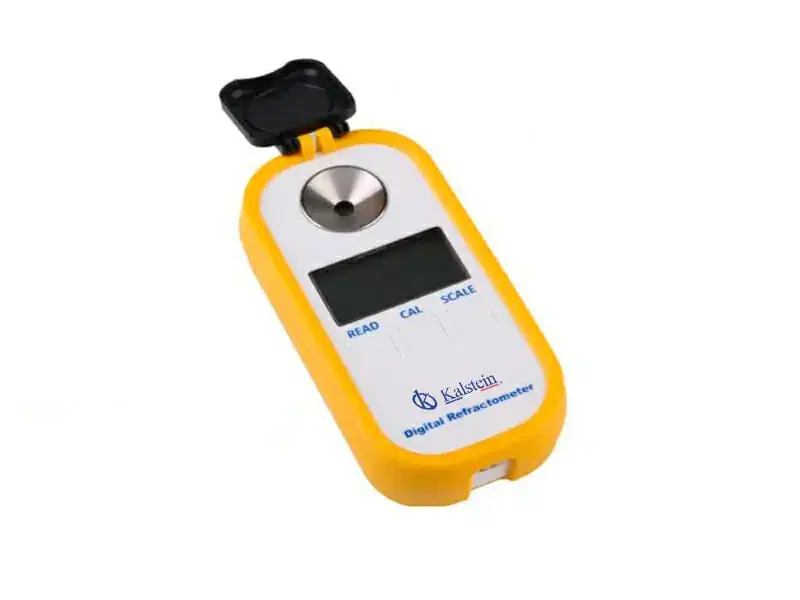
How to Ensure ISO/IEC Compliance with Digital BRIX+ Salinity Refractometers in the Laboratory
In the realm of laboratory testing, compliance with ISO/IEC standards is not just a regulatory requirement but a critical component of maintaining quality and reliability. Digital BRIX+ Salinity Refractometers are essential tools for laboratories that need to measure the concentration of soluble solids and salinity in various solutions. This article will delve into how these instruments assist in meeting ISO/IEC compliance, focusing on models available in this subcategory.
Understanding ISO/IEC Standards Relevant to Laboratories
ISO/IEC standards, such as ISO 17025 and ISO 15189, ensure laboratories operate competently and generate valid results. ISO 17025 specifies the general requirements for the competence of testing and calibration laboratories. Compliance with these standards not only enhances laboratory credibility but also ensures that results are accepted internationally. Digital BRIX+ Salinity Refractometers, such as the YR05961 and YR05962, can play a pivotal role in satisfying the measurement accuracy and traceability required by these standards.
Compliance Checklists for Digital BRIX+ Salinity Refractometers
To ensure compliance with ISO/IEC standards, laboratories should implement specific checklists tailored for the use of Digital BRIX+ Salinity Refractometers. These checklists may include the following:
- Calibration frequency and methods to ensure traceability
- Temperature control measures to maintain operation within specified ranges
- Documentation practices for recording measurements and maintaining data integrity
- Regular maintenance schedules for the equipment
Key Features of Digital BRIX+ Salinity Refractometers for Compliance
Digital BRIX+ Salinity Refractometers are designed with numerous features that facilitate compliance, including:
- Automatic Temperature Compensation (ATC): This feature ensures accurate readings across specified temperatures, typically between 0 and 40°C.
- Standardized Measurement Scales: Models like YR05961 provide standardized Brix and salinity scales, simplifying the measurement process.
- Precision and Accuracy: Most models offer high precision, with YR05961 providing ±0.2% accuracy, aligning with ISO requirements for measurement precision.
Comparison of Available Models
| Model | ISO/IEC Clauses Covered | Traceability Features | Best For |
|---|---|---|---|
| YR05961 | ISO 17025 | Calibration logs, ATC | Fruit juice testing |
| YR05962 | ISO 17025 | Calibration logs, ATC | Sea water analysis |
| YR05963 | ISO 15189 | Calibration logs, ATC | Laboratory environments |
| YR05964 | ISO 17025 | Calibration logs, ATC | Density measurement |
| YR05965 | ISO 15189 | Calibration logs, ATC | Refractive index testing |
Common Mistakes and How to Avoid Them
Laboratories often face challenges in achieving compliance due to common mistakes. Here are some pitfalls and tips to avoid them:
- Lack of Regular Calibration: Ensure that all refractometers are calibrated according to established schedules based on their usage.
- Ignoring Temperature Effects: Utilize models with ATC to mitigate temperature-related inaccuracies.
- Inadequate Documentation: Maintain thorough logs of measurements and calibrations to support compliance efforts.
Understanding Calibration and Maintenance for Compliance
Calibration is crucial for ensuring the accuracy of digital refractometers. Regular maintenance not only extends the equipment's life but also ensures consistent compliance with ISO standards. Laboratories should establish a calibration frequency based on usage and regulatory requirements. For instance, a laboratory with a high throughput might need to calibrate its YR05961 model weekly.
Traceability in Measurement: Importance and Implementation
Traceability ensures that measurements can be linked to national and international standards. This is vital for maintaining compliance with ISO/IEC standards. Utilizing digital refractometers with robust traceability features, like the YR05962, allows laboratories to document measurement processes effectively, thereby enhancing confidence in test results.
Frequently Asked Questions
How do Digital BRIX+ Salinity Refractometers support ISO 17025 compliance?
Digital BRIX+ Salinity Refractometers, such as the YR05961, support ISO 17025 compliance by incorporating features like Automatic Temperature Compensation (ATC) and maintaining detailed calibration logs for accurate measurement within specified ranges.
What are the key calibration requirements for Digital BRIX Refractometers?
Key calibration requirements include regular checks against certified standards, maintaining logs of calibration dates, and ensuring models like YR05962 are calibrated within the specified temperature range to ensure compliance with ISO standards.
How can I ensure accurate measurements with a YR05963 digital refractometer?
To ensure accurate measurements with the YR05963 digital refractometer, adhere to proper calibration procedures, utilize its Automatic Temperature Compensation feature, and document measurement conditions to align with ISO compliance recommendations.
Which Digital BRIX Refractometer model is best for salinity testing in marine environments?
The YR05962 model is specifically designed for salinity testing in marine environments and features a range suitable for various salinity concentrations, ensuring compliance with industry standards.
What documentation is required for ISO 15189 compliance when using refractometers?
Documentation for ISO 15189 compliance should include calibration records, measurement logs, and evidence of staff training on the use of models like the YR05964 to ensure proper handling and accurate results.
How often should I calibrate a Digital BRIX Refractometer for optimal performance?
Calibration frequency for optimal performance typically depends on usage but should be at least bi-weekly for high-use models like the YR05961, to maintain compliance with ISO/IEC regulations.
What are the best practices for maintaining Digital BRIX Refractometers?
Best practices for maintaining Digital BRIX Refractometers include regular calibration checks, cleaning after each use, and maintaining a temperature-controlled environment to ensure accurate and reliable results.
How can labs demonstrate traceability with their refractometer measurements?
Labs can demonstrate traceability by maintaining detailed calibration logs, using certified reference materials, and utilizing models like the YR05965 that offer built-in traceability features for measurement documentation.
If you are looking for a fusion of innovation and quality, you have come to the right place. At Kalstein, we offer you the luxury of exploring our exclusive catalog of laboratory equipment. We manufacture every device to the highest standards of excellence. Our intuitive and seamless online purchasing channels are designed for your convenience, securing the most competitive prices. Hesitate no longer — we bring science to life, it is time to become part of our community.