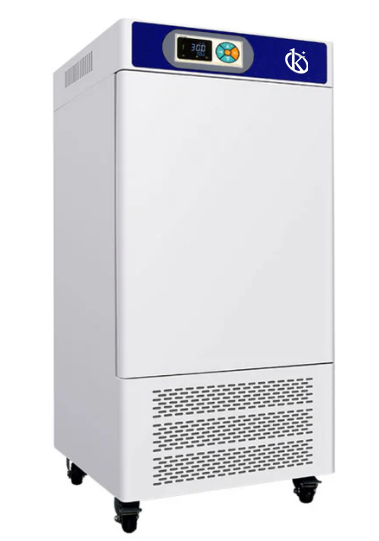
How to Achieve ISO/IEC Compliance with Constant Temperature and Humidity Incubators
Constant temperature and humidity incubators play a crucial role in laboratories, particularly when it comes to adhering to ISO/IEC standards. These advanced pieces of equipment are designed to maintain precise environmental conditions, which is essential for various applications in medical, agricultural, and scientific research domains. This article will explore the importance of compliance with ISO/IEC regulations in the context of constant temperature and humidity incubators, detailing how each model contributes to achieving these standards.
Understanding ISO/IEC Compliance in Laboratories
ISO/IEC compliance standards ensure that laboratories operate effectively and maintain high-quality management systems. Key standards such as ISO 17025 and ISO 15189 dictate requirements for laboratory competence and quality management, making it essential for labs to employ equipment that can help demonstrate compliance effectively.
Constant temperature and humidity incubators, such as the YR02053, YR02054, and YR02055 models, are designed to provide controlled environments that meet the conditions required for various tests and experiments. Their design, features, and operational parameters must align with the ISO/IEC clauses, showcasing their contribution to maintaining regulatory standards.
Model Overview and Their Compliance Features
This section will provide an overview of the constant temperature and humidity incubators available, outlining their specific features that contribute to regulatory compliance.
Constant Temperature and Humidity Incubator YR02053
The YR02053 model is designed for a temperature range of 0 to 60 degrees Celsius, with a precision of ±0.1 degrees Celsius. With a stainless steel interior and automatic defrost features, it is ideal for use in environmental protection, medicine, and agricultural research. Its design helps fulfill ISO/IEC compliance needs by ensuring consistent environmental conditions.
Constant Temperature and Humidity Incubator YR02054
Similar to the YR02053, the YR02054 model maintains a temperature range of 0 to 60 degrees Celsius. Its larger interior size (800 x 500 x 380 mm) allows for more extensive testing capabilities, making it suitable for hospital labs and drug testing facilities. Its features ensure that the laboratory environment remains compliant with ISO 17025 requirements.
Constant Temperature and Humidity Incubator YR02055
The YR02055 model extends the capabilities of the YR02054, with a larger capacity for samples at 1000 x 550 x 450 mm and a power rating of 0.8 kilowatts. This model is particularly effective in academic settings and complex research studies where strict adherence to ISO/IEC standards is vital.
Comparison of Available Models
| Model | Temperature Range (°C) | Precision (°C) | Interior Size (mm) | Power (kW) | Best For |
|---|---|---|---|---|---|
| YR02053 | 0 ~ 60 | ± 0.1 | 580 × 450 × 380 | 0.4 | Environmental Studies |
| YR02054 | 0 ~ 60 | ± 0.1 | 800 × 500 × 380 | 0.6 | Medical Testing |
| YR02055 | 0 ~ 60 | ± 0.1 | 1000 × 550 × 450 | 0.8 | Academic Research |
Addressing Common Mistakes in Compliance
Laboratories often face challenges in maintaining ISO/IEC compliance due to various common mistakes. Identifying these issues and implementing solutions can significantly enhance compliance efforts.
- Neglecting Documentation: Many labs fail to keep comprehensive records of their operational procedures. Regular documentation of incubator usage can aid compliance with standards.
- Ignoring Calibration: Calibration of incubators must not be overlooked. Regular checks ensure that temperature and humidity levels remain within specified standards.
- Inadequate Training: Staff should be trained on the importance of ISO/IEC standards and how to operate incubators effectively. Continuous training helps maintain compliance and enhances lab operational efficiency.
Frequently Asked Questions
How can I ensure my constant temperature incubator meets ISO 17025 requirements?
The YR02054 model is particularly geared towards meeting ISO 17025 requirements by maintaining precise environmental conditions. Ensuring regular calibration and documentation of all procedures will also help maintain compliance.
What are the key features of constant temperature and humidity incubators for laboratory testing?
Key features include precise control of temperature and humidity, automatic defrost functions, and stainless steel interiors. The YR02055 model, for example, provides superior control, making it ideal for complex testing scenarios.
Which constant temperature incubator is best for medical laboratory compliance?
The YR02054 model is suitable for medical laboratories due to its robust features that ensure compliance with ISO standards. Its larger capacity also allows for extensive testing without compromising environmental conditions.
What documentation is required for ISO 15189 compliance in laboratory incubators?
For ISO 15189 compliance, laboratories must maintain detailed documentation of calibration, maintenance, and operational procedures for each incubator model, such as the YR02053, to ensure traceability and compliance.
How often should I calibrate my constant temperature incubator?
Calibration should be conducted regularly, typically every six months, to ensure that models like the YR02055 are delivering accurate temperature and humidity readings in compliance with ISO standards.
What are the benefits of using stainless steel in incubator design?
Stainless steel interiors, like those in the YR02053 model, offer enhanced durability and ease of cleaning, which is essential for maintaining hygiene and compliance with laboratory standards.
How does humidity control factor into compliance with ISO/IEC standards?
Humidity control is crucial for preventing sample degradation. Models like the YR02054 include advanced humidification systems that help maintain compliance with ISO/IEC standards for various tests.
What is the energy consumption of constant temperature incubators?
The energy consumption for models like the YR02055 is typically around 0.8 kW, making them efficient for laboratories that require continuous monitoring while adhering to regulatory standards.
If you are looking for a fusion of innovation and quality, you have come to the right place. At Kalstein, we offer you the luxury of exploring our exclusive catalog of laboratory equipment. We manufacture every device to the highest standards of excellence. Our intuitive and seamless online purchasing channels are designed for your convenience, securing the most competitive prices. Hesitate no longer — we bring science to life, it is time to become part of our community.