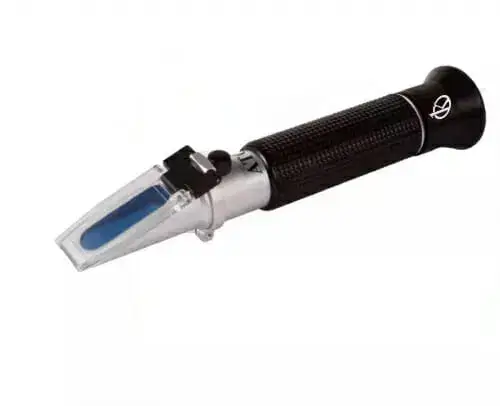
How to Ensure ISO/IEC Compliance with Car Refractometers in Laboratory Practices
In the realm of laboratory practices, compliance with ISO/IEC standards is paramount for maintaining quality, accuracy, and reliability. This article delves into how car refractometers can play a crucial role in meeting these regulatory requirements, particularly focusing on models YR05916, YR05917, YR05918, YR05919, YR05920, and YR05921. By understanding the specifications and applications of these models, laboratory professionals can make informed decisions that enhance both compliance and operational efficiency.
Understanding ISO/IEC Standards in Laboratory Settings
ISO/IEC standards provide a framework that governs the quality management systems within laboratories. Compliance ensures that laboratories consistently deliver reliable results, which is essential for safety and efficacy in various applications. Among the key standards, ISO 17025 specifies the requirements for competence and consistency in testing and calibration laboratories. This article focuses on how car refractometers can help fulfill these standards by offering precise measurements necessary for regulatory compliance.
Key ISO/IEC Clauses Relevant to Car Refractometers
ISO/IEC 17025 outlines several clauses that laboratories must adhere to, including:
- Clause 5.4: Equipment must be regularly calibrated and maintained to ensure reliable measurements.
- Clause 6.5: Laboratory personnel must be trained, ensuring they understand the operation of the equipment.
- Clause 7.1: A methodology for testing and calibration must be documented and followed.
The models of car refractometers discussed here are designed to meet these clauses by providing precise and reliable measurements that are fundamental for compliance.
Car Refractometers: Meeting Compliance Standards
Car refractometers, such as the YR05916 and YR05917, are equipped with Automatic Temperature Compensation (ATC), which ensures accurate readings despite temperature fluctuations. This feature is crucial when testing coolant concentrations in automotive applications, as inaccuracies can lead to engine failures. Each model adheres to the ISO standards for measurement precision, making them essential tools in laboratories focused on automotive fluids.
Comparison of Available Models
| Model | Measuring Range | Precision | ATC | Best For |
|---|---|---|---|---|
| YR05916 | E:-60°C--0°C P:-50°C-0°C B:1.100-1.400sg | ±0.01sg ±5°C | Yes | Coolant testing |
| YR05917 | E:-60°C--0°C P:-50°C-0°C B:1.100-1.400sg | ±0.01sg ±5°C | Yes | Antifreeze concentration |
| YR05918 | E:-60°F-32°F P:-50°F-32°F B:1.15-1.30sg | ±0.01sg ±5°F | Yes | Windshield washer fluid testing |
| YR05919 | E:-60°C--0°C P:-50°C-0°C B:1.100-1.400sg | ±0.01sg ±5°C | Yes | General automotive testing |
| YR05920 | E:-60°C--0°C P:-50°C-0°C B:1.100-1.400sg | ±0.01sg ±5°C | Yes | Engine cooling systems |
| YR05921 | E:-60°C--0°C P:-50°C-0°C B:1.100-1.400sg | ±0.01sg ±5°C | Yes | Advanced coolant testing |
Common Mistakes and How to Avoid Them
One of the prevalent mistakes in laboratories is neglecting the calibration of refractometers. Failing to calibrate can result in inaccurate readings, which can lead to non-compliance with ISO/IEC standards. It is essential to establish a regular calibration schedule, ideally before significant testing events. Additionally, laboratory personnel should receive continuous training on the use and maintenance of refractometers to ensure they fully understand the implications of their measurements.
Implementing Effective Documentation Practices
ISO/IEC compliance requires substantial documentation. Each test result from a car refractometer must be recorded, detailing conditions and calibration statuses. Creating a standardized template can streamline this process, ensuring that all readings are organized and accessible for audits. The documentation should include model codes, measurement records, and calibration dates for full traceability.
Integrating Training and Quality Control Protocols
Training is a vital component of maintaining ISO/IEC compliance. Each model, such as the YR05920, requires specific handling and understanding of its features. Quality control protocols should be established that include routine testing of equipment, documentation of results, and corrective actions for any discrepancies. This approach not only aids compliance but also enhances the overall quality of laboratory operations.
Frequently Asked Questions
How do car refractometers contribute to ISO 17025 compliance in laboratories?
Car refractometers like the YR05916 are essential for ISO 17025 compliance as they provide accurate measurements crucial for testing automotive fluids. Their automatic temperature compensation feature ensures precise readings, thereby meeting the quality assurance requirements outlined in the standard.
What specifications should I look for in a car refractometer for regulatory compliance?
When selecting a car refractometer, ensure it includes features like ATC, measurement precision of ±0.01sg, and a broad measuring range such as that of the YR05917. These specifications are crucial for compliance with ISO/IEC standards in laboratory practices.
Which car refractometer model is best for testing coolant concentrations?
The YR05917 car refractometer is highly recommended for testing coolant concentrations due to its wide measurement range and high precision, making it an excellent choice for compliance with regulatory standards.
What are the common mistakes labs make when using car refractometers?
Common mistakes include failing to calibrate equipment regularly and not training personnel adequately. Both can lead to non-compliance with ISO/IEC standards. Implementing a strict calibration schedule can help mitigate these issues.
How often should I calibrate my car refractometer for ISO compliance?
Calibration should occur at least annually, or more frequently if the refractometer is used extensively, to ensure compliance with ISO/IEC standards. For instance, the YR05920 model should be calibrated before critical tests.
What documentation is necessary for compliance with ISO standards?
Documentation should include calibration records, testing results, and maintenance logs. Each entry should detail the model used, such as YR05918, and conditions during the tests to ensure full traceability in compliance audits.
How can I ensure accurate results when using a car refractometer?
To ensure accurate results, follow a strict calibration schedule, use models with ATC like YR05921, and train staff on proper usage techniques. This approach helps maintain compliance with ISO/IEC standards and improves reliability.
What is the impact of improper use of car refractometers on laboratory compliance?
Improper use can lead to inaccurate measurements, resulting in non-compliance with ISO/IEC standards. For example, if the YR05919 model is not calibrated correctly, the resulting data could compromise safety and effectiveness in automotive applications.
If you are looking for a fusion of innovation and quality, you have come to the right place. At Kalstein, we offer you the luxury of exploring our exclusive catalog of laboratory equipment. We manufacture every device to the highest standards of excellence. Our intuitive and seamless online purchasing channels are designed for your convenience, securing the most competitive prices. Hesitate no longer — we bring science to life, it is time to become part of our community.