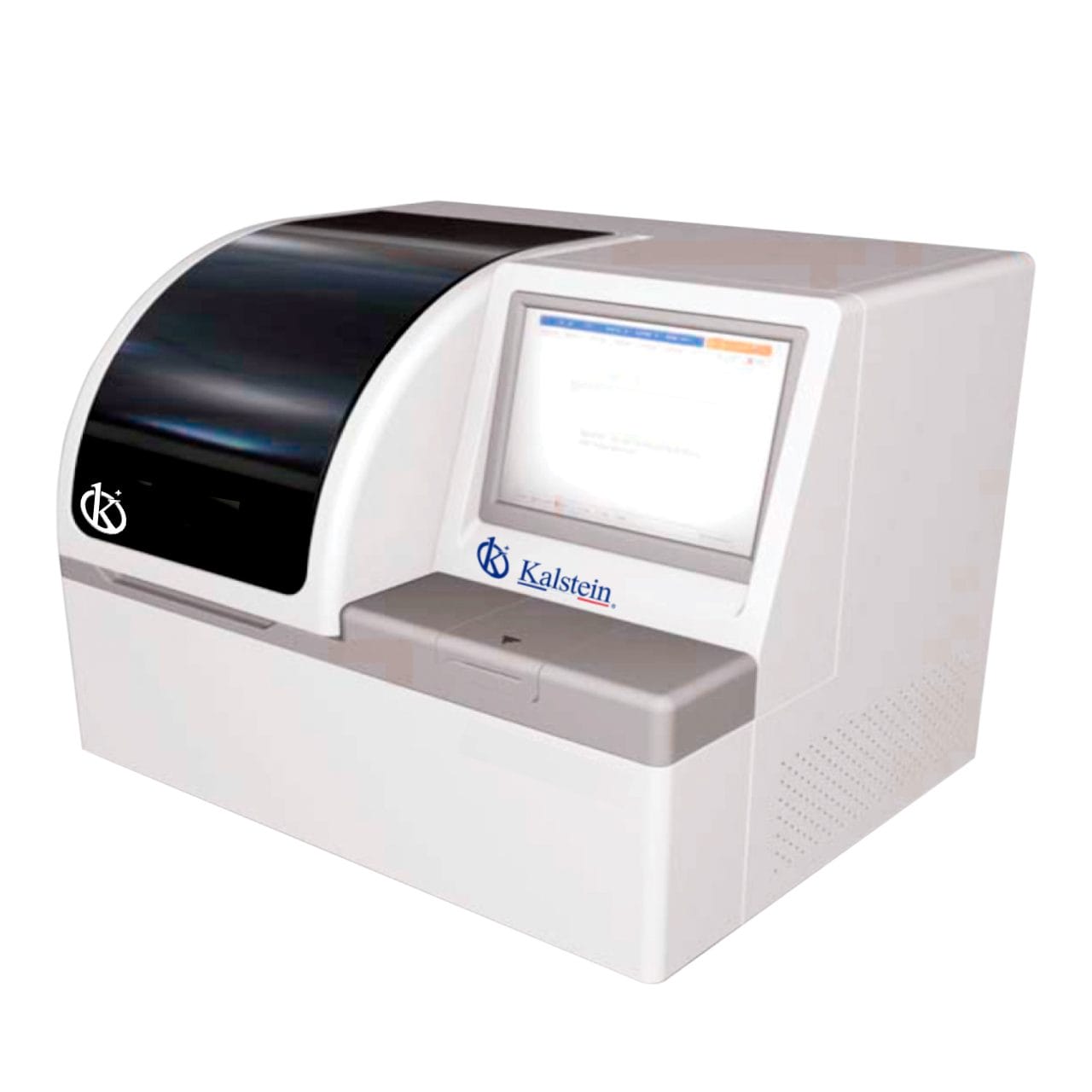
Interpreting Results and Reading Measurements of the YR06073 Automated Chemistry Analyzer
The YR06073 Automated Chemistry Analyzer is an advanced tool designed to enhance efficiency and precision in clinical and immunoturbidimetric chemical analysis. With its capability to conduct up to 100 tests per hour, this device optimizes workflow in high-demand laboratories. Understanding how to interpret the results generated by the YR06073 is essential for laboratory technicians to ensure accurate diagnostics and effective patient care. This article will delve into the various aspects of result interpretation, measurement readings, and best practices for using the YR06073.
Technical Overview of YR06073
| Model | YR06073 |
|---|---|
| Performance | Up to 100 tests per hour |
| Tests Performed | Clinical chemistry, immunoturbidimetry |
| Analytical Modes | End-point, two-point, kinetics |
| Sample Capacity | 9 sample positions |
| Cooling Temperature | 4 - 15ºC |
| Internal Cleaning System | Automatic internal and external cleaning |
| Optical System | Halogen lamp; absorbance range: 0 - 3.500 Abs |
Understanding Measurement Units and Ranges
To accurately interpret results from the YR06073, it is vital to know the units of measurement used in clinical chemistry. Commonly, results are reported in units such as mg/dL, mmol/L, or IU/L. Understanding these units allows technicians to assess whether results fall within normal limits or indicate potential health concerns.
Normal ranges for various analytes are established based on population studies and may vary by laboratory. For instance, while a glucose level might be considered normal between 70 and 100 mg/dL, the YR06073 software displays results alongside these reference ranges for easy comparison.
Reading the Display and Printout
The YR06073 features an intuitive interface that displays test results clearly and concisely. When reading the display, key components include:
- Test Name: Clearly labeled to indicate which analysis has been performed.
- Result Value: The numerical output representing the measurement.
- Reference Range: The acceptable range for the test, allowing for quick assessment of results.
- Error Bars: Visual indicators showing the reliability of the measurement.
Understanding how to read these components ensures that technicians can quickly interpret results and make informed decisions.
Common Misinterpretations and How to Avoid Them
Despite the advanced nature of the YR06073, there are common misinterpretations that can lead to diagnostic errors. One such example is confusing the units of measurement. A technician should always confirm whether the result is in mg/dL or mmol/L, as this can significantly affect the interpretation.
Another area of potential confusion is the reference ranges. Different populations may have different normal ranges based on age, gender, and health status. It’s crucial for technicians to familiarize themselves with the specific reference ranges used in their laboratory to avoid errors.
Practical Examples of Result Interpretation
Let’s consider a practical example. A blood glucose test result reads 150 mg/dL. By comparing this value against the reference range of 70-100 mg/dL, a technician can conclude that the result indicates hyperglycemia. In contrast, if the result were 85 mg/dL, it would fall within the normal range.
Another example would be interpreting cholesterol levels. If a result shows total cholesterol at 240 mg/dL, this would be flagged as high based on standard guidelines which classify less than 200 mg/dL as ideal.
Best Practices for Accurate Results
To maximize precision and minimize errors, follow these best practices when operating the YR06073:
- Calibration: Regularly calibrate the analyzer according to the manufacturer’s guidelines.
- Quality Control: Implement routine quality control checks using known standards.
- Proper Sample Handling: Ensure samples are collected, stored, and processed correctly to prevent degradation.
- Training: Ensure all personnel are adequately trained in using the YR06073 and interpreting its outputs.
Frequently Asked Questions
What types of tests can be performed using the YR06073?
The YR06073 can perform clinical chemistry tests and immunoturbidimetry, utilizing various analytical modes including end-point, two-point, and kinetics.
How do I interpret abnormal results from the YR06073?
Abnormal results should be compared against the reference ranges established for each test. If results fall outside these ranges, further investigation may be warranted.
What is the significance of error bars in test results?
Error bars indicate the reliability of the measurement. A smaller error bar signifies greater precision, while larger error bars may suggest variability in the results.
How often should I calibrate the YR06073?
Calibration frequency depends on usage; however, it is generally recommended to calibrate before use and periodically throughout daily operations, especially after significant instrument maintenance.
What should I do if I receive inconsistent readings from the YR06073?
Inconsistent readings may result from sample handling errors, calibration issues, or equipment malfunctions. It is crucial to verify sample integrity, re-calibrate the analyzer, and check for any error codes.
Can the YR06073 be integrated with laboratory information systems?
Yes, the YR06073 can be integrated with various laboratory information systems to streamline data management and reporting processes.
What are the common maintenance practices for the YR06073?
Regular maintenance practices include cleaning the optical components, checking fluid levels, and performing routine software updates to ensure optimal performance.
If you are looking for a fusion of innovation and quality, you have come to the right place. At Kalstein, we offer you the luxury of exploring our exclusive catalog of laboratory equipment. We manufacture every device to the highest standards of excellence. Our intuitive and seamless online purchasing channels are designed for your convenience, securing the most competitive prices. Hesitate no longer — we bring science to life, it is time to become part of our community.