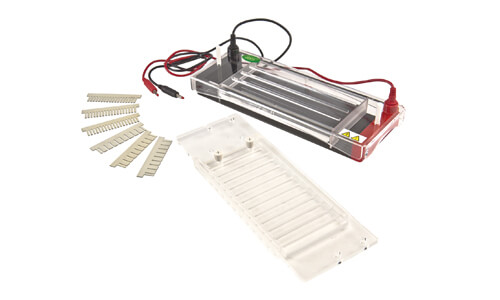
Interpreting Results and Reading Measurements with the YR03422 Electrophoresis Unit
The YR03422 horizontal electrophoresis unit is designed with laboratory scientists in mind, providing a flexible and user-friendly platform for various electrophoresis needs. Understanding how to interpret results and read measurements accurately is crucial for effective laboratory work. This guide delves into the specifics of the YR03422, focusing on the principles that govern its operation and how to derive meaningful data from its use.
Overview of the YR03422 Electrophoresis Unit
The YR03422 model stands out as a versatile tool for DNA and RNA gel electrophoresis. With rapid operation speeds and the capacity to handle multiple samples simultaneously, it is essential to familiarize yourself with its functionalities to maximize its potential in experiments.
Technical Specifications of the YR03422
| Model | YR03422 |
|---|---|
| Gel Size (WxL) | 66x250mm; 82x250mm |
| Buffer Volume | ~5600ml |
| Dimensions (LxWxH) | 318x175x65mm |
| Net Weight | 1.0 Kg |
Principles of Operation for Accurate Results
The YR03422 operates on the principle of gel electrophoresis, which allows for the separation of nucleic acids based on size. When an electric field is applied, negatively charged DNA or RNA fragments migrate towards the positive electrode. The gel matrix's pore size affects the speed of migration, with smaller fragments moving faster than larger ones. Understanding these principles helps in setting up the experiment correctly and interpreting the resulting bands effectively.
Understanding Measurement Reading
Results from the YR03422 can be visualized as bands on a gel. These bands represent different sizes of nucleic acids. Correctly interpreting these bands involves understanding the relationship between the distance migrated and the size of the DNA or RNA. Using a molecular weight marker in parallel with your samples provides a reference to estimate the sizes of the unknown samples.
Common Misinterpretations in Result Analysis
One significant challenge is distinguishing between similar-sized bands. Overloading the gel can lead to smearing, making it difficult to interpret results. Additionally, environmental factors such as temperature can influence the migration speed and, consequently, the band formation. Maintaining consistent experimental conditions is essential for reliable data interpretation.
Best Practices for Accurate Result Interpretation
- Always run a molecular weight standard alongside your samples.
- Ensure proper gel concentration for the size of nucleic acids being analyzed.
- Document the experimental conditions to help in future result interpretation.
- Use appropriate software tools for analyzing gel images to quantify band intensity.
Frequently Asked Questions
What are the optimal gel concentrations for different sizes of DNA?
The optimal gel concentration varies; for small fragments (100-500 bp), a 2% agarose gel is typically used, while larger fragments (1-10 kb) benefit from a 0.7-1% gel concentration.
How can I improve the clarity of the bands in my electrophoresis results?
To improve clarity, ensure the proper loading of samples without overloading, maintain consistent voltage levels, and run the gel at a temperature that minimizes diffusion.
What are the common sources of error in reading electrophoresis results?
Common sources of error include incorrect gel preparation, inconsistent sample loading, and misinterpretation of band intensity.
How does the buffer system affect the electrophoresis results with the YR03422?
The buffer system directly influences the pH and conductivity of the medium, affecting the migration speed of nucleic acids. It's crucial to use the recommended buffer for optimal results.
Can I use the YR03422 for both DNA and RNA electrophoresis?
Yes, the YR03422 is suitable for both DNA and RNA electrophoresis, but ensure to use appropriate gels and buffer conditions for each type of nucleic acid.
What troubleshooting steps should I take if bands appear smeared?
Smeared bands can result from overloaded samples or improper gel concentration. Reduce sample loading and check gel preparation to ensure proper polymerization.
Is it necessary to use a ladder for every electrophoresis run?
Using a molecular weight ladder for each run is crucial for accurate size estimation and result validation.
If you are looking for a fusion of innovation and quality, you have come to the right place. At Kalstein, we offer you the luxury of exploring our exclusive catalog of laboratory equipment. We manufacture every device to the highest standards of excellence. Our intuitive and seamless online purchasing channels are designed for your convenience, securing the most competitive prices. Hesitate no longer — we bring science to life, it is time to become part of our community.