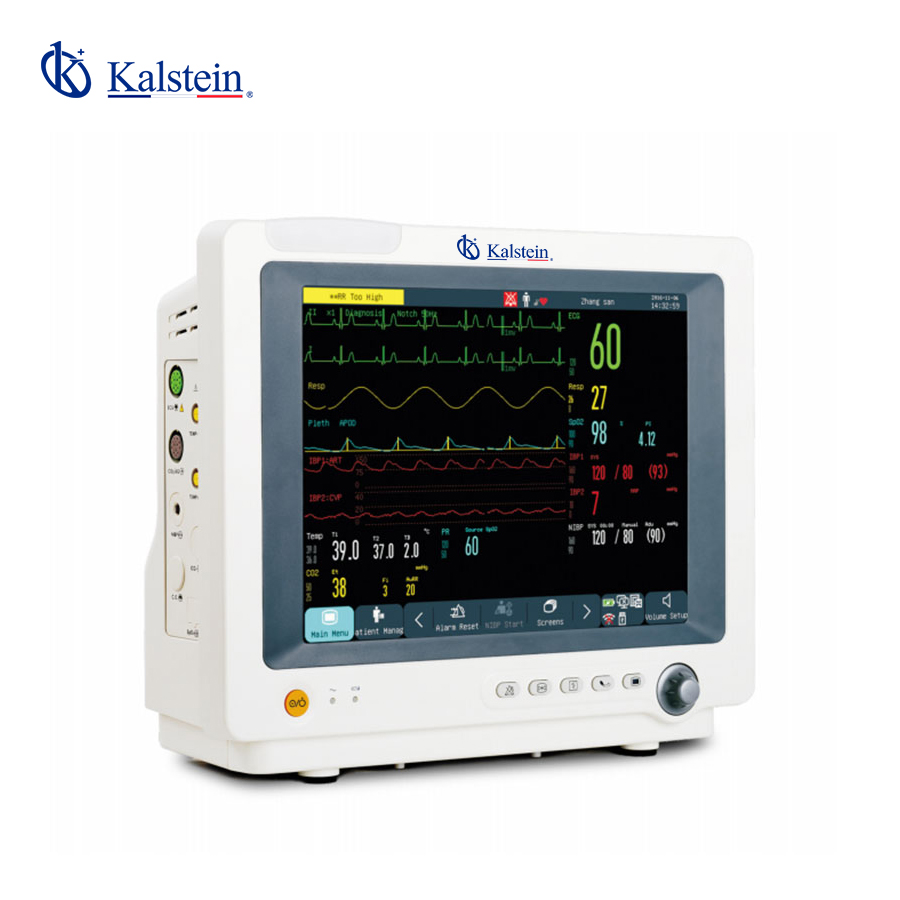
Interpreting Results and Reading Measurements with the YR02173 Bedside Monitor
The YR02173 bedside monitor is a sophisticated medical device widely used in clinical environments for monitoring patients' vital signs. This article focuses on the interpretation of results and the correct reading of measurements obtained from this model, ensuring operators can utilize the device to its fullest potential.
Understanding the YR02173 Bedside Monitor
The YR02173 utilizes advanced technologies to provide accurate readings of various physiological parameters. It boasts a 12.1-inch touchscreen, which enhances user interaction and facilitates real-time data analysis. Essential features include ECG monitoring, dual invasive blood pressure (IBP), end-tidal CO2 (EtCO2), and SpO2 monitoring. The diversity of its capabilities makes it an invaluable tool in both critical and routine care settings.
Technical Data Table for YR02173
| Feature | Specification |
|---|---|
| Model | YR02173 |
| Brand | Kalstein |
| Category | Patient Monitor |
| Price (USD) | $888.00 |
| Gross Weight | 5.5 kg |
| Dimensions | x x |
| Package Size | 41 x 28 x 36 cm |
Interpreting ECG Measurements
The YR02173 features a five-lead ECG monitoring system, allowing for comprehensive cardiac assessments. The primary lead configuration includes RA, LA, LL, RL, and V, ensuring accurate readings across various heart conditions. Operators should be mindful of the standard lead placements to avoid misinterpretations. Proper calibration and understanding of the waveforms are crucial for accurate diagnosis.
Normal heart rate ranges from 60 to 100 bpm for adults, with the YR02173 offering a measurement range of 15-300 bpm. It is important to recognize arrhythmias and other cardiac anomalies through careful analysis of the ECG tracing. Operators should familiarize themselves with common patterns to effectively interpret the results during patient evaluation.
Understanding SpO2 Readings
The YR02173 incorporates a SpO2 monitoring system that provides non-invasive blood oxygen saturation measurements. The device measures SpO2 levels within the range of 0-100% with an accuracy of ±2% at normal ranges. It is essential for operators to understand that SpO2 readings can be influenced by various factors, including skin pigmentation, perfusion levels, and motion artifacts.
When interpreting SpO2 measurements, it is equally important to correlate them with the patient's clinical status. For instance, a low SpO2 reading might prompt immediate interventions in a clinical setting, such as supplemental oxygen administration. Understanding the waveform and numerical readout can significantly enhance patient management strategies.
Reading Temperature Measurements
The YR02173 monitors body temperature through its dual-channel capability, with a measurement range of 0-50ºC and a resolution of 0.1ºC. This precision is critical in assessing febrile patients or monitoring responses to treatment. Operators should note that temperature readings should be taken consistently, with consideration of potential external influences, such as ambient temperature and patient activity.
Understanding the significance of temperature in clinical settings enables healthcare providers to identify the presence of infection or monitor the efficacy of therapies. In practice, abnormalities in temperature readings should always lead to further investigation of the underlying causes.
Common Misinterpretations of Measurements
One of the challenges in utilizing the YR02173 is the potential for misinterpretation of the displayed measurements. For example, fluctuating heart rates may be mistaken for artifact when they are, in fact, indicative of an actual change in the patient's condition. Operators must be trained to differentiate between noise and meaningful data.
In addition, understanding the error margins stated by the device is crucial. For example, the heart rate accuracy of ±1 bpm means that caregivers should interpret the readings within this context, recognizing variability due to patient movement or electrical interference.
Frequency of Calibration and Maintenance
For optimal performance, the YR02173 requires regular calibration and maintenance. It is recommended that users perform checks on the device following manufacturer guidelines, ensuring that all settings are accurate. Regular maintenance helps avoid failures that could lead to erroneous readings.
Establishing a routine for calibration not only maximizes the reliability of the YR02173 but also enhances patient safety. Operators should document calibration activities and any observed discrepancies in readings, which can provide valuable insights for troubleshooting purposes.
Frequently Asked Questions
How can I ensure accurate readings on the YR02173 Bedside Monitor?
To ensure accurate readings, ensure that all sensors are properly attached to the patient, verify calibration settings, and regularly maintain the device per manufacturer guidelines. Environmental factors, such as temperature and interference from other devices, should also be considered.
What should I do if the YR02173 displays an error code?
If the YR02173 displays an error code, consult the user manual for the specific error description. Common steps include checking connections, recalibrating the device, and ensuring that all components are functioning correctly. If issues persist, reach out to technical support.
Can I use the YR02173 for pediatric patients?
Yes, the YR02173 is suitable for pediatric patients, but it is essential to adjust the parameters according to the age and size of the child. The device offers customizable settings to accommodate varying patient demographics.
What factors can affect the SpO2 readings on the YR02173?
SpO2 readings can be affected by factors such as poor circulation, low hemoglobin levels, skin pigmentation, and movement during measurement. Ensure that the probe is positioned correctly and that the patient's hands are warm to improve accuracy.
How often should I conduct preventive maintenance on the YR02173?
Preventive maintenance should be conducted according to the manufacturer's recommendations, typically every 6 months. Regular inspections and calibrations will help ensure the device operates efficiently and accurately.
What is the significance of the temperature range measured by the YR02173?
The temperature range is crucial for diagnosing and monitoring fever or hypothermia in patients. Consistent monitoring helps healthcare providers make informed decisions regarding interventions.
How can I request a quote for the YR02173 Bedside Monitor?
You can request a quote for the YR02173 Bedside Monitor by contacting our sales team directly or visiting our online portal. We are here to assist you with your needs.
If you are looking for a fusion of innovation and quality, you have come to the right place. At Kalstein, we offer you the luxury of exploring our exclusive catalog of laboratory equipment. We manufacture every device to the highest standards of excellence. Our intuitive and seamless online purchasing channels are designed for your convenience, securing the most competitive prices. Hesitate no longer — we bring science to life, it is time to become part of our community.