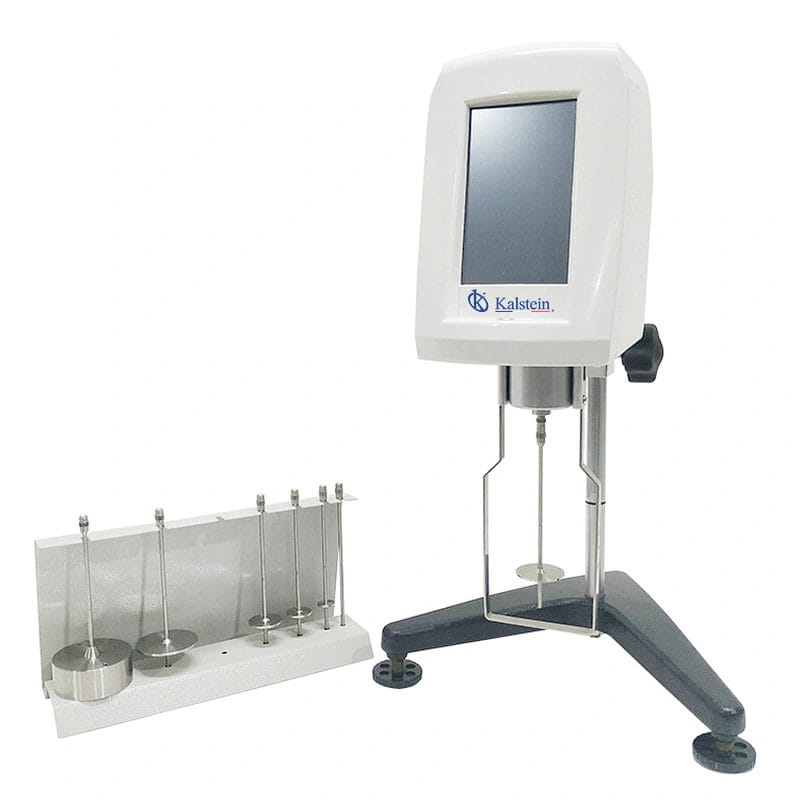
How to Interpret Results and Read Measurements with the YR05861 Viscometer
The Brookfield Viscometer YR05861 is a powerful instrument designed for precise viscosity measurements across various applications. Understanding how to interpret the results and read measurements accurately is essential for effective data analysis. In this article, we will delve into the technical specifications, measurement interpretation, and provide practical examples to guide you through the process of utilizing the YR05861 effectively.
Technical Specifications of the YR05861
| Specification | Details |
|---|---|
| Model | YR05861 |
| Measurement Range | 1-2,000,000 mPa·S |
| Display | LCD |
| Accuracy | ±1% |
| Repeatability | ±0.3% |
| Resolution | 1 mPa·S |
| Temperature Range | -50 to 99 Degrees |
| Power Supply | AC 220V ± 10% 50 Hz ± 10% |
| Dimensions | 45 x 35 x 49 cm |
Understanding Viscosity and Its Measurements
Viscosity is a measure of a fluid's resistance to flow. The YR05861 measures viscosity in centipoise (cP) or millipascal-seconds (mPa·S). This is crucial in industries such as food, pharmaceuticals, and chemicals, where viscosity plays a critical role in product quality and performance.
To interpret the readings from the YR05861, it is important to understand the viscosity levels of various substances. For example, water has a viscosity of about 1 mPa·S at room temperature, whereas honey may range from 2,000 to 10,000 mPa·S depending on temperature and composition.
How to Read the Display of the YR05861
The YR05861 features an LCD display that shows real-time viscosity measurements along with the selected spindle and rotational speed settings. Here’s how to read the display effectively:
- Measurement Value: This indicates the viscosity of the sample in mPa·S. Ensure you are familiar with the expected viscosity range of the sample being tested.
- Spindle Type: The selected spindle type will impact the reading. The YR05861 supports various spindle types (0-4, 21, 27, 28, 29) suitable for different viscosity ranges.
- Rotational Speed: The operating speed impacts the viscosity reading. The YR05861 allows speeds ranging from 0.3 to 60 RPM.
Common Misinterpretations of Viscosity Measurements
It’s essential to avoid common pitfalls in interpreting viscosity measurements. Some of these include:
- Confusing spindle types: Make sure the correct spindle type is selected for the sample being measured, as this will directly affect the viscosity value.
- Temperature effects: Viscosity is temperature-dependent. Ensure that measurements are taken at a controlled temperature, ideally at the temperature for which the sample is known.
- Improper cleaning: Residual materials on the spindle can alter viscosity readings. Always clean spindles and containers thoroughly before measurements.
Example Measurements and Interpretations
To illustrate the application of the YR05861, consider the following examples:
Example 1: Water at Room Temperature
When measuring water, the YR05861 should display a viscosity close to 1 mPa·S. Any significant deviation may indicate the presence of impurities or temperature fluctuations during the measurement.
Example 2: Honey at Ambient Temperature
For honey, expect readings between 2,000 and 10,000 mPa·S. If the reading is outside this range, it may suggest improper spindle choice or an uncalibrated instrument.
Best Practices for Using the YR05861
To ensure the accuracy of measurements with the YR05861 viscometer, follow these best practices:
- Calibrate the instrument regularly according to manufacturer guidelines.
- Use appropriate spindles and speeds for the sample's viscosity range.
- Maintain a controlled temperature environment for testing.
- Document all measurements for reference and analysis.
Frequently Asked Questions
What is the maximum viscosity that the YR05861 can measure?
The YR05861 can measure viscosities up to 2,000,000 mPa·S, making it suitable for a wide range of applications.
How do I know which spindle to use for my measurement?
Choosing the right spindle depends on the viscosity of your sample. Refer to the operational manual for guidelines on spindle selection based on viscosity ranges.
Can I use the YR05861 for both low and high viscosity materials?
Yes, the YR05861 is versatile and can be used for both low and high viscosity materials by appropriately selecting the spindle and rotational speed.
What maintenance is required for the YR05861 viscometer?
Regular cleaning of spindles, calibration checks, and ensuring that the device is stored properly are key maintenance practices for the YR05861.
How does temperature affect viscosity readings on the YR05861?
Viscosity is temperature-dependent; thus, higher temperatures usually decrease viscosity. It is crucial to conduct measurements at a stable temperature to ensure accuracy.
What types of applications can the YR05861 be used for?
The YR05861 is widely used in food, pharmaceuticals, chemicals, and cosmetics for quality control, R&D, and product formulation.
Where can I request a quote for the YR05861 viscometer?
You can request a quote for the YR05861 viscometer through our contact channels to get the best pricing and options tailored to your needs.
If you are looking for a fusion of innovation and quality, you have come to the right place. At Kalstein, we offer you the luxury of exploring our exclusive catalog of laboratory equipment. We manufacture every device to the highest standards of excellence. Our intuitive and seamless online purchasing channels are designed for your convenience, securing the most competitive prices. Hesitate no longer — we bring science to life, it is time to become part of our community.