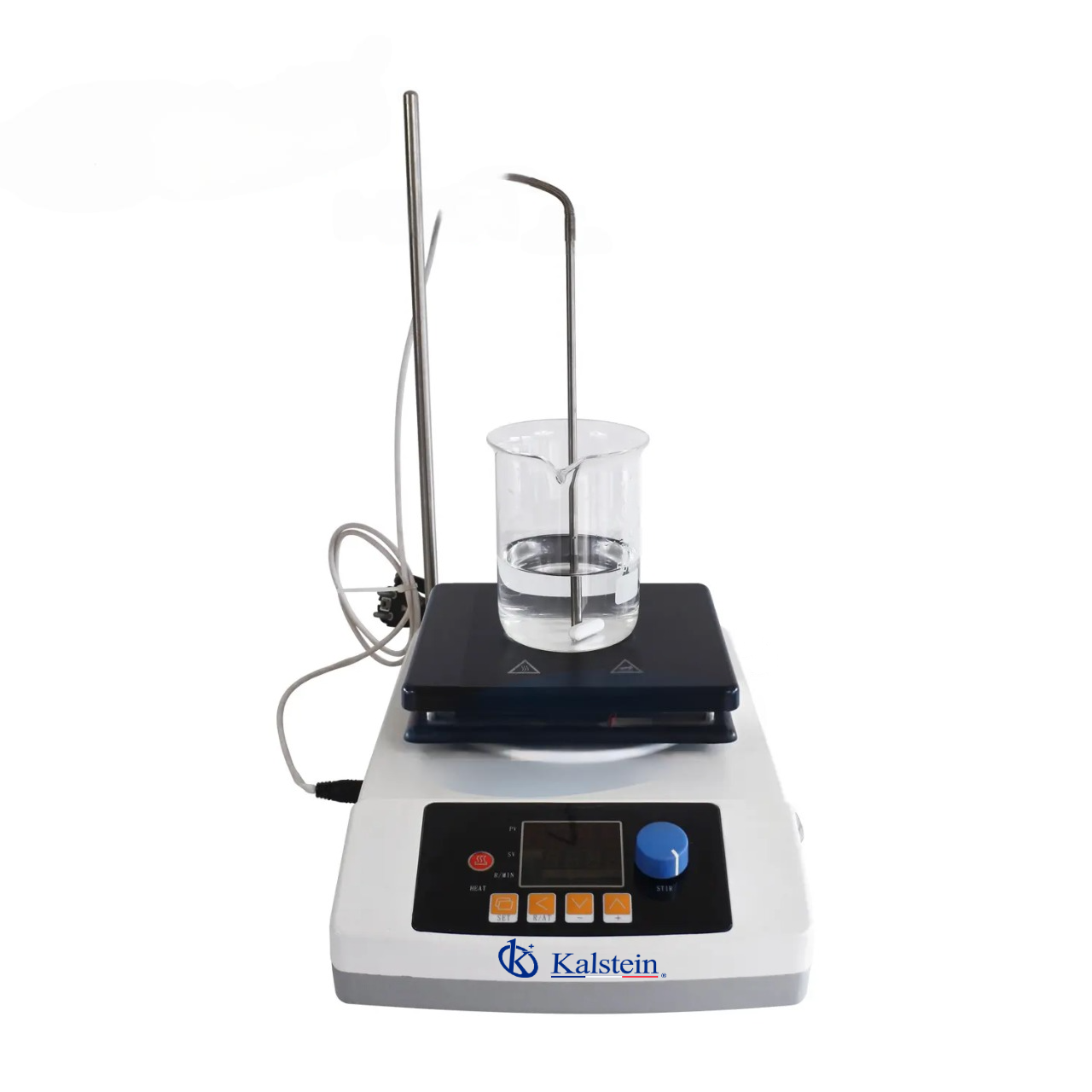
Intelligent Digital Display Ceramic Top Hotplate Stirrer: Applications in Research, Biotechnology, and Academia 2026
What is it used for in 2026
The Intelligent Digital Display Ceramic Top Hotplate stirrers are essential tools in laboratories, particularly in the fields of chemistry and biology. They are widely used for heating and mixing substances in a controlled environment. Their versatility allows them to be utilized for various applications, such as sample preparation, chemical reactions, and even temperature-sensitive processes. A significant advantage is their ability to maintain uniform heating while minimizing contamination risks, which is crucial in research and academic settings.
History and evolution of the technology
The evolution of the hotplate stirrer technology began with the need for efficient mixing and heating solutions in laboratories. Initial models were simple heating plates with mechanical stirring mechanisms, often prone to wear and tear. As technology advanced, magnetic stirrers emerged, offering quieter and more efficient mixing options. The introduction of digital displays and PID temperature controls further revolutionized these devices, providing researchers with precise temperature management and improved safety features. Today’s Intelligent Digital Display Ceramic Top Hotplate stirrers represent the cutting edge of laboratory technology, integrating ease of use with robust performance.
How to use it step by step
- Setup: Place the hotplate stirrer on a stable, level surface away from moisture and direct sunlight.
- Connect the device: Plug the device into a power source.
- Select the appropriate container: Ensure your container is compatible with the hotplate stirrer, preferably made of materials that can withstand heating.
- Program the temperature: Use the digital display to set the desired temperature using the PID control system for optimal results.
- Adjust the stirring speed: Set the stirring speed according to the requirements of your experiment.
- Begin operation: Start the device and monitor the process through the digital display for consistency.
- End the experiment: Once finished, turn off the device and allow it to cool before cleaning.
Best techniques and protocols
Utilizing hotplate stirrers effectively requires adhering to certain protocols. Firstly, always calibrate the device before use to ensure temperature accuracy. When working with volatile or hazardous materials, ensure proper ventilation and use protective equipment. Additionally, it is vital to select the correct stirring speed based on the viscosity of the liquid being stirred. For optimal results, it is recommended to gradually increase the temperature to avoid sudden changes that could affect the experiment.
Practical applications by laboratory type
In academic laboratories, these devices are often used for educational demonstrations and experiments involving chemical reactions. In biotechnology labs, they facilitate the preparation of samples and media, ensuring consistent temperature during incubation. Research laboratories leverage these tools for advanced experiments that require precise temperature and mixing control during complex reactions. The use of ceramic tops allows for easy cleaning and excellent chemical resistance, making them suitable for various applications across multiple fields.
Regulations, standards and certifications
Hotplate stirrers must adhere to several regulatory standards to ensure safety and efficacy. In the United States, devices must comply with the American National Standards Institute (ANSI) and Underwriters Laboratories (UL) certifications. Internationally, compliance with the International Organization for Standardization (ISO) standards is also necessary. This ensures that the equipment produced meets rigorous quality and safety requirements, providing users with reliable and safe laboratory devices.
Comparison with alternative technologies
When comparing Intelligent Digital Display Ceramic Top Hotplate stirrers with alternative technologies such as traditional heating mantles or immersion heaters, the hotplate stirrers stand out due to their integrated stirring capabilities and digital controls. While heating mantles provide consistent heating, they lack the mixing function. Immersion heaters can be more energy-efficient but are often less versatile. The ceramic top feature allows for better chemical resistance and easier cleaning, making hotplate stirrers a preferred choice in many laboratories.
Comparison of available models
| Model | Best for | Key specs | Recommended use case |
|---|---|---|---|
| YR02937 | Small sample heating | 140x140 mm, PID control, 100-2000 RPM | Ideal for chemical experiments requiring precise temperature control. |
| YR02938 | Medium sample heating | 180x180 mm, PID control, 7.09 inches | Recommended for educational settings and small labs needing reliable mixing. |
| YR02939 | High volume mixing | 230x230 mm, 750 W, PID control | Best for laboratories handling larger volumes and requiring high-speed stirring. |
| YR02940 | Versatile applications | 280x280 mm, PID control, 325 °C max | Perfect for diverse applications across various research fields. |
| YR02941 | Compact experiments | 140x140 mm, PID control, 325 °C max | Suitable for small-scale experiments and educational demonstrations. |
| YR02942 | General laboratory use | 180x180 mm, PID control, 325 °C max | Advisable for laboratories requiring reliable heating and stirring capabilities. |
Common mistakes and how to avoid them
One common mistake when using hotplate stirrers is exceeding the maximum temperature, which can damage the equipment. Always check the temperature limits for the specific model you are using. Another frequent error is using incompatible containers, which can lead to breakage or contamination. Ensure the container material is suitable for the temperature and chemical nature of the substances being heated. Finally, neglecting regular maintenance, such as cleaning and calibration, can affect performance; thus, establish a routine to ensure your equipment remains in excellent working condition.
Maintenance, calibration and good practices 2026
Regular maintenance is crucial for the longevity and accuracy of hotplate stirrers. Clean the ceramic top after each use to prevent chemical build-up. Calibration should be performed periodically to ensure that the temperature readings are accurate. Check the stirring mechanism and ensure there are no obstructions. Following the manufacturer's guidelines for operating conditions, such as recommended ambient temperatures and humidity levels, will help maintain optimal performance.
Cost-benefit analysis 2026
Investing in Intelligent Digital Display Ceramic Top Hotplate stirrers can provide significant benefits in terms of efficiency and reliability. While the initial cost may be higher compared to basic models, the long-term savings gained from reduced maintenance, improved safety features, and increased productivity make them a worthwhile investment. Laboratories that prioritize quality and precision will find these devices crucial in performing advanced experiments, thus justifying the expenditure.
Frequently asked questions
What should I consider when choosing a hotplate stirrer?
Consider the size of the samples you will be working with, the maximum temperature required, and the stirring speed range. Additionally, evaluate the material of the hotplate surface to ensure it meets your chemical resistance needs.
How do I know if my hotplate stirrer is calibrated correctly?
Regularly compare the set temperature with a calibrated thermometer to check for discrepancies. If there is a significant difference, recalibrate the device according to the manufacturer’s instructions.
Can I use glass containers on the ceramic hotplate?
Yes, glass containers are typically suitable for ceramic hotplates, but ensure they are rated for the temperatures you plan to use. Avoid sudden temperature changes to prevent breakage.
What is the importance of using a PID controller?
A PID controller allows for precise temperature management by continuously adjusting the heating element based on feedback from temperature sensors, ensuring stable and accurate heating.
How often should I clean my hotplate stirrer?
It is best to clean the hotplate stirrer after each use to prevent cross-contamination and chemical residues. Regular maintenance ensures optimal performance and longevity of the device.
Are there safety features built into hotplate stirrers?
Yes, many modern hotplate stirrers come with built-in safety features, such as over-temperature protection and automatic shut-off functions, enhancing user safety during operation.
Where can I request a quote for purchasing a hotplate stirrer?
You can request a quote directly through our website to explore various models suited to your laboratory needs.
If you are looking for a fusion of innovation and quality, you have come to the right place. At Kalstein, we offer you the luxury of exploring our exclusive catalog of laboratory equipment. We manufacture every device to the highest standards of excellence. Our intuitive and seamless online purchasing channels are designed for your convenience, securing the most competitive prices. Hesitate no longer — we bring science to life, it is time to become part of our community.