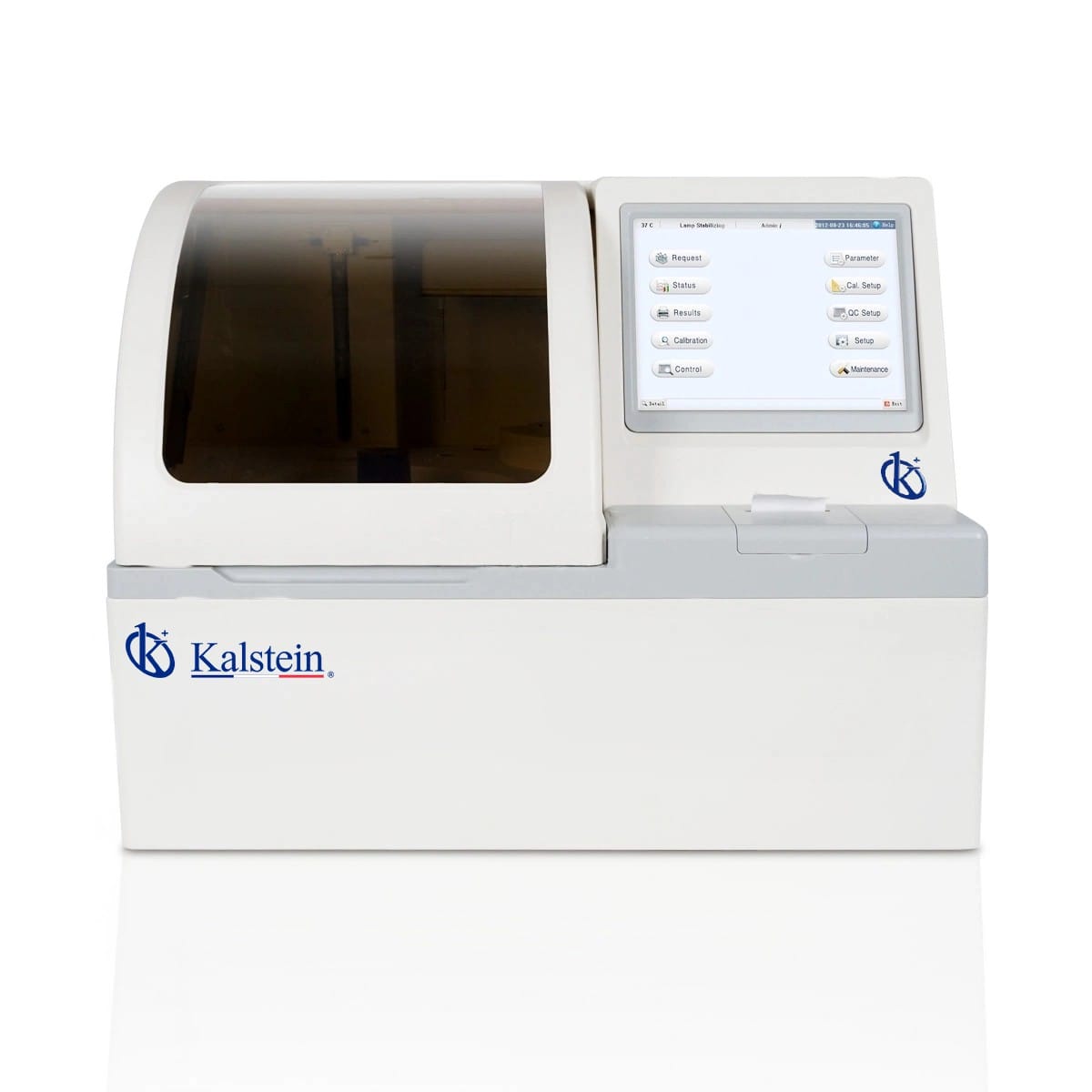
Integrating Veterinary Chemistry Analyzers with LIMS: A Comprehensive Guide
In veterinary medicine, the integration of laboratory information management systems (LIMS) with veterinary chemistry analyzers has become increasingly important. This integration streamlines workflows and improves data accuracy, benefiting both the clinicians and the pets they serve. This guide explores various veterinary chemistry analyzers, their capabilities, and how they facilitate LIMS integration.
Understanding the Role of Veterinary Chemistry Analyzers
Veterinary chemistry analyzers are critical in diagnosing animal health. They analyze blood, urine, and other bodily fluids to provide vital information about an animal's health status. The ability to connect these devices to LIMS enhances the data handling process, enabling faster and more reliable results.
Key Benefits of LIMS Integration
Integrating veterinary chemistry analyzers with LIMS provides numerous advantages:
- Improved Data Accuracy: Automating data entry minimizes human error.
- Enhanced Workflow Efficiency: Reduces time spent on data management tasks.
- Real-time Data Access: Allows immediate access to results for better clinical decision-making.
Comparison of Available Models
| Model | Connectivity | Protocols Supported | Integration Effort | Best For |
|---|---|---|---|---|
| YR06168 | USB, RS-232 | HL7, ASTM | Moderate | High-volume labs |
| YR06169 | WiFi | REST | Low | Mobile testing |
| YR06172 | WiFi | Custom | Low | Field usage |
| YR06174 | USB, RS-232 | HL7 | High | Critical care |
| YR06077 | USB | ASTM | Moderate | General practice |
Connecting to LIMS: Technical Considerations
Establishing a successful connection between veterinary chemistry analyzers and LIMS involves several technical considerations. Users must ensure compatibility in terms of data formats and communication protocols. Understanding the specific requirements of each analyzer model is crucial for a seamless integration process.
Common Connection Protocols
Protocols such as HL7 and ASTM are commonly used for data exchange between veterinary chemistry analyzers and LIMS. These standards facilitate the transfer of test results, patient information, and other critical data, ensuring that all systems communicate effectively.
Model-Specific Integration Capabilities
Each veterinary chemistry analyzer has unique capabilities regarding LIMS integration:
- YR06168: Known for high throughput and supports multi-species configurations.
- YR06169: Portable and user-friendly, suitable for on-site diagnostics.
- YR06172: Offers wireless data transmission and is lightweight for easy portability.
- YR06174: Designed for emergency situations with robust data management features.
- YR06077: Provides flexibility in testing parameters, making it adaptable for various practices.
Challenges in LIMS Integration
Despite the benefits, integrating veterinary chemistry analyzers with LIMS can pose challenges. Issues such as data format mismatches, connectivity problems, and the need for specialized knowledge can hinder the process. It is vital to address these challenges early in the planning stages to ensure a successful deployment.
Common Mistakes and How to Avoid Them
Some common mistakes include inadequate training for staff, neglecting to test integrations before going live, and overlooking data security measures. To avoid these pitfalls, ensure comprehensive training, conduct extensive testing, and prioritize data protection protocols throughout the integration process.
Frequently Asked Questions
What are the key benefits of integrating a veterinary chemistry analyzer with LIMS?
Integrating a veterinary chemistry analyzer, like model YR06168, with LIMS enhances data accuracy and streamlines workflows, reducing errors and providing real-time access to test results, significantly improving clinical decision-making.
How can I ensure a seamless integration of my veterinary chemistry analyzer with LIMS?
To ensure seamless integration, select a model with compatible communication protocols, such as YR06169, and conduct thorough testing of the connection to align data formats and ensure all systems can effectively communicate.
What common mistakes should I avoid during LIMS integration for veterinary analyzers?
Avoid common mistakes such as lack of staff training and insufficient testing of the integration process. For example, ensure your team is familiar with the YR06174's features and data handling capabilities before going live.
How does the connectivity of a veterinary chemistry analyzer impact its integration with LIMS?
The connectivity options of a model like YR06172, which offers WiFi support, significantly enhance its integration capabilities, allowing for more flexible data management and real-time access to results within the LIMS framework.
What factors should I consider when selecting a veterinary chemistry analyzer for LIMS integration?
Consider factors such as the model's compatibility with your current LIMS, data exchange protocols like HL7, and the specific testing needs of your practice. Models like YR06077 offer versatile testing options that may suit various applications.
How can I train my staff for effective use of an integrated veterinary chemistry analyzer?
Training should focus on familiarizing staff with the specific features and functionalities of the analyzer, such as the YR06169's touch screen interface, and ensuring they understand how to navigate the LIMS for data management tasks.
What are the best practices for maintaining data security during LIMS integration?
Implementing strong access controls, encryption for data transmission, and regular audits are critical for maintaining data security. Ensure your veterinary chemistry analyzer, like the YR06174, complies with these security protocols to protect sensitive clinical data.
How does LIMS integration improve the efficiency of veterinary laboratories?
LIMS integration improves efficiency by automating data entry and management processes, allowing veterinary laboratories to handle higher test volumes with reduced human error – exemplified by models like YR06168 that offer high throughput capabilities.
If you are looking for a fusion of innovation and quality, you have come to the right place. At Kalstein, we offer you the luxury of exploring our exclusive catalog of laboratory equipment. We manufacture every device to the highest standards of excellence. Our intuitive and seamless online purchasing channels are designed for your convenience, securing the most competitive prices. Hesitate no longer — we bring science to life, it is time to become part of our community.