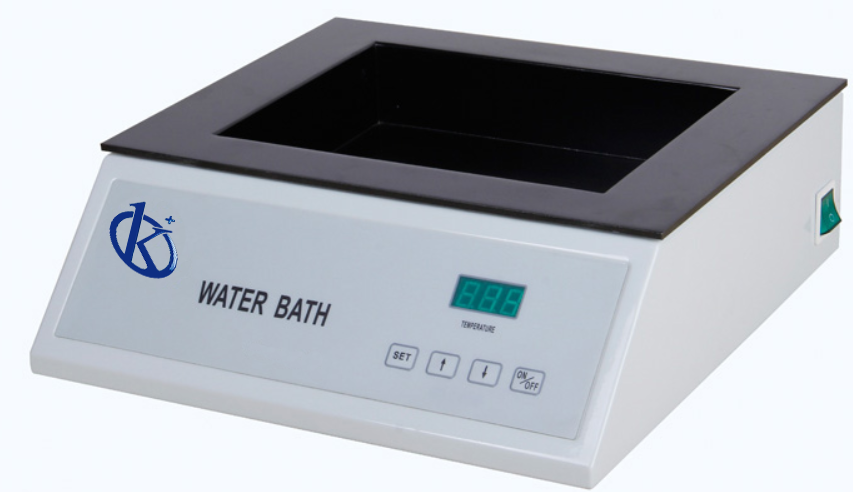
Integrating Tissue Water Baths with LIMS: Maximizing Data Flow in Laboratories
Tissue water baths play a critical role in the preparation and analysis of biological samples, particularly in pathological anatomy. As laboratories increasingly adopt laboratory information management systems (LIMS), the importance of integrating these water baths with such systems cannot be overstated. This article delves into the benefits and methodologies of LIMS integration, focusing on how it streamlines data flow, enhances operational efficiency, and ensures compliance with industry standards.
Understanding Tissue Water Baths and Their Importance
Tissue water baths are essential for maintaining optimal temperatures for tissue samples during the embedding process, influencing the quality of histological slides. Maintaining precise temperature control is crucial to avoid sample degradation. The integration of these devices with LIMS enhances tracking and management of sample data, leading to improved workflow and reduced errors.
Key Benefits of LIMS Integration for Tissue Water Baths
Integrating tissue water baths with LIMS offers several key advantages, including:
- Enhanced Data Tracking: Real-time data logging and monitoring increase visibility into sample conditions.
- Improved Compliance: Facilitates adherence to regulatory requirements and quality standards.
- Optimized Workflow: Streamlines processes and reduces manual data entry, minimizing the risk of human error.
- Data Analysis: Enables advanced analytics and reporting capabilities that can drive laboratory improvements.
Connectivity Protocols in LIMS Integration
For successful integration, understanding the connectivity protocols is essential. Common protocols include HL7, ASTM, and REST. These enable seamless communication between tissue water baths and LIMS, ensuring data flows efficiently, from temperature monitoring to sample tracking. Specific devices are designed to support these protocols, enhancing compatibility and ease of use.
Comparison of Available Models
| Model | Temperature Range | Precision Control | Power (W) | Integration Capability | Best For |
|---|---|---|---|---|---|
| YR449 | RT to 90℃ | ±1℃ | 200 | Supports LIMS integration | High-volume histology labs |
| YR451 | 0 to 85℃ | ±1℃ | 400 | Compatible with data management systems | Research facilities |
| YR452 | RT to 75℃ | ±1℃ | 500 | Integrates with LIMS effortlessly | Clinical diagnostic labs |
Common Mistakes and How to Avoid Them
When integrating tissue water baths with LIMS, laboratories often encounter pitfalls. Common mistakes include:
- Neglecting Compatibility: Ensure the tissue water bath supports the chosen LIMS protocol.
- Inadequate Training: Staff should receive proper training to ensure effective use and troubleshooting.
- Ignoring Data Security: Implement measures to protect sensitive data during integration.
By addressing these issues, labs can enhance integration efficiency and minimize disruptions.
Frequently Asked Questions
What connectivity protocols should I consider for integrating tissue water baths with LIMS?
Protocols like HL7 and ASTM are essential when integrating devices like the YR449 tissue water bath with LIMS. These protocols facilitate smooth data flow and ensure compliance with industry standards.
How can I ensure my tissue water bath maintains optimal temperature for sample safety?
Models such as YR451 feature precision control of ±1℃, which helps maintain optimal temperatures for sensitive samples. Regular calibration and monitoring through LIMS ensure consistent performance.
What are the benefits of using the YR452 tissue water bath in a clinical lab setting?
The YR452 offers a temperature range of RT to 75℃ with LIMS integration capabilities, making it ideal for clinical diagnostics. It streamlines workflow and improves data management significantly.
How does LIMS integration affect data accuracy in laboratories?
LIMS integration improves data accuracy by automating data collection from devices like the YR449, reducing manual input mistakes and ensuring real-time monitoring of sample conditions.
What features should I look for in a tissue water bath for LIMS compatibility?
Look for features like support for standard connectivity protocols, precision temperature control, and automatic data logging. The YR451 excels in these areas, ensuring seamless integration with LIMS.
How does integrating tissue water baths with LIMS enhance laboratory compliance?
Integration facilitates adherence to regulatory requirements by ensuring accurate record-keeping and traceability of sample conditions. This is essential for compliance with standards such as ISO 17025.
What is the expected ROI from integrating LIMS with tissue water baths?
The ROI can be significant, with reduced errors and improved throughput, particularly for high-volume models like YR452. Labs can expect quicker turnaround times, ultimately saving costs.
Why is temperature monitoring critical in tissue processing labs?
Maintaining precise temperatures, facilitated by models like YR449, prevents sample degradation and ensures high-quality histological outcomes, which is crucial for reliable diagnostic results.
If you are looking for a fusion of innovation and quality, you have come to the right place. At Kalstein, we offer you the luxury of exploring our exclusive catalog of laboratory equipment. We manufacture every device to the highest standards of excellence. Our intuitive and seamless online purchasing channels are designed for your convenience, securing the most competitive prices. Hesitate no longer — we bring science to life, it is time to become part of our community.