Integrating COD/BOD Analyzers with LIMS: Enhancing Data Workflow Efficiency
In today's rapidly advancing laboratory environments, the integration of COD (Chemical Oxygen Demand) and BOD (Biochemical Oxygen Demand) analyzers with Laboratory Information Management Systems (LIMS) is becoming imperative. This integration not only facilitates a streamlined workflow but also enhances data accuracy and accessibility. By exploring the unique features of various models in the COD/BOD analyzer category, laboratories can make informed decisions that align with their operational goals and compliance requirements.
Understanding the Importance of LIMS Integration
Laboratories handling water quality analysis must manage vast amounts of data generated by COD and BOD testing. Integrating these analyzers with LIMS allows for real-time data tracking, automated reporting, and improved sample management. This results in reduced errors, enhanced traceability, and effective data sharing across different departments. The growing focus on compliance with international standards, such as ISO 17025, further emphasizes the need for digitalized and efficient workflows.
Overview of COD/BOD Analyzers
COD/BOD analyzers are essential for measuring the oxygen demand of water and wastewater samples, thus determining their organic pollutant levels. These measurements are crucial for environmental monitoring and regulatory compliance. The following models represent a variety of features and capabilities tailored for both portable and stationary laboratory settings:
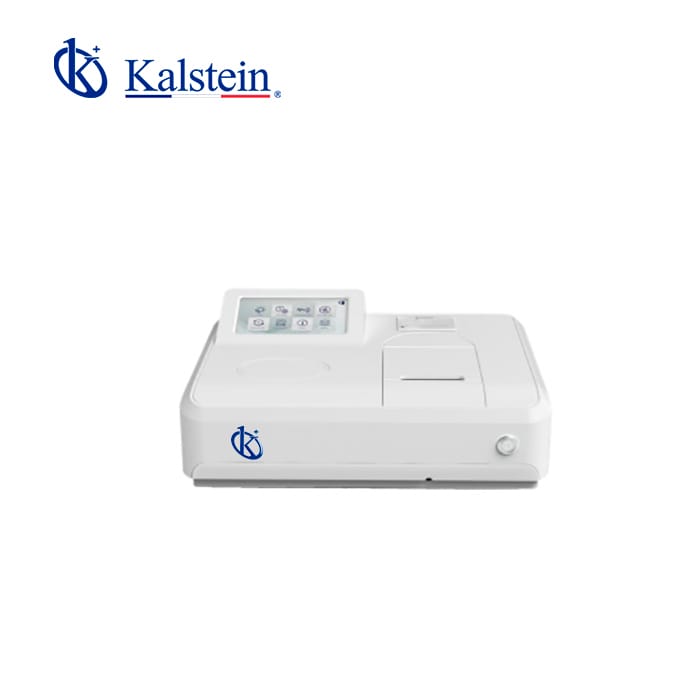
- COD Analyzer YR06295: Advanced device for precise COD measurements with user-friendly touchscreen interface.
- COD Analyzer Portable YR06296: Compact and portable, ideal for field applications.
- BOD Analyzer YR06297: Pioneering technology that automates BOD testing, allowing for multiple samples without interference.
- Digestion Instrument YR06298: Versatile digestion device essential for sample preparation in COD/BOD analysis.
Comparison of Available Models
| Model | Measurement Type | Integration Capability | Best For |
|---|---|---|---|
| YR06295 | COD | Supports LIMS via USB | Laboratories requiring high precision |
| YR06296 | Portable COD | Compatible with mobile LIMS | Field testing and remote analysis |
| YR06297 | BOD | Data transfer to LIMS | High-throughput labs |
| YR06298 | Digestion | Integration-ready | Sample preparation for COD/BOD |
Connectivity Protocols for LIMS Integration
Successful LIMS integration requires understanding the connectivity protocols supported by each model. For instance, the COD Analyzer YR06295 utilizes USB for direct data transfer, while the BOD Analyzer YR06297 may support more extensive networking capabilities connecting to various LIMS systems. Establishing a seamless interface helps ensure data integrity and operational efficiency.
Data Digitalization Benefits
Digitalizing data flow through LIMS integration minimizes human error and enhances data capture efficiency. Automated data entry from the COD/BOD analyzers allows for real-time monitoring and immediate reporting. This is critical for compliance with regulatory standards, as data can be analyzed and retrieved swiftly, ensuring timely responses to quality control issues.
Common Mistakes and How to Avoid Them
When integrating COD/BOD analyzers with LIMS, laboratories often make common errors that can hinder effectiveness. Here are some pitfalls to avoid:
- Neglecting to assess compatibility: Ensure that the analyzer's connectivity features align with the LIMS being utilized.
- Overlooking user training: Staff should be adequately trained to use both the analyzers and LIMS effectively.
- Ignoring data integrity: Implement robust data management practices to maintain accurate and reliable records.
Frequently Asked Questions
How can LIMS integration improve the efficiency of COD/BOD analysis?
LIMS integration can significantly enhance the efficiency of COD/BOD analysis by automating data collection and reporting. For instance, the COD Analyzer YR06295 facilitates direct data transfer to the LIMS, reducing manual entry errors and expediting the reporting process.
What are the key features to look for in a COD/BOD analyzer for laboratory integration?
Key features to consider include connectivity options, measurement range, and user interface. The BOD Analyzer YR06297, for example, offers automated testing with multiple channels, making it ideal for high-throughput labs needing integration with LIMS.
Which COD/BOD analyzers provide real-time data tracking with LIMS?
Models like the COD Analyzer YR06295 and BOD Analyzer YR06297 support real-time data tracking with LIMS through USB connections, allowing for immediate data capture and analysis essential for regulatory compliance.
What is the importance of temperature control in COD/BOD analysis with LIMS?
Temperature control is critical for accurate COD/BOD analysis. Proper temperature management ensures the reliability of results. The Digestion Instrument YR06298 provides precise temperature settings, making it suitable for integration in LIMS environments that demand accuracy.
How does LIMS integration enhance compliance monitoring in laboratories?
LIMS integration streamlines compliance monitoring by providing automated records of all tests performed. For instance, the COD Analyzer Portable YR06296 allows users to track compliance-related data effectively and ensure adherence to standards.
What are the potential cost savings from using LIMS-integrated COD/BOD analyzers?
Integrating COD/BOD analyzers with LIMS can lead to substantial cost savings through reduced labor costs and improved data management. For example, the BOD Analyzer YR06297 automates sample analysis, decreasing the need for continuous supervision and effectively lowering operational expenses.
Which protocols are essential for LIMS integration of COD/BOD analyzers?
Essential protocols for LIMS integration may include ASTM, HL7, and REST APIs, which facilitate smooth data transfer. The COD Analyzer YR06295 offers USB connectivity, making it compatible with various LIMS that utilize these protocols.
How can laboratories ensure successful integration of COD analyzers with LIMS?
To ensure successful integration, laboratories should conduct thorough compatibility assessments and provide comprehensive training for staff. Additionally, analyzing data management workflows, such as with the Digestion Instrument YR06298, can enhance integration outcomes.
If you are looking for a fusion of innovation and quality, you have come to the right place. At Kalstein, we offer you the luxury of exploring our exclusive catalog of laboratory equipment. We manufacture every device to the highest standards of excellence. Our intuitive and seamless online purchasing channels are designed for your convenience, securing the most competitive prices. Hesitate no longer — we bring science to life, it is time to become part of our community.