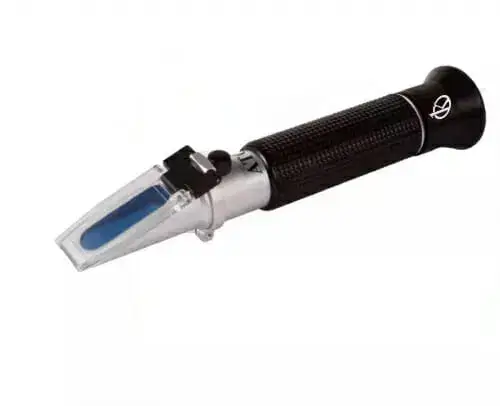
How to Integrate Wine Refractometers with LIMS for Enhanced Data Workflow
The integration of wine refractometers with Laboratory Information Management Systems (LIMS) is an essential enhancement for laboratories aiming to streamline their data workflows. This article focuses on integrating various models of wine refractometers, highlighting their unique features and advantages in the context of a digitalized laboratory environment.
Understanding Wine Refractometers and Their Role in Data Management
Wine refractometers are precision instruments used to measure the sugar content in grape juice and wine, providing real-time data that is critical for winemaking processes. Each model offers distinct measurement capabilities and features, making them indispensable in both production and laboratory settings. The integration of these tools with LIMS enables efficient data handling, traceability, and compliance with industry standards.
Benefits of Integrating Wine Refractometers with LIMS
Integrating wine refractometers with LIMS provides numerous benefits, including improved data accuracy, enhanced workflow efficiency, and better compliance with regulatory requirements. By automating data entry and analysis, laboratories can minimize human error and ensure that critical data is readily available for decision-making. Furthermore, this integration supports compliance with ISO standards, fostering greater accountability and quality assurance.
Key Features of Wine Refractometers in the Context of LIMS Integration
Each refractometer model offers unique features that align with the requirements of LIMS integration. The following models will be examined:
- Wine Refractometer YR05931: Excellent for alcohol content measurement, equipped with automatic temperature compensation (ATC) for accurate results.
- Wine Refractometer YR05932: Dual scale for specific gravity and brix measurements, ideal for detailed analysis.
- Wine Refractometer YR05933: Versatile with a broad measurement range, suitable for various winemaking stages.
- Wine Refractometer YR05934: Specialized for lower brix measurements, perfect for specialized applications.
- Wine Refractometer YR05935: Compact design with essential features for portability and ease of use.
- Wine Refractometer YR05936: Advanced model offering superior measurement precision and reliability.
Comparison of Available Models
| Model Code | Measurement Range | Min. Division | Precision | ATC | Best for |
|---|---|---|---|---|---|
| YR05931 | 0-80% v/v | 1% v/v | ±1% v/v | No | Alcohol measurement |
| YR05932 | 0-25% Vol, 0-40% Brix | 0.2% Vol, 0.2% Brix | ±0.2% Vol, ±0.2% Brix | Yes | Dual analysis |
| YR05933 | 0-25% Vol, 0-170 °Oe | 0.2% Vol, 1° Oe | ±0.2% Vol, ±1° Oe | Yes | Versatile applications |
| YR05934 | 0-20° Baumé, 0-25% Vol | 0.2° Baumé, 0.2% Vol | ±0.2° Baumé, ± | Yes | Specialized uses |
| YR05935 | 0-25% Vol | 0.2% Vol | ±0.2% Vol | Yes | Portability |
| YR05936 | 0-25% Vol | 0.2% Vol | ±0.2% Vol | Yes | Precision |
Common Mistakes and How to Avoid Them
When integrating wine refractometers with LIMS, common mistakes include improper calibration, neglecting data security measures, and failing to train staff adequately on using the integrated system. It is crucial to establish a regular calibration schedule, ensure compliance with data protection regulations, and provide comprehensive training to all laboratory personnel to maximize the benefits of integration.
Best Practices for LIMS Integration
To achieve optimal results from LIMS integration, laboratories should follow best practices such as selecting the right connectivity protocols, ensuring compatibility between devices, and conducting thorough testing of the integration process. Utilizing established protocols such as HL7 or ASTM can facilitate smoother data transfer and interoperability.
Future Trends in Wine Refractometers and LIMS Integration
The future of wine refractometers and LIMS integration is leaning towards greater automation and artificial intelligence applications. These advancements will enhance data analytics capabilities, provide predictive insights, and allow for real-time monitoring, which will significantly improve laboratory efficiency and decision-making processes.
Frequently Asked Questions
How can I integrate wine refractometers with LIMS effectively?
Integrating wine refractometers like YR05932 with LIMS requires using compatible connectivity protocols such as HL7. Establish a standard data format for seamless communication and ensure that staff is trained on the new system to maximize efficiency.
Which wine refractometer model is best for automated data capture?
The Wine Refractometer YR05936 is best suited for automated data capture, offering advanced features that facilitate integration with LIMS. Its precise measurements can be easily recorded in LIMS, enhancing data accuracy.
What are the key advantages of using ATC in wine refractometers?
Using ATC, as seen in models like YR05932, allows for accurate measurements regardless of ambient temperature changes. This leads to consistent and reliable data essential for compliance with industry standards.
How do I ensure data accuracy in wine analysis?
To ensure data accuracy, calibrate the Wine Refractometer YR05931 regularly and integrate it with LIMS for real-time data monitoring. This reduces human error and aligns with quality control protocols.
What compliance standards do wine refractometers help meet?
Wine refractometers, such as YR05933, assist in meeting ISO/IEC compliance standards by ensuring precise measurements crucial for quality assurance processes in winemaking.
How does LIMS improve data workflow in wine laboratories?
LIMS enhances data workflow by automating data entry from models like the YR05934, allowing for quicker access to real-time analytics and facilitating decision-making in the winemaking process.
What features should I look for in a wine refractometer for integration?
Look for models such as YR05936 that offer ATC, ease of data transfer, and compatibility with LIMS. These features improve data reliability and support efficient workflows.
How can I manage multiple refractometer models in a LIMS?
Managing multiple refractometer models in a LIMS requires creating standardized data fields for each model, such as YR05931 and YR05932, ensuring each model's unique parameters are captured effectively.
If you are looking for a fusion of innovation and quality, you have come to the right place. At Kalstein, we offer you the luxury of exploring our exclusive catalog of laboratory equipment. We manufacture every device to the highest standards of excellence. Our intuitive and seamless online purchasing channels are designed for your convenience, securing the most competitive prices. Hesitate no longer — we bring science to life, it is time to become part of our community.