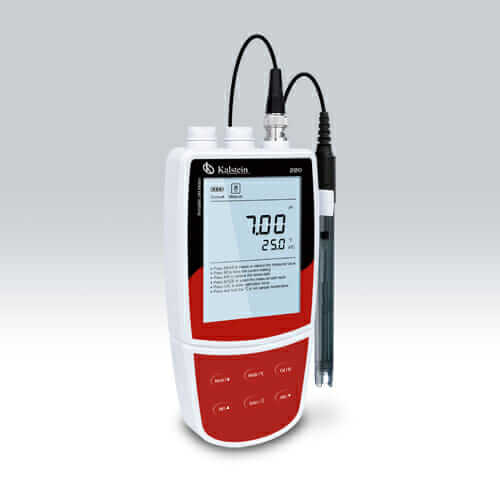
How to Integrate Table pH Meters with LIMS for Data Digitalization
In modern laboratory environments, the integration of instruments like table pH meters with Laboratory Information Management Systems (LIMS) is essential for optimizing workflows and ensuring accurate data management. This comprehensive guide delves into the advantages of this integration, the specific models available in the table pH meter family, and common pitfalls to avoid during implementation.
Understanding the Importance of Integration
Integrating table pH meters with LIMS offers numerous benefits, including improved data accuracy, enhanced efficiency in operations, and streamlined reporting processes. By automating data collection and analysis, laboratories can minimize human error and increase productivity. Furthermore, the ability to access real-time data aids in informed decision-making and regulatory compliance.
Comparison of Available Models
| Model | pH Range | Resolution | Accuracy | Calibration Points | Price (USD) |
|---|---|---|---|---|---|
| YR0220A | -2.00~20.00 pH | 0.01 pH | ±0.01 pH | 1 to 3 points | 155.00 |
| YR01822 | -2.00~20.00 pH | ±0.02 pH | ±0.002 pH | 1 to 3 points | 215.00 |
| YR01825 | -2.00~20.00 pH | 0.01/0.001 pH | ±0.002 pH | 1 to 3 points | 335.00 |
| YR01823-2 | -2.00~20.00 pH | 0.001 pH | ±0.002 pH | 1 to 5 points | 315.00 |
| YR01823 | -2.00~20.00 pH | 0.1/0.01 pH | ±0.02 pH | 1 to 3 points | 285.00 |
| YR01826 | -2.00~19.999 pH | 0.1/0.01 pH | ±0.02 pH | 1 to 3 points | 199.00 |
Key Features of Each Model in Context of LIMS Integration
When considering table pH meters for integration with LIMS, each model offers distinct advantages. For instance, the YR0220A, with its automatic temperature compensation, provides precise readings essential for compliance with regulatory standards. Meanwhile, the YR01822 supports data storage and USB output, enabling effortless data transfer to LIMS systems. Understanding these features allows laboratories to select the best model suited for their integration needs.
Establishing Connectivity Protocols
Successful integration of table pH meters with LIMS requires a solid understanding of connectivity protocols such as ASTM and HL7. These standards facilitate the smooth transfer of data between instruments and LIMS, ensuring that all measurements are recorded accurately in real-time. For example, the YR01825’s robust capabilities can be enhanced through these protocols, simplifying the calibration and reporting processes.
Validation Steps for LIMS Integration
To ensure a seamless integration of table pH meters with LIMS, laboratories must follow specific validation steps. These include assessing the compatibility of the pH meter with the LIMS software, testing the data transfer process, and confirming that all readings are accurately documented. Implementing a pilot program with models like the YR01823 can provide insights into the integration process and help troubleshoot potential issues early on.
Common Mistakes and How to Avoid Them
Many laboratories encounter challenges when integrating table pH meters with LIMS. Common mistakes include inadequate training for staff, failure to establish clear protocols for data entry, and neglecting periodic calibration of the equipment. By proactively addressing these issues and utilizing models such as the YR01826 that offer intuitive interfaces, laboratories can avoid these pitfalls and streamline their operations effectively.
Ensuring Data Integrity and Security
Data integrity is a critical aspect of laboratory operations, and integrating table pH meters with LIMS plays a vital role in maintaining this integrity. Implementing robust cybersecurity measures and regularly auditing the data management processes can help safeguard sensitive information. The automatic diagnostic features of the YR01822 assist in identifying discrepancies, which is crucial for maintaining data quality.
Future Trends in LIMS Integration
The future of laboratory data management lies in advanced integration technologies. Emerging trends include increased automation, the use of artificial intelligence for data analysis, and improved interfaces for user interaction. As new models of table pH meters are developed, such as those featuring enhanced wireless capabilities, laboratories will need to adapt their LIMS integration strategies to leverage these advancements.
Frequently Asked Questions
How can I ensure my pH meter complies with LIMS integration standards?
To ensure compliance, select models like the YR0220A that support ASTM protocols for data transfer and automate calibration processes, ensuring consistent accuracy in measurements.
What are the key features for integrating table pH meters into LIMS?
Key features include automatic temperature compensation, data storage capabilities, and compatibility with common connectivity protocols, which are well-supported in models like the YR01825.
Which table pH meters provide the best data accuracy for LIMS integration?
Models such as the YR01823-2 offer high accuracy of ±0.002 pH, making them ideal for laboratories requiring precise data for LIMS integration.
How do I set up LIMS integration for my pH meter?
Begin by verifying protocol compatibility, testing data transfer using a model like the YR01826, and training staff on data management practices to ensure smooth integration.
What are the common challenges in integrating table pH meters with LIMS?
Common challenges include inadequate training, data entry errors, and calibration neglect, which can be mitigated by selecting user-friendly models like the YR01822.
How can I reduce data errors during LIMS integration?
Utilizing models with advanced diagnostic features, such as the YR01825, can help identify and rectify discrepancies, reducing data errors significantly.
What should I consider when choosing a table pH meter for LIMS integration?
Consider factors like connectivity protocols, data accuracy, and additional features such as automatic calibration found in models like the YR01823.
How often should I calibrate my table pH meter for optimal LIMS performance?
Calibration frequency should be aligned with laboratory protocols; models like the YR01823 suggest calibration every 1 to 3 days based on usage intensity.
If you are looking for a fusion of innovation and quality, you have come to the right place. At Kalstein, we offer you the luxury of exploring our exclusive catalog of laboratory equipment. We manufacture every device to the highest standards of excellence. Our intuitive and seamless online purchasing channels are designed for your convenience, securing the most competitive prices. Hesitate no longer — we bring science to life, it is time to become part of our community.