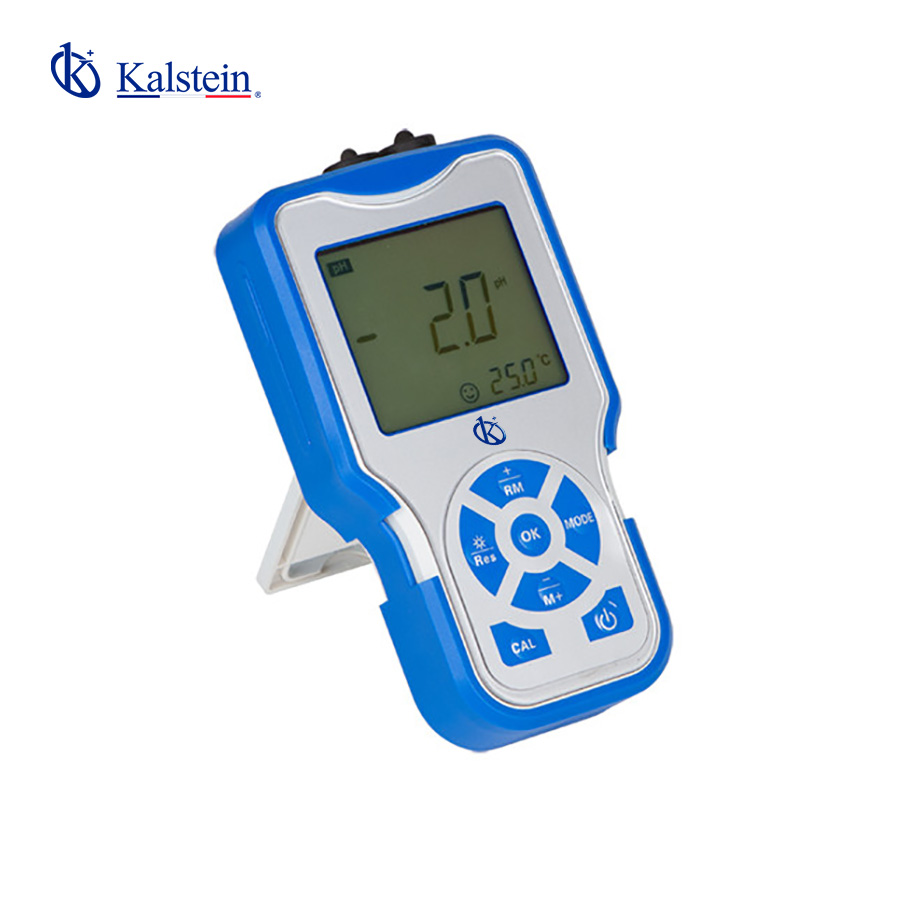
How to Integrate Portable Ion Meters with LIMS for Enhanced Data Workflow
In the ever-evolving landscape of laboratory technology, the seamless integration of instruments with Laboratory Information Management Systems (LIMS) is vital for optimizing data management and enhancing workflow efficiency. Portable ion meters are key players in this integration process, providing accurate real-time data that can be digitally recorded, analyzed, and processed, enabling laboratories to make informed decisions quickly. This article explores how to effectively integrate these devices with LIMS to streamline operations.
Understanding the Importance of LIMS Integration
The integration of portable ion meters with LIMS offers numerous benefits, including improved data accuracy, enhanced traceability, and efficient data retrieval. LIMS helps manage laboratory samples, associated data, and workflows, making it essential for laboratories to adopt these systems to handle increased data volumes and complexity. Implementing a robust integration can significantly reduce manual data entry errors and provide real-time insights.
Key Connectivity Protocols for Portable Ion Meters
To ensure successful integration, understanding the various connectivity protocols applicable to portable ion meters is crucial. Common protocols include ASTM, HL7, and RESTful interfaces. These protocols facilitate bidirectional data exchange between the portable ion meters and LIMS, ensuring that all measurements are recorded accurately and promptly.
ASTM Protocols
ASTM protocols are widely recognized standards for data exchange in laboratories. They support the transfer of measurement data in a consistent format, ensuring compatibility with various LIMS systems. This is particularly important for laboratories that conduct regulated tests requiring meticulous documentation.
HL7 Protocols
HL7 protocols are primarily used in healthcare settings for the exchange of clinical information. When applied to portable ion meters, they enable seamless integration with patient data management systems, enhancing the accuracy of test results related to patient samples.
RESTful Interfaces
RESTful APIs allow for flexible and scalable integration options. With portable ion meters that support REST, laboratories can implement custom solutions that fit their specific workflow needs, from mobile applications to cloud data storage.
Effective Data Management Strategies
To maximize the benefits of integrating portable ion meters with LIMS, laboratories should develop effective data management strategies. This includes establishing clear data entry protocols, ensuring that all measurements are properly logged, and maintaining data integrity throughout the testing process.
Comparison of Available Models
| Model | Calibration Points | Measurement Range | Precision | Best For |
|---|---|---|---|---|
| YR01816 | 2 to 5 points | -2.000 to 20.000 pH | ± 0.002 pH | General laboratory use |
| YR01817-1 | 2 to 5 points | 5 × 10⁻⁶ to 1 M | ± 0.5% FS | Environmental monitoring |
| YR01817-10 | 2 to 5 points | 5 × 10⁻⁶ to 1 M | ± 0.5% FS | Field testing applications |
| YR01817-11 | 2 to 5 points | 5 × 10⁻⁶ to 1 M | ± 0.5% FS | Research applications |
| YR01817-12 | 2 to 5 points | 5 × 10⁻⁶ to 1 M | ± 0.5% FS | Quality control |
| YR01817-13 | 2 to 5 points | 5 × 10⁻⁶ to 1 M | ± 0.5% FS | Industrial applications |
Common Mistakes and How to Avoid Them
When integrating portable ion meters with LIMS, common mistakes can hinder efficiency. One frequent error is failing to verify compatibility between hardware and software. Always check the specifications of the portable ion meter to ensure it supports the necessary connectivity protocols. Another mistake is neglecting user training; ensuring that lab personnel are well-trained to utilize the LIMS and portable ion meter effectively is critical for success.
Maximizing Efficiency through Automation
Automation is key to optimizing laboratory workflows. By automating data transfer from portable ion meters to LIMS, laboratories can significantly reduce the time spent on manual data entry. This not only enhances accuracy but also allows laboratory technicians to allocate their time to more critical tasks. Employing middleware solutions can facilitate this automation process, bridging the gap between the devices and the LIMS.
Best Practices for Setting Up Integration
To ensure a smooth integration process, follow these best practices:
- Conduct a thorough requirements analysis before implementation.
- Engage IT specialists to assist with system configurations.
- Implement a pilot program to test integration before full deployment.
- Regularly review and update integration protocols to accommodate technological advancements.
Frequently Asked Questions
How can I ensure my portable ion meter integrates seamlessly with LIMS?
To ensure seamless integration, verify that your portable ion meter, like the YR01816, supports necessary protocols such as ASTM or RESTful APIs. Conduct compatibility tests before full implementation to mitigate potential issues.
Which portable ion meters are suitable for environmental monitoring?
The YR01817-1 portable ammonium ion meter is particularly suitable for environmental monitoring, offering a measurement range from 5 × 10⁻⁶ to 1 M and precision of ± 0.5% FS, which is essential for accurate field readings.
What are the common challenges faced during LIMS integration?
Common challenges include compatibility issues between the portable ion meter and LIMS software, as well as inadequate training for staff. It's vital to ensure that both hardware and personnel are adequately prepared for integration.
How can data integrity be maintained during integration?
Data integrity can be maintained by implementing strict data entry protocols, regular audits, and utilizing automated data transfer solutions. Using models like the YR01816 enhances accuracy during this process.
What protocols should I consider for integrating portable ion meters with LIMS?
Consider using ASTM and HL7 protocols for integrating portable ion meters with LIMS, as they ensure standardized data formats and compatibility, facilitating smoother data management processes.
How does portable ion meter calibration affect integration with LIMS?
Proper calibration of portable ion meters, such as the YR01816, ensures that accurate data is recorded in the LIMS. Regular calibration checks preserve data quality and support compliance with regulatory standards.
What is the cost implication of integrating portable ion meters with LIMS?
The cost can vary depending on the chosen portable ion meter model and LIMS software. Budgeting should include both initial setup costs and ongoing maintenance to ensure a sustainable integration.
How does integration improve laboratory productivity?
Integration improves laboratory productivity by automating data entry, reducing manual errors, and streamlining workflows, allowing laboratory personnel to focus on higher-value tasks and improving turnaround times.
If you are looking for a fusion of innovation and quality, you have come to the right place. At Kalstein, we offer you the luxury of exploring our exclusive catalog of laboratory equipment. We manufacture every device to the highest standards of excellence. Our intuitive and seamless online purchasing channels are designed for your convenience, securing the most competitive prices. Hesitate no longer — we bring science to life, it is time to become part of our community.