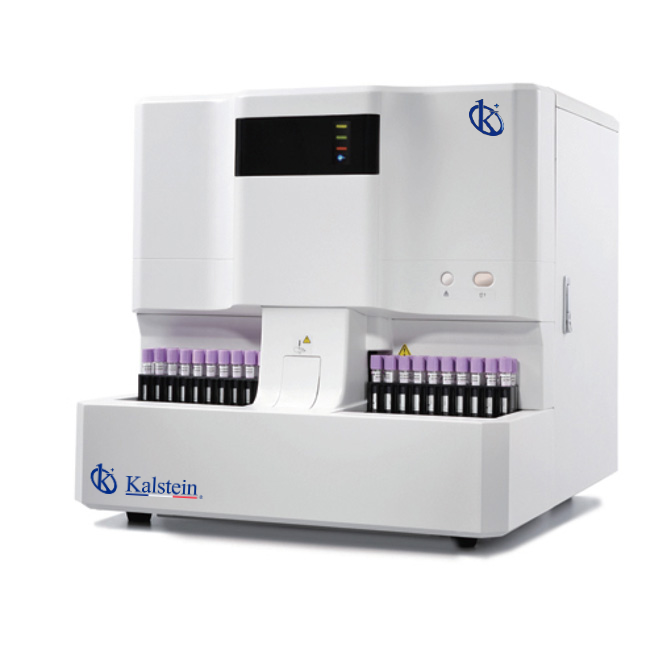
How to Integrate Hematology Analyzers with LIMS for Data Flow Digitalization
In today’s laboratory environment, hematology analyzers play a crucial role in delivering precise blood analysis. However, the rapid integration with Laboratory Information Management Systems (LIMS) is essential for enhancing operational efficiency and ensuring seamless data flow. This article delves into how laboratories can leverage the integration of hematology analyzers with LIMS, focusing on the various models available, their features, and how they contribute to digitalizing data workflows.
Understanding Hematology Analyzers and LIMS Integration
Hematology analyzers are vital for performing blood tests, providing results on blood components such as red blood cells, white blood cells, and platelets. By integrating these analyzers with LIMS, laboratories can automate the data entry process, enhance traceability, and minimize human errors. The combination of these technologies facilitates quicker patient results and improved data management, which is increasingly important in today’s fast-paced medical landscape.
Comparison of Available Models
| Model | Parameters | Sample Throughput (per hour) | LIMS Connectivity | Best For |
|---|---|---|---|---|
| YR06080 | 28 parameters, 2 histograms | 60 samples | Supports bidirectional LIS | High-demand labs |
| YR05123 | 60 samples per hour | 60 samples | HL7 support | Versatile applications |
| YR05122-1 | 29 parameters, 3 histograms | 60 samples | Bidirectional communication | Advanced research settings |
| YR05122 | 20 parameters, 3 histograms | 35 samples | XML standards | Small-to-medium labs |
| YR05121 | 23 parameters | 35 samples | RESTful API | Flexible work environments |
| YR05120 | 20 parameters, 3 histograms | 35 samples | Direct LIMS connection | Cost-effective solutions |
Key Benefits of LIMS Integration with Hematology Analyzers
Integrating LIMS with hematology analyzers offers multiple benefits. First, it enhances data accuracy by eliminating manual entry errors. Second, it provides real-time access to patient data, which is critical for timely medical decisions. Furthermore, it enables better compliance with healthcare regulations by ensuring that data is stored securely and is easily retrievable for audits.
Steps for Successful Integration
1. **Assess Your Needs**: Identify the specific requirements for your laboratory and choose a hematology analyzer that best fits those needs. 2. **Evaluate LIMS Compatibility**: Ensure that the chosen analyzer supports your LIMS system through compatible protocols such as HL7, ASTM, or REST. 3. **Implement Middleware Solutions**: Consider using middleware that can bridge potential gaps between the analyzer and LIMS, ensuring smooth data flow and communication. 4. **Test Data Transfer**: Conduct thorough testing to ensure that data is correctly transmitted and received between devices. 5. **Train Staff**: Provide training for laboratory personnel on how to effectively use the integrated systems to maximize efficiency.
Common Mistakes and How to Avoid Them
One common mistake laboratories make is underestimating the importance of middleware in integration, which can lead to data inconsistencies. Additionally, neglecting to prepare for training can result in underutilization of the system’s capabilities. To avoid these pitfalls, ensure thorough planning, and invest in staff education from the outset.
Frequently Asked Questions
How does LIMS integration improve data accuracy in hematology analysis?
LIMS integration minimizes manual data entry, reducing human error. For example, the YR06080 model allows for bidirectional communication with LIMS, ensuring results are accurately recorded and quickly accessible, thus enhancing overall data integrity.
Which hematology analyzer models support HL7 for LIMS integration?
The YR05123 model is equipped with HL7 support, making it a suitable choice for laboratories looking to implement LIMS integration. This compatibility facilitates seamless data exchange, improving workflow efficiency.
What are the typical protocols used for LIMS integration in hematology analyzers?
Common protocols for LIMS integration include HL7, ASTM, and RESTful APIs. Models like the YR05122-1 support bidirectional communication through these protocols, making them versatile for diverse laboratory settings.
How can I ensure my hematology analyzer meets compliance standards?
Ensure that your hematology analyzer, such as the YR05120, is configured to meet compliance standards by verifying its specifications against current regulations. Regular audits and maintenance also play a role in sustaining compliance.
What factors affect the throughput of hematology analyzers in a LIMS environment?
Throughput can be affected by the analyzer’s specifications, sample handling efficiency, and LIMS integration quality. For instance, the YR06080 has a high sample processing rate of 60 samples per hour, ideal for high-demand labs.
How do I assess the data management capabilities of hematology analyzers?
Evaluate the analyzer's storage capacity, data retrieval features, and integration capabilities with LIMS. The YR05122-1 model, for example, offers storage for up to 100,000 samples, enhancing data management significantly.
What challenges may arise during the integration of LIMS with hematology analyzers?
Challenges may include technical compatibility issues, data migration difficulties, and user resistance to new systems. Employing proper middleware and training can alleviate these issues and facilitate smoother integration.
Which features should I prioritize when selecting a hematology analyzer for LIMS integration?
Focus on connectivity options, sample throughput, compliance with regulatory standards, and user-friendly interfaces. For example, the YR05123 provides high throughput and robust connectivity options, making it an excellent choice for laboratories aiming for efficient data flow.
If you are looking for a fusion of innovation and quality, you have come to the right place. At Kalstein, we offer you the luxury of exploring our exclusive catalog of laboratory equipment. We manufacture every device to the highest standards of excellence. Our intuitive and seamless online purchasing channels are designed for your convenience, securing the most competitive prices. Hesitate no longer — we bring science to life, it is time to become part of our community.