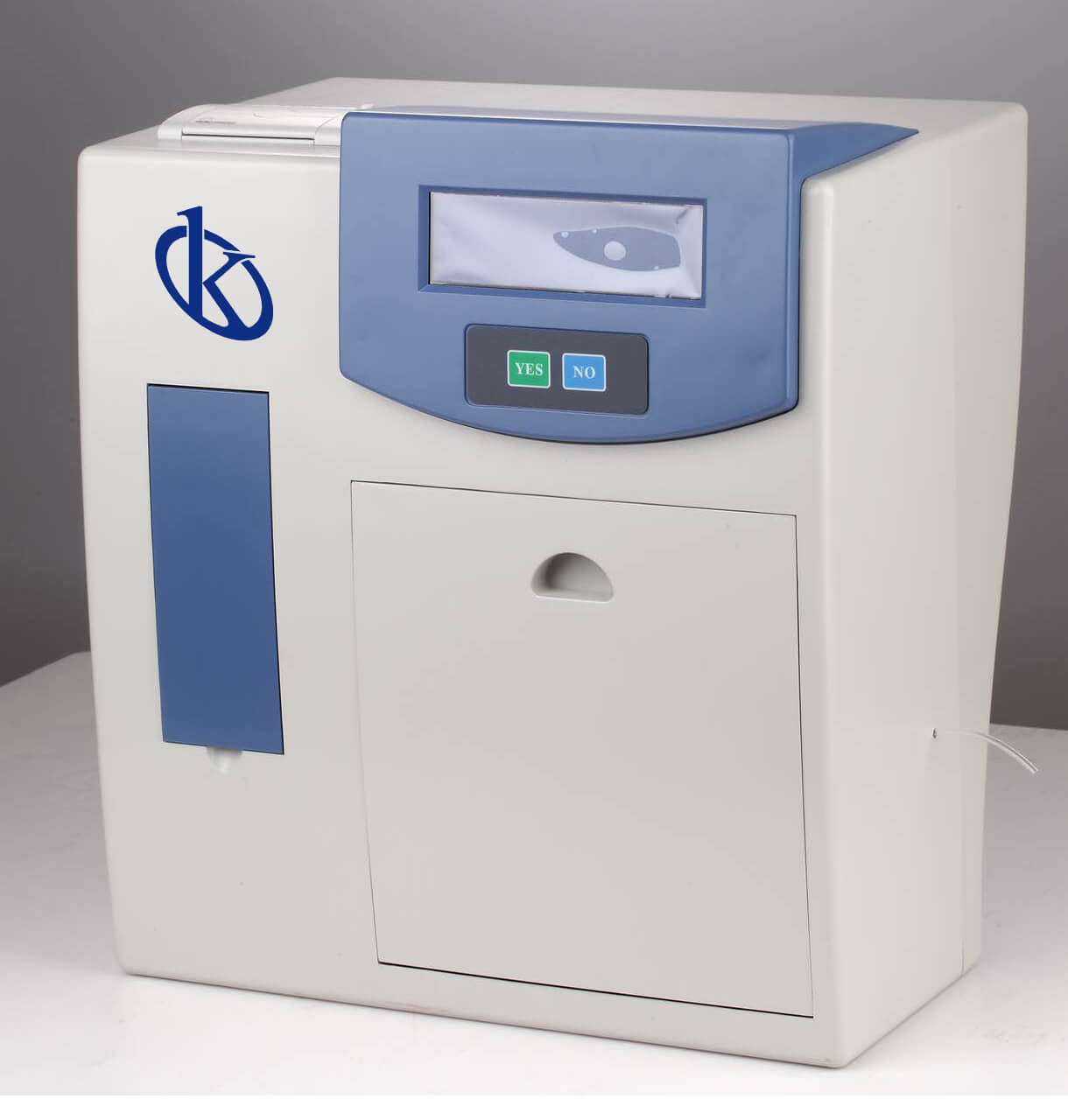
How to Integrate Electrolyte Analyzers with LIMS and Digitalize Data Workflows?
In the fast-paced world of laboratory testing, electrolyte analyzers are crucial for providing accurate results. However, as laboratories increasingly focus on efficiency and data management, the integration of these analyzers with Laboratory Information Management Systems (LIMS) becomes paramount. This article delves into the integration process, benefits, and challenges associated with electrolyte analyzers while focusing on optimizing data workflows.
Electrolyte Analyzers: Enhancing Laboratory Efficiency through LIMS Integration
Electrolyte analyzers are used to measure essential electrolytes in a variety of samples, providing critical information for patient care. The integration of these analyzers into LIMS not only streamlines data management but also enhances accuracy and productivity. By automating data transfer between analyzers and LIMS, laboratories can reduce human error and improve turnaround times for results. This synergy fosters a more efficient laboratory environment.
Understanding LIMS Integration Protocols for Electrolyte Analyzers
Integration with LIMS requires a solid understanding of connectivity protocols. Common protocols include HL7, ASTM, and REST. These protocols facilitate seamless data exchange between the electrolyte analyzers and the LIMS, enabling laboratories to manage their data effectively. For example, the Electrolyte Analyzer YR05169 can be integrated using these protocols to transmit results directly to the LIMS, ensuring real-time data availability.
Key Connectivity Protocols
| Protocol | Description |
|---|---|
| HL7 | A standard for electronic health information exchange. |
| ASTM | A protocol commonly used for laboratory data transfer. |
| REST | A web service protocol for data exchange. |
Benefits of Integrating Electrolyte Analyzers with LIMS
Integrating electrolyte analyzers with LIMS offers numerous benefits. These include improved data accuracy, enhanced workflow efficiency, and reduced turnaround times. With real-time data access, healthcare professionals can make informed decisions quickly, ultimately leading to better patient outcomes. Moreover, automated data entry minimizes the risk of human error and ensures compliance with industry standards.
Challenges in LIMS Integration and How to Overcome Them
While the benefits of LIMS integration are clear, challenges remain. Issues such as software compatibility, user training, and initial setup can hinder the integration process. To address these challenges, laboratories should conduct thorough compatibility assessments and invest in staff training. Additionally, involving IT professionals during the planning phase can help streamline the process and ensure a successful integration.
Comparison of Available Models
| Model | Key Features | Best For |
|---|---|---|
| YR05169 | Automatic correction of electrical potential, real-time diagnostics | High throughput laboratories |
| YR06391 | 7-inch touchscreen, low operating costs | Small to medium labs |
| YR06392 | ISE method, capable of analyzing six elements | Research environments |
| YR06393 | Fast measurement speed, user-friendly interface | Clinical settings |
| YR06394 | Intuitive operation, multiple sample types | Multi-use laboratories |
| YR06395 | Wide measurement range, efficient for large sample volumes | High demand healthcare facilities |
Common Mistakes and How to Avoid Them
When integrating electrolyte analyzers with LIMS, common mistakes include inadequate planning and failure to ensure compatibility between systems. To avoid these issues, laboratories should develop a comprehensive integration plan that includes testing compatibility and addressing user requirements. Regular training sessions and updates can help ensure smooth operation and effective use of the integrated system.
Frequently Asked Questions
How much does it cost to integrate an electrolyte analyzer with LIMS?
The cost of integrating an electrolyte analyzer, such as the YR05169, with LIMS varies based on the complexity and compatibility of the systems involved. Generally, the integration process may range from $5,000 to $20,000, depending on the required infrastructure and training needed.
What are the key benefits of using LIMS with electrolyte analyzers?
Utilizing a LIMS with electrolyte analyzers enhances data accuracy, improves workflow efficiency, and reduces turnaround times for test results. Models like the YR06391 facilitate real-time data access, enabling faster decision-making in clinical settings.
Which electrolyte analyzers are best for high throughput labs?
The Electrolyte Analyzer YR05169 is particularly suited for high throughput labs due to its automatic correction features and real-time diagnostics, making it an efficient choice for busy clinical environments.
How do electrolyte analyzers with LIMS support compliance with industry standards?
Electrolyte analyzers integrated with LIMS, such as the YR06392, help maintain compliance with industry standards by ensuring accurate data capture and reporting, as well as facilitating traceability throughout the testing process.
What training is required for staff when integrating LIMS with electrolyte analyzers?
Staff training should focus on understanding the LIMS interface, data entry protocols, and troubleshooting common issues. Effective training can be facilitated by hands-on sessions and detailed user manuals, especially for systems using models like the YR06393.
How long does it take to complete the integration of LIMS with an electrolyte analyzer?
The integration timeline can vary widely based on the laboratory's existing infrastructure and the complexity of both systems. Typically, the process can take between 1 to 3 months, especially when using advanced models like the YR06395 that require thorough testing and validation.
Can I use multiple electrolyte analyzers with a single LIMS?
Yes, a single LIMS can manage multiple electrolyte analyzers, such as the YR06391 and YR06394. This allows for streamlined data collection and reporting across various testing devices, enhancing overall efficiency.
What troubleshooting measures should I implement for LIMS and electrolyte analyzer integration?
Implementing a comprehensive troubleshooting plan can include regular software updates, periodic testing of data exchange, and user feedback sessions. Models like YR06392 may require specific calibration procedures that should be documented and followed closely.
If you are looking for a fusion of innovation and quality, you have come to the right place. At Kalstein, we offer you the luxury of exploring our exclusive catalog of laboratory equipment. We manufacture every device to the highest standards of excellence. Our intuitive and seamless online purchasing channels are designed for your convenience, securing the most competitive prices. Hesitate no longer — we bring science to life, it is time to become part of our community.