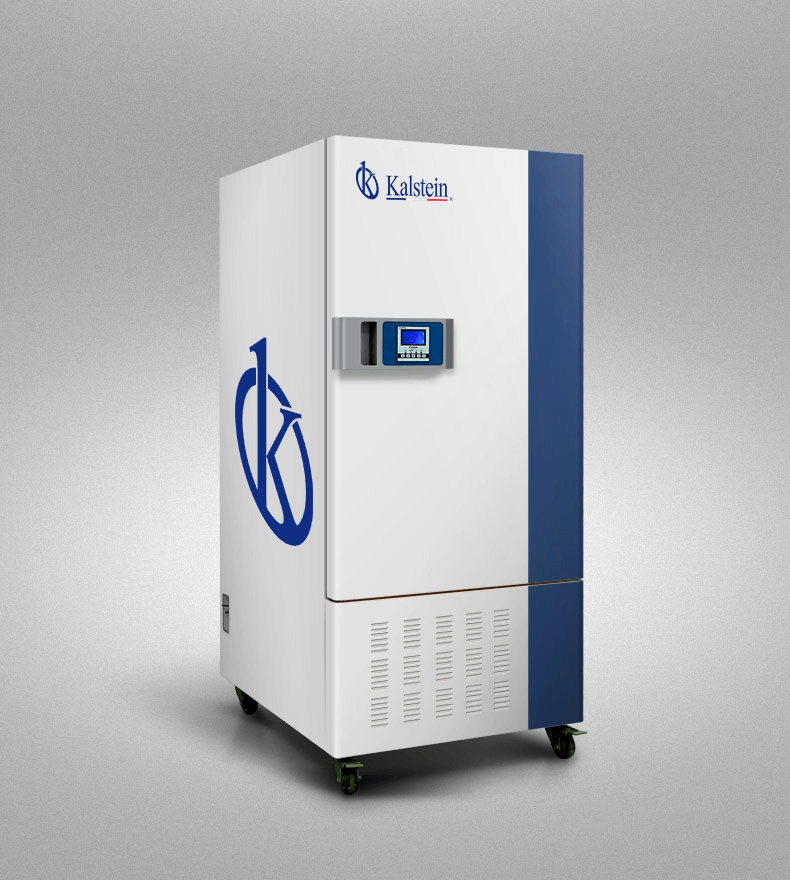
How to Integrate Constant Temperature and Humidity Chambers with LIMS for Data Digitalization
In laboratory settings, ensuring the integrity of environmental conditions is crucial for a range of experiments and tests. Constant temperature and humidity chambers are essential tools in maintaining stable conditions for biological studies, materials testing, and longevity assessments. However, the integration of these chambers with Laboratory Information Management Systems (LIMS) can significantly enhance data management and workflow efficiency. This article delves into the critical aspects of achieving seamless integration and optimizing laboratory operations.
Understanding the Role of Constant Temperature and Humidity Chambers
Constant temperature and humidity chambers are designed to maintain consistent environmental conditions, which are vital for various applications including pharmaceutical testing, agricultural research, and long-term experiments involving samples like seeds and microorganisms. Each model in this category offers unique features tailored to specific needs, such as temperature control, humidity regulation, and monitoring capabilities.
Comparison of Available Models
| Model | Temperature Range (℃) | Humidity Range (%) | Price (USD) | Best For |
|---|---|---|---|---|
| YR05334 | 0~60 | 40~95 | 1870.00 | Long-term experiments |
| YR05335 | 0~60 | 40~95 | 2220.00 | Pharmaceutical research |
| YR05336 | 0~60 | 40~95 | 3140.00 | Climate simulation |
| YR05337 | 0~60 | 40~95 | 1900.00 | Microbial culture |
| YR05338 | 0~60 | 40~95 | 2250.00 | Sample testing |
| YR05339 | 0~60 | 40~95 | 3180.00 | Plant growth |
Key Benefits of LIMS Integration
Integrating constant temperature and humidity chambers with LIMS allows for real-time data collection and monitoring. This capability not only reduces manual logging errors but also facilitates compliance with regulatory standards such as ISO 17025. Furthermore, LIMS provides traceability of conditions during experiments, enhancing the reproducibility of results across various tests.
Connectivity Protocols in LIMS Integration
When considering LIMS integration, understanding available connectivity protocols is crucial. Commonly used protocols include HL7, ASTM, and RESTful APIs, which allow for seamless data exchange between the chambers and LIMS. For instance, the YR05334 model can be connected using these protocols, enabling automatic data uploads and real-time monitoring of experimental conditions.
Planning for Data Digitalization
Successful digitalization of data starts with a well-structured plan. Identify the key data points that need to be monitored, such as temperature, humidity, and sample conditions. By leveraging the built-in sensors in models like YR05336, laboratories can ensure that all necessary data is captured accurately.
Best Practices for Seamless Integration
To achieve optimal integration, consider the following best practices:
- Conduct a thorough requirements analysis to understand the specific needs of your laboratory.
- Choose models that offer compatibility with your existing LIMS.
- Ensure that adequate training is provided to personnel operating both the chambers and LIMS.
- Regularly review and update integration protocols to account for advancements in technology.
Common Mistakes and How to Avoid Them
In the pursuit of LIMS integration, laboratories may fall prey to several common mistakes, such as inadequate training, overlooking system compatibility, and neglecting data security. To avoid these pitfalls, ensure that all staff members are trained in both using the chambers and understanding LIMS functionalities, as well as regularly updating security measures to protect sensitive data.
Frequently Asked Questions
How can I ensure compliance with ISO 17025 using constant temperature and humidity chambers?
To ensure ISO 17025 compliance, it's essential to document all calibration processes and maintain detailed records of environmental conditions. Models like YR05335 and YR05339 assist in meeting these requirements by providing precise monitoring capabilities and traceability features.
What are the advantages of using a LIMS-integrated constant temperature chamber in research?
LIMS integration allows for automation of data collection and improved accuracy in monitoring environmental conditions. For instance, using the YR05338 model streamlines processes and enhances data integrity, making it easier to meet research objectives.
Which model is best for long-term storage of biological samples in stable conditions?
The YR05336 model is particularly suited for long-term storage of biological samples due to its robust temperature and humidity control, ensuring optimal conditions are maintained consistently. Its features align well with LIMS for seamless data management.
How to select the right model for my specific laboratory needs?
When selecting a model, consider factors such as temperature range, humidity control, and specific applications. The YR05334 model is ideal for sample testing, while the YR05337 model excels in microbial culture applications.
What is the cost-effectiveness of integrating LIMS with temperature chambers?
Integrating LIMS with temperature chambers can significantly reduce operational costs by minimizing manual data entries and enhancing efficiency. Investing in models like YR05335 can yield substantial savings over time through improved operational workflows.
How frequently should I calibrate my constant temperature and humidity chamber?
Calibration schedules depend on usage, but it is generally recommended to calibrate chambers like the YR05339 at least once a year. This ensures accuracy in environmental conditions, compliant with regulatory standards.
What are the steps to validate the integration of my LIMS with temperature chambers?
Validation steps include confirming the functionality of data transfer, ensuring data integrity, and maintaining compliance with laboratory standards. Models such as YR05334 should undergo rigorous testing during the initial integration phase.
How can constant temperature and humidity chambers assist with energy efficiency in labs?
Modern models like the YR05338 are designed with energy-efficient technologies that reduce overall power consumption. Integrating these chambers with LIMS can help monitor energy usage and identify opportunities for further efficiency improvements.
If you are looking for a fusion of innovation and quality, you have come to the right place. At Kalstein, we offer you the luxury of exploring our exclusive catalog of laboratory equipment. We manufacture every device to the highest standards of excellence. Our intuitive and seamless online purchasing channels are designed for your convenience, securing the most competitive prices. Hesitate no longer — we bring science to life, it is time to become part of our community.