How to Integrate Analytical Balances with LIMS for Enhanced Data Management?
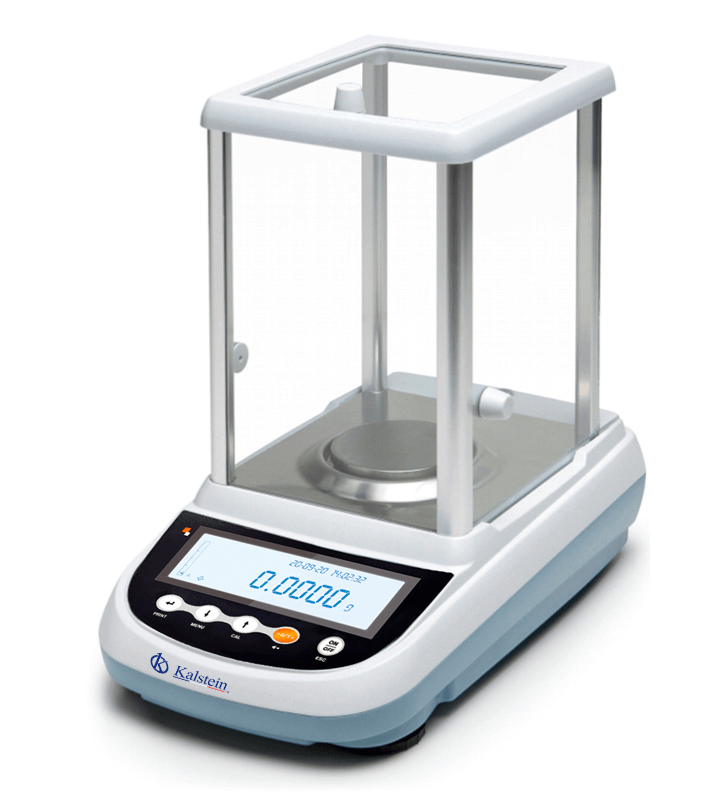
The integration of analytical balances with Laboratory Information Management Systems (LIMS) represents a significant advancement in laboratory data management, streamlining operations and improving data accuracy. By leveraging the capabilities of both technologies, laboratories can enhance their workflow efficiency, ensure compliance with regulatory standards, and maintain data integrity across various applications. This article delves into the integration process, focusing on analytical balances such as the YR05568, YR05569, YR05570, YR05571, YR05572, and YR05573 models, showcasing their features and best practices for seamless integration.
Understanding the Importance of LIMS Integration
Integrating analytical balances with LIMS is crucial for modern laboratories. LIMS provides a centralized repository for data, enabling easy access and management of information related to samples, testing, and results. This integration enhances traceability, reduces human error, and ensures compliance with regulatory standards such as ISO 17025. Moreover, it facilitates real-time data sharing, which is vital for decision-making processes in laboratory environments.
Key Features of Analytical Balances for LIMS Integration
When considering analytical balances for LIMS integration, certain features play a pivotal role:
- Internal Calibration: Models like the YR05568 and YR05573 offer automatic internal calibration, ensuring consistent accuracy in measurement without manual intervention.
- Data Communication: Analytical balances should support various communication protocols such as RS232 and USB, facilitating easy data transfer to LIMS.
- High Resolution: With a resolution of 0.1 mg, models like YR05569 and YR05570 ensure precise measurements crucial for data integrity.
- Environmental Stability: These balances maintain accuracy across varying temperatures, making them suitable for diverse laboratory environments.
Integration Protocols and Considerations
Several protocols facilitate the integration of analytical balances with LIMS:
Common Connectivity Protocols
Most modern analytical balances, including the YR05571 and YR05572, support standard connectivity protocols like RS232, Ethernet, and USB. Selecting a model with flexible communication options simplifies the integration process.
Middleware Solutions
Using middleware can greatly enhance integration capabilities, allowing for seamless data exchange between analytical balances and LIMS. Middleware can handle data formats and ensure that the information is appropriately translated before entering the LIMS.
Comparison of Available Models
| Model | Connectivity | Protocols Supported | Best for |
|---|---|---|---|
| YR05568 | RS232 | Standard | High precision measurements |
| YR05569 | USB | Standard | Medium scale labs |
| YR05570 | RS232 | Standard | Research applications |
| YR05571 | Ethernet | Standard | Data-intensive labs |
| YR05572 | USB | Standard | General laboratory use |
| YR05573 | RS232 | Standard/Optional | Gold jewelry applications |
Benefits of LIMS Integration
Implementing LIMS integration with analytical balances offers numerous advantages:
- Increased Efficiency: Automated data entry from analytical balances eliminates manual input, reducing the potential for errors.
- Enhanced Data Accuracy: Real-time data transfer ensures that results are accurately reflected in the LIMS.
- Regulatory Compliance: Integrated systems facilitate adherence to standards like ISO 17025, ensuring that documentation and data integrity are maintained.
Common Mistakes and How to Avoid Them
In the process of integrating analytical balances with LIMS, several common pitfalls can arise:
Neglecting System Compatibility
Before integration, confirm that the analytical balance supports the required communication protocol for your LIMS. Models like YR05570 may require additional configuration to work seamlessly with specific LIMS.
Overlooking Calibration Needs
Failure to address calibration requirements can lead to inaccurate measurements. Ensure that the automatic calibration features of models like YR05568 and YR05573 are utilized effectively.
Frequently Asked Questions
How does integrating analytical balances with LIMS improve data accuracy?
Integrating analytical balances such as the YR05571 with LIMS improves data accuracy by reducing manual entry errors and ensuring real-time data synchronization. This ensures that measurements are immediately reflected in the laboratory's data records, maintaining integrity and compliance.
What are the best analytical balances for LIMS integration in 2023?
The best analytical balances for LIMS integration in 2023 include the YR05568 and YR05573, known for their internal calibration features and support for standard communication protocols like RS232 and USB, making them ideal for seamless data management.
Which protocols are essential for connecting analytical balances to LIMS?
Essential protocols for connecting analytical balances to LIMS include RS232 and USB. Models like YR05570 provide these connectivity options, facilitating easy data transfer and integration into existing data management systems.
How can middleware enhance the integration of analytical balances with LIMS?
Middleware can enhance the integration of analytical balances with LIMS by providing a layer that translates data formats and manages communication, ensuring that models like YR05572 can interface effectively with various LIMS systems.
What impact does LIMS integration have on laboratory efficiency?
LIMS integration impacts laboratory efficiency by automating data collection and reducing the time spent on manual data entry. This streamlines workflows and allows staff to focus on critical tasks, particularly when using precise models like YR05569.
How often should analytical balances be calibrated for optimal performance?
Analytical balances like the YR05568 should be calibrated regularly, typically before each use or daily, depending on the laboratory's requirements, to ensure consistent measurement accuracy and adherence to standards like ISO 17025.
What are the costs associated with LIMS integration for analytical balances?
Costs associated with LIMS integration for analytical balances vary based on the model and infrastructure but can include software licenses, middleware solutions, and potential upgrades. For instance, investing in models like YR05571 can yield long-term savings through increased efficiency.
What is the role of automatic calibration in analytical balance integration?
Automatic calibration in analytical balance integration plays a crucial role in maintaining measurement accuracy and reducing the need for manual adjustments. Models like YR05573 feature this capability, ensuring consistent performance and compliance with laboratory standards.
If you are looking for a fusion of innovation and quality, you have come to the right place. At Kalstein, we offer you the luxury of exploring our exclusive catalog of laboratory equipment. We manufacture every device to the highest standards of excellence. Our intuitive and seamless online purchasing channels are designed for your convenience, securing the most competitive prices. Hesitate no longer — we bring science to life, it is time to become part of our community.