Industrial Ovens: Applications and Techniques 2026
What is it used for in 2026
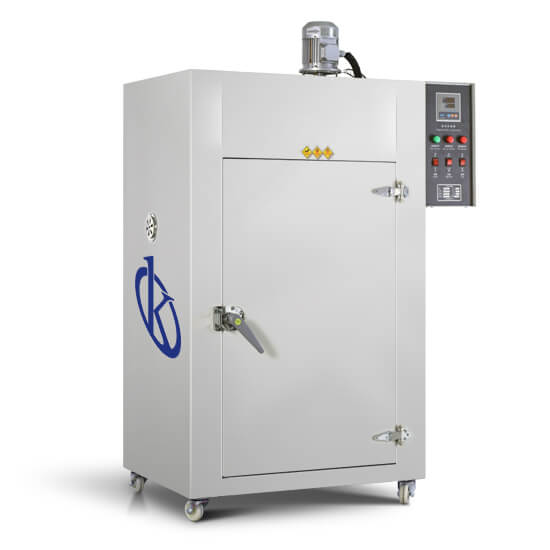
Industrial ovens are essential equipment in laboratories, biotechnological applications, and research facilities. They are primarily used for drying, curing, and heat treating materials. In 2026, their use has expanded across various sectors, including electronics, pharmaceuticals, and materials science, demonstrating their versatility and importance in scientific workflows.
History and evolution of the technology
The technology behind industrial ovens has evolved significantly from simple heat sources to sophisticated machines with advanced features. Initially, ovens were merely chambers heated by fire or electric coils. With advancements in microprocessor technology, modern industrial ovens now offer precise temperature control, uniform heat distribution, and various safety measures, making them indispensable for modern laboratory processes.
How to use it step by step
Using industrial ovens efficiently involves a systematic approach. Here’s a step-by-step guide:
- Preparation: Ensure that the oven is clean and free of any residues from previous uses.
- Set the Parameters: Input the desired temperature and time based on the specific material or application.
- Load the Materials: Place the items to be dried or cured evenly inside the oven to allow for optimal airflow.
- Start the Oven: Activate the oven and monitor the initial stages to ensure it reaches the set parameters.
- Monitor Progress: Regularly check the temperature and the condition of the materials being heated.
- Completion: Once the process is complete, allow the oven to cool down before unloading the materials.
Best techniques and protocols
To achieve the best results when using industrial ovens, consider the following techniques and protocols:
- Uniform Loading: Distribute items evenly to prevent hot spots.
- Calibration: Regularly calibrate temperature settings to ensure accuracy.
- Use of Thermocouples: Utilize thermocouples for real-time temperature monitoring.
- Documentation: Keep detailed logs of temperature and time settings for reproducibility.
Practical applications by laboratory type
Industrial ovens find applications in various laboratory settings:
- Research Laboratories: Used for drying samples, curing materials, and conducting controlled experiments.
- Biotechnology: Essential for sterilizing equipment and preparing samples.
- Manufacturing: Employed in quality control processes and material testing.
Regulations, standards and certifications
Industrial ovens must comply with various regulations and standards to ensure safety and efficiency. Key guidelines include:
- ISO 9001 for quality management systems.
- ASTM standards for materials testing.
- CE marking for safety compliance in European markets.
Comparison with alternative technologies
When considering industrial ovens, it's essential to compare them with alternative technologies such as vacuum dryers and microwave ovens:
- Vacuum Dryers: Offer faster drying times but can be more expensive and require specialized setups.
- Microwave Ovens: Provide rapid heating; however, they may not be suitable for all materials.
Comparison of available models
| Model | Best for | Key specs | Recommended use case |
|---|---|---|---|
| YR05256-A | Dehydration and drying for industrial applications | Power: 4-6 kW, Capacity: 300 Liters | Batch production in industrial workshops |
| YR05257-1-A | Heavy-duty drying for industrial materials | Power: 8-12 kW, Capacity: 864 Liters | Long-term uninterrupted operations |
| YR05258-SS | General drying applications | Power: 4-6 kW, Capacity: 300 Liters | Suitable for electronics and jewelry production |
| YR05259-1-SS | High-capacity drying for large batches | Power: 8-12 kW, Capacity: 864 Liters | Industrial manufacturing and testing |
Common mistakes and how to avoid them
To ensure the effective use of industrial ovens, avoid these common mistakes:
- Overloading: Avoid placing too many items in the oven, as this can disrupt airflow and heating.
- Ignoring Calibration: Regularly calibrate the oven to prevent inaccurate temperature readings.
- Failure to Monitor: Consistently monitor the temperature and process to prevent damage.
Maintenance, calibration and good practices 2026
Routine maintenance and calibration are critical for the longevity of industrial ovens. Recommended practices include:
- Regular Cleaning: Keep the oven clean to prevent contamination and maintain efficiency.
- Periodic Calibration: Schedule regular calibration checks to ensure consistent performance.
- Inspect Safety Features: Regularly check safety features like door locks and alarms.
Cost-benefit analysis 2026
When assessing the investment in industrial ovens, consider the following factors:
- Initial Cost: Compare the purchase price of various models to determine the best fit for your budget.
- Operational Costs: Evaluate energy consumption and maintenance expenses over time.
- Output Efficiency: Analyze the output quality and speed to justify the investment.
Frequently asked questions
What factors should I consider when choosing an industrial oven?
Consider factors such as the size, power capacity, temperature range, and specific industrial applications to choose the right oven for your needs.
How do I ensure consistent results when using an industrial oven?
To ensure consistency, regularly calibrate the oven, monitor temperature closely, and use standardized procedures for loading and unloading materials.
Can I use an industrial oven for different types of materials?
Yes, industrial ovens can be used for various materials, but it is crucial to adjust temperature and time settings based on the specific material properties.
What safety measures should I take when operating an industrial oven?
Always ensure the oven is properly ventilated, use personal protective equipment, and follow the manufacturer's safety guidelines.
How often should I perform maintenance on my industrial oven?
Routine maintenance should be performed regularly, ideally after every use or at least monthly, depending on the frequency of operation.
Is it necessary to have a specialized training for operating industrial ovens?
While specialized training isn't mandatory, it is highly recommended to ensure safe and effective operation, particularly for complex models.
What is the average lifespan of an industrial oven?
The average lifespan of an industrial oven typically ranges from 10 to 15 years, depending on usage, maintenance, and quality of the unit.
If you're looking for a fusion of innovation and quality, you have come to the right place. At Kalstein, we offer you the luxury of exploring our exclusive catalog of laboratory equipment. We manufacture every device to the highest standards of excellence. Our intuitive and seamless online purchasing channels are designed for your convenience, securing the most competitive prices. Hesitate no longer — we bring science to life, it is time to become part of our community.