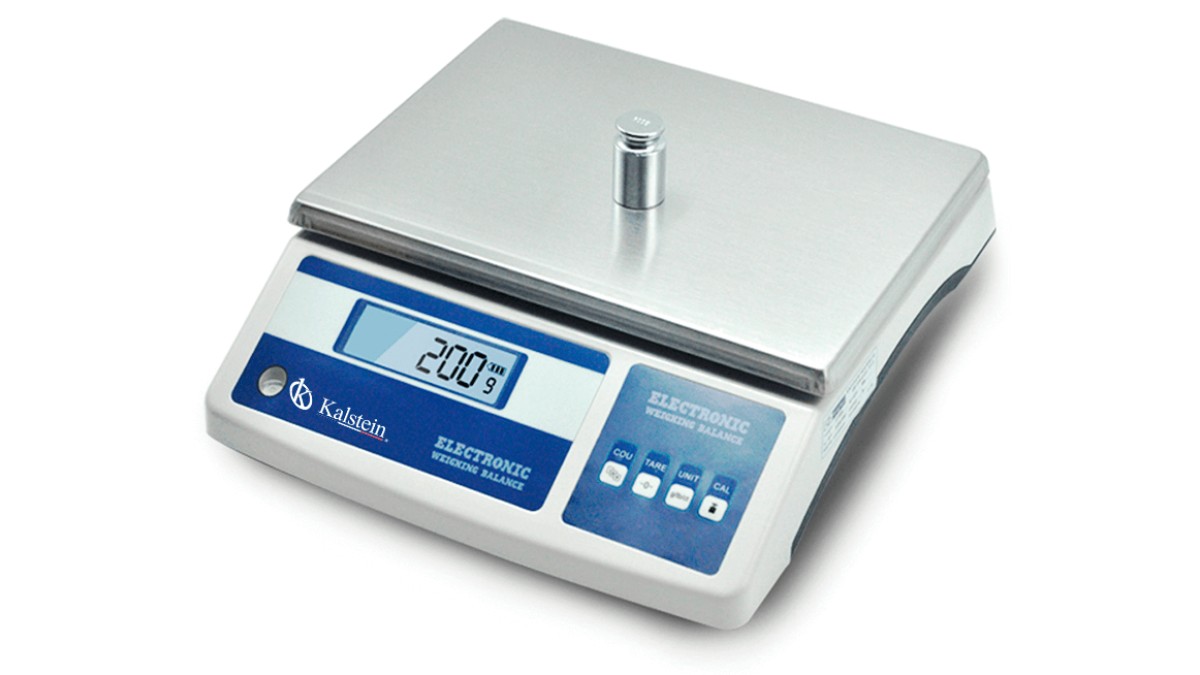
Industrial Balances: Practical Applications and Techniques 2026
What is it used for in 2026
In 2026, industrial balances are fundamental tools used in various laboratory settings, including research and development facilities, quality control laboratories, and manufacturing units. Their main function is to provide accurate weight measurements of various materials, which is crucial for ensuring precision in experiments, formulations, and production processes. These balances are not only designed for high accuracy but also for various capacities, catering to different industrial needs.
History and evolution of the technology
The evolution of industrial balances dates back to ancient times, where simple balance scales were used to weigh goods. Over the years, technological advancements have led to the development of electronic balances that offer higher precision and easier usability. The introduction of digital displays, tare functions, and advanced material designs, such as stainless steel platforms, have significantly enhanced the performance of industrial balances, making them indispensable in modern laboratories.
How to use it step by step
Using an industrial balance effectively involves several key steps:
- Preparation: Ensure that the balance is placed on a stable, level surface to avoid inaccuracies.
- Calibration: Before use, calibrate the balance according to the manufacturer’s instructions using calibration weights.
- Tare Function: Place an empty container on the balance and use the tare function to zero out its weight.
- Weighing: Add the material to be weighed and wait for the reading to stabilize before recording the weight.
- Documentation: Keep a log of measurements for traceability in experiments or production.
Best techniques and protocols
To achieve the best results when using industrial balances, follow these techniques and protocols:
- Always allow the balance to warm up as recommended by the manufacturer.
- Use appropriate containers to prevent contamination or spillage during weighing.
- Minimize drafts and vibrations around the balance to enhance accuracy.
- Perform regular maintenance and calibration checks to ensure consistent performance.
- Train personnel on proper weighing techniques and balance operation.
Practical applications by laboratory type
Industrial balances find applications in various laboratory types, including:
- Research Laboratories: For weighing chemicals and materials for experiments.
- Quality Control Labs: To ensure product specifications are met by weighing raw materials and finished goods.
- Manufacturing Facilities: For accurate ingredient measurements in production processes.
- Pharmaceutical Labs: To weigh active pharmaceutical ingredients (APIs) with high precision.
Regulations, standards and certifications
Industrial balances must comply with various regulations and certifications to ensure their reliability and accuracy. Common standards include:
- ISO/IEC 17025: General requirements for the competence of testing and calibration laboratories.
- OIML R76: International recommendations on weighing instruments.
- FDA regulations for balances used in food and drug production.
Comparison with alternative technologies
When compared to alternative weighing technologies such as load cells and manual balances, industrial balances offer several advantages:
- Accuracy: Industrial balances provide higher accuracy and precision for laboratory applications.
- Ease of Use: Digital displays and tare functions enhance usability compared to manual options.
- Calibration: Industrial balances support easier calibration processes, ensuring consistent reliability.
Comparison of available models
| Model | Best for | Key specs | Recommended use case |
|---|---|---|---|
| YR05606 | General laboratory weighing | Capacity: 11kg, Readability: 1g | For standard laboratory applications requiring moderate capacity. |
| YR05607 | Heavy materials weighing | Capacity: 16kg, Readability: 1g | Ideal for weighing heavier samples in quality control. |
| YR05608 | Large sample weighing | Capacity: 21kg, Readability: 1g | Best for large samples in manufacturing settings. |
| YR05609 | Very heavy weighing | Capacity: 31kg, Readability: 1g | Suitable for industrial applications with large loads. |
| YR05610 | Precision weighing | Capacity: 5.1kg, Readability: 0.1g | Perfect for precise formulations in laboratories. |
| YR05611 | Accurate measurements | Capacity: 11kg, Readability: 0.1g | Best for applications requiring high accuracy. |
| YR05612 | Moderate capacity weighing | Capacity: 16kg, Readability: 0.1g | Suitable for typical laboratory tasks. |
| YR05613 | General lab purposes | Capacity: 21kg, Readability: 0.1g | Ideal for a variety of common laboratory applications. |
| YR05614 | Heavy-duty tasks | Capacity: 26kg, Readability: 0.1g | Best for industrial settings with heavy loads. |
Common mistakes and how to avoid them
Common mistakes in using industrial balances include:
- Improper Calibration: Always calibrate the balance before use to ensure accurate readings.
- Neglecting Environmental Factors: Avoid placing the balance near drafts or vibrations.
- Overloading: Do not exceed the balance’s capacity to prevent damage.
- Ignoring Maintenance: Regularly clean and maintain the balance for optimal performance.
Maintenance, calibration and good practices 2026
To ensure the longevity and accuracy of industrial balances, focus on the following maintenance and calibration practices:
- Perform calibration checks regularly, preferably before critical measurements.
- Clean the balance with appropriate materials to avoid contamination.
- Store balances in a dust-free environment and cover when not in use.
- Train staff on proper handling and operation techniques.
Cost-benefit analysis 2026
When analyzing the cost-benefit of industrial balances, consider the following:
- Initial Investment: Evaluate the upfront cost against long-term benefits of accuracy and reliability.
- Operational Efficiency: Accurate measurements lead to fewer errors, saving time and resources.
- Compliance Costs: Meeting regulatory standards can prevent costly fines and product recalls.
Frequently asked questions
How do I choose the right industrial balance for my laboratory?
When selecting an industrial balance, consider key factors such as the maximum weight capacity, required accuracy, and specific laboratory applications. Assess your workflow needs and consult with balance experts to make an informed decision.
What is the importance of calibration in industrial balances?
Calibration is crucial as it ensures the accuracy of measurements. Regular calibration helps maintain compliance with industry standards and prevents discrepancies in weighing results, which can affect experimental outcomes or product quality.
How do environmental factors affect the performance of industrial balances?
Environmental factors such as drafts, vibrations, and temperature fluctuations can significantly impact the accuracy of industrial balances. It is essential to place the balance in a controlled environment to minimize these effects.
What are the best practices for maintaining industrial balances?
Best practices include regular calibration, cleaning after each use, ensuring a stable and level placement, and following the manufacturer’s maintenance guidelines. Training personnel on proper handling is also essential.
Can I use an industrial balance for weighing liquids?
Yes, but it is advisable to use a suitable container to prevent spillage and contamination. Always tare the container weight before adding the liquid for accurate measurements.
What should I do if my balance shows inconsistent readings?
If the balance displays inconsistent readings, first check for environmental disturbances and recalibrate the device. If problems persist, consult the manufacturer's technical support for further assistance.
If you are looking for a fusion of innovation and quality, you have come to the right place. At Kalstein, we offer you the luxury of exploring our exclusive catalog of laboratory equipment. We manufacture every device to the highest standards of excellence. Our intuitive and seamless online purchasing channels are designed for your convenience, securing the most competitive prices. Hesitate no longer — we bring science to life, it is time to become part of our community.