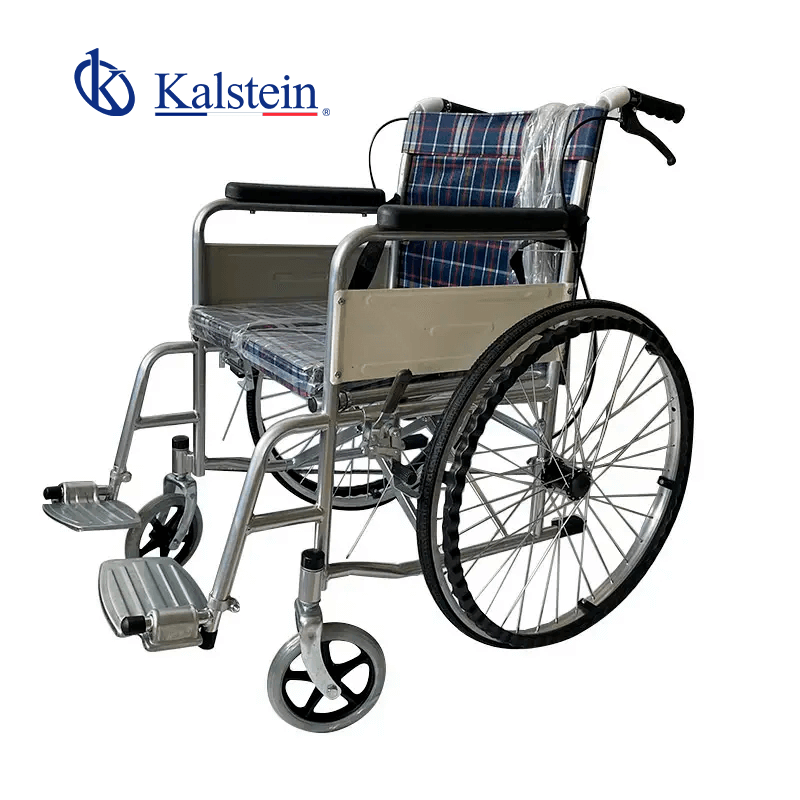
How to Implement Predictive Maintenance for Manual Wheelchairs
Manual wheelchairs are essential tools that empower individuals with mobility challenges. To ensure their reliability and safety, it is crucial to implement predictive maintenance and regular calibration. This article delves into the strategies and practices necessary to maintain wheelchair integrity, focusing on specific models, including YR05450, YR05451, YR05456, and others.
Understanding Predictive Maintenance in Wheelchairs
Predictive maintenance refers to the practice of anticipating when maintenance should be performed on equipment to avoid unexpected failures. In the context of manual wheelchairs, this involves monitoring various components, including wheels, brakes, and the frame, to detect wear and tear before it leads to failure. Regular inspections, coupled with data analysis, can significantly improve the longevity and performance of manual wheelchairs.
Importance of Regular Calibration for Manual Wheelchairs
Calibration ensures that the components of a manual wheelchair function optimally. For instance, improper wheel alignment can lead to uneven wear, making it essential to regularly check and adjust settings. This process not only enhances safety but also improves user comfort. According to industry standards, the calibration of wheelchairs should occur at defined intervals or after significant use.
Predictive Maintenance Techniques for Manual Wheelchairs
Several techniques can be employed to implement predictive maintenance effectively:
- Visual Inspections: Regular visual examinations can help identify potential issues such as frame cracks or excessive wear on wheels.
- Sensor Monitoring: Integrating sensors to monitor component conditions can provide real-time data, allowing for timely maintenance.
- Data Analytics: Analyzing usage patterns and historical data can help predict when a wheelchair may need maintenance.
Calibrating Manual Wheelchairs: Best Practices
Calibration involves adjusting the wheelchair's components to their original specifications. Here are best practices for effective calibration:
- Follow Manufacturer Guidelines: Each model, like YR05450, comes with specific calibration instructions that should be adhered to closely.
- Measure Key Dimensions: Regularly check critical dimensions such as seat height and wheel alignment to ensure optimal performance.
- Document Changes: Keeping a record of adjustments made during calibration helps track performance over time.
Comparison of Available Models
| Model | Weight Capacity (KG) | Seat Width (CM) | Brakes | Best For |
|---|---|---|---|---|
| YR05450 | 100 | 46 | Fixed Handle with Brake | General Use |
| YR05451 | 100 | 44 | Rear Handle Brake | Compact Spaces |
| YR05456 | 100 | 45 | Hydraulic Control Backrest | Adjustable Comfort |
| YR05452 | 100 | 42.5 | Advanced Brake System | Lightweight Travel |
Common Mistakes and How to Avoid Them
Understanding common pitfalls in wheelchair maintenance can lead to better outcomes:
- Ignoring Regular Checks: Many users tend to overlook the importance of routine inspections. Schedule regular checks to ensure safety.
- Neglecting Brake Maintenance: The brakes are critical for safety; ensure they are functioning correctly at all times.
- Postponing Repairs: Delaying repairs can lead to more significant issues. Address problems as soon as they arise.
Frequently Asked Questions
What are the key benefits of predictive maintenance for manual wheelchairs?
Predictive maintenance significantly extends the lifespan of manual wheelchairs by identifying wear before it leads to failure. For instance, implementing such practices for models like YR05450 can prevent unexpected breakdowns, ensuring users' safety and comfort.
How often should I calibrate my manual wheelchair?
Calibration of manual wheelchairs should occur at least once a year or whenever the wheelchair shows signs of wear. Regular checks will help maintain models like YR05456, ensuring optimal performance and safety for users.
What specific components should I monitor for predictive maintenance?
Key components for monitoring include wheels, brakes, and the frame. For example, regularly checking the brakes on the YR05451 can help prevent accidents and ensure a smooth ride.
What tools do I need for effective wheelchair calibration?
A tape measure, adjustment tools, and a maintenance log are essential for effective calibration. These tools help ensure that manual wheelchairs, such as the YR05454, are adjusted to their optimal settings.
How can I tell when my wheelchair needs maintenance?
Signs include unusual noises, difficulty in maneuvering, or visible wear on parts. Regular checks of models like YR05452 will help catch issues early, before they lead to failure.
What is the average cost of maintaining a manual wheelchair?
Maintenance costs vary but typically include inspection fees and parts replacement. For example, maintaining a YR05453 may cost around $50 annually, depending on usage and condition.
Why is brake maintenance critical for manual wheelchairs?
Brakes ensure user safety by providing reliable stopping power. Regular maintenance on models like YR05450 can prevent brake failure, which could lead to accidents.
Where can I purchase replacement parts for manual wheelchairs?
Replacement parts can typically be purchased through healthcare suppliers or specialized wheelchair retailers. Ensure you choose parts compatible with your model, such as those for YR05456, to maintain functionality.
If you are looking for a fusion of innovation and quality, you have come to the right place. At Kalstein, we offer you the luxury of exploring our exclusive catalog of laboratory equipment. We manufacture every device to the highest standards of excellence. Our intuitive and seamless online purchasing channels are designed for your convenience, securing the most competitive prices. Hesitate no longer — we bring science to life, it is time to become part of our community.