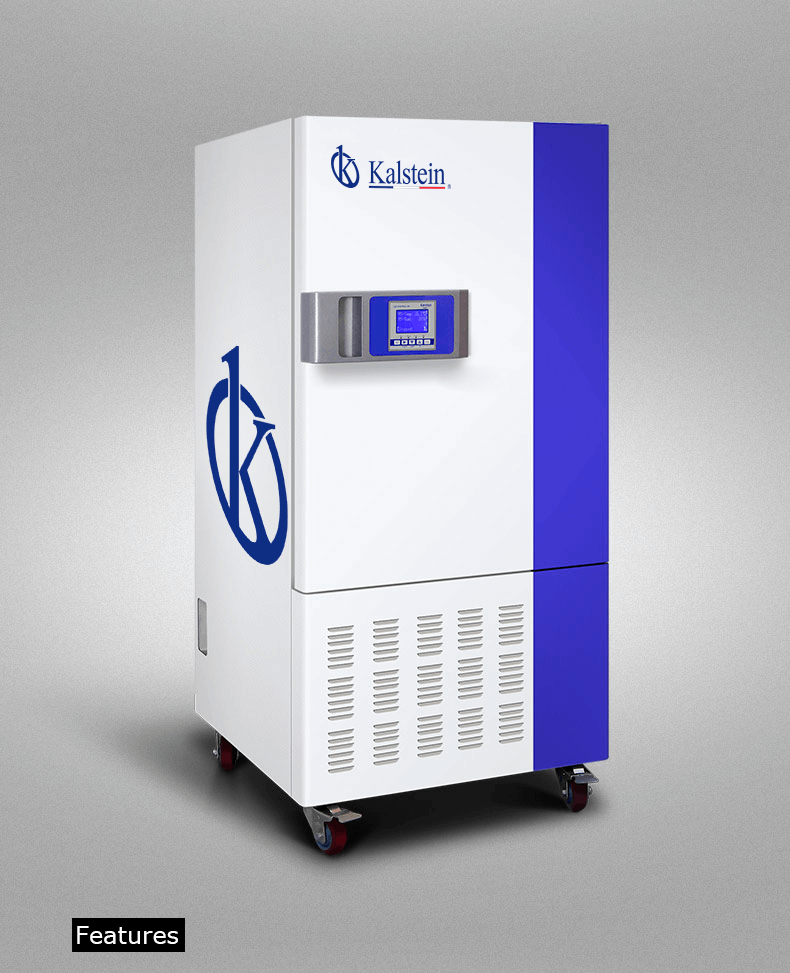
Illumination Drug Stability Test Chamber: Applications and Techniques 2026
The Illumination Drug Stability Test Chamber is essential for pharmaceutical companies to assess the stability of medications under various lighting conditions. In this article, we will explore its applications, techniques involved, and best practices to maximize efficiency in laboratory settings.
What is it used for in 2026
In 2026, the Illumination Drug Stability Test Chamber serves multiple purposes in pharmaceutical research. It is primarily used to evaluate the stability of drugs when exposed to different light intensities and durations. This assessment helps in understanding how light can affect drug potency, safety, and overall quality. The chambers provide controlled environments to simulate real-world conditions, allowing researchers to conduct accelerated stability testing and long-term studies effectively.
History and evolution of the technology
The technology behind illumination drug stability testing has evolved significantly over the years. Initially, stability testing was conducted using simple light sources with minimal control over environmental factors. As the pharmaceutical industry grew, the need for more precise and reliable testing methods became clear. Modern illumination chambers, such as the Strong Lighting Stability Test Chamber models, incorporate advanced features like microprocessor PID controllers, multiple safety systems, and energy-efficient cooling systems, providing researchers with the tools they need for thorough testing.
How to use it step by step
Using the Illumination Drug Stability Test Chamber involves a systematic approach to ensure accurate results. Here are the steps:
- Preparation: Gather all necessary samples and materials.
- Setup: Ensure the chamber is clean and free from contaminants.
- Calibration: Calibrate the temperature and lighting settings according to your specific testing requirements.
- Sample Placement: Place the drug samples inside the chamber, ensuring proper spacing for airflow.
- Monitoring: Regularly monitor the conditions inside the chamber using the built-in controls.
- Data Collection: Collect data at specified intervals to assess the stability of each sample.
- Analysis: Analyze the data to determine the impact of light on drug stability.
Best techniques and protocols
To maximize the effectiveness of the Illumination Drug Stability Test Chamber, following best techniques and protocols is crucial. Some of the recommended practices include:
- Use calibrated measurement devices for accurate data collection.
- Conduct preliminary tests to determine the most suitable light intensity and duration for your samples.
- Document all procedures to maintain consistency in testing.
- Regularly perform maintenance and calibration on the chamber to ensure optimal functionality.
Practical applications by laboratory type
Different types of laboratories utilize the Illumination Drug Stability Test Chamber for various applications:
- Pharmaceutical Laboratories: Primarily used for conducting stability tests on drug formulations.
- Biotechnology Labs: Assists in testing biologics and biosimilars for stability under light exposure.
- Academic Research: Used in educational settings for research projects focusing on drug stability and degradation.
Regulations, standards and certifications
Compliance with regulatory standards is essential when using the Illumination Drug Stability Test Chamber. Laboratories must adhere to guidelines set by organizations such as the FDA and ICH, which outline the requirements for stability testing. Additionally, certifications for ISO standards ensure that the chambers meet quality and safety benchmarks required for pharmaceutical testing.
Comparison with alternative technologies
While the Illumination Drug Stability Test Chamber is effective, there are alternative technologies available for stability testing:
- Traditional Stability Chambers: These chambers lack controlled lighting and may not provide accurate results for light-sensitive products.
- Accelerated Stability Testing: While faster, this method does not always replicate real-life conditions accurately, making it less reliable for certain products.
- Environmental Testing Cabinets: These cabinets can simulate various conditions but might not focus specifically on illumination effects.
Comparison of available models
| Model | Best for | Key specs | Recommended use case |
|---|---|---|---|
| YR05353 | General stability testing for pharmaceuticals | Temperature range: 10~65 ℃ with lighting; 0~60 ℃ without lighting | Suitable for accelerated and long-term testing |
| YR05353-1 | Specialized formulations requiring precise light exposure | 0~6000LX adjustable lighting | Ideal for formulations sensitive to light |
| YR05353-2 | High-capacity testing for large sample sizes | Advanced PID microprocessor control for accuracy | Best for bulk testing scenarios |
Common mistakes and how to avoid them
Many users make common mistakes when operating the Illumination Drug Stability Test Chamber. To ensure best practices, consider the following:
- Always verify calibration settings before use.
- Avoid overloading the chamber, which can lead to inconsistent results.
- Do not skip routine maintenance checks; this can affect performance.
- Ensure proper documentation of all tests to maintain accuracy and reproducibility.
Maintenance, calibration and good practices 2026
Maintenance and calibration are essential for the longevity of the Illumination Drug Stability Test Chamber. Regular practices include:
- Schedule routine maintenance checks based on usage frequency.
- Calibrate the temperature and light intensity at least quarterly.
- Keep the chamber clean and free from dust and contaminants.
- Document all maintenance and calibration activities for compliance.
Cost-benefit analysis 2026
Investing in an Illumination Drug Stability Test Chamber provides significant benefits. While the initial cost may be substantial, the advantages include:
- Enhanced accuracy in stability testing saves costs in the long run by reducing product failures.
- Compliance with regulatory standards can prevent costly fines.
- Improved product quality can lead to greater market trust and sales.
Frequently asked questions
How do I choose the right model for my laboratory?
To choose the right model, assess your laboratory's specific needs regarding sample type, volume, and testing requirements. Consider factors such as light sensitivity and the number of samples you plan to test simultaneously.
What are the best practices for initializing the test chamber?
Best practices include calibrating the chamber, ensuring a clean workspace, and properly spacing the samples to allow for adequate airflow.
Can I use the chamber for non-pharmaceutical applications?
While the primary focus is on pharmaceuticals, the chamber can also be used for certain biotechnological applications that require stability testing under controlled light conditions.
How often should maintenance be performed?
Maintenance should be performed at least quarterly, with additional checks based on frequency of use and specific laboratory conditions.
What data should I collect during testing?
Collect data on temperature, light intensity, and sample conditions at regular intervals. Document any changes in the physical appearance of the samples as well.
Is calibration necessary for accurate results?
Yes, calibration is crucial for ensuring that the chamber operates within specified parameters, which directly impacts data accuracy.
How do I ensure compliance with regulatory standards?
Follow guidelines from regulatory bodies, perform thorough documentation, and maintain regular calibration and maintenance schedules to ensure compliance.
If you are looking for a fusion of innovation and quality, you have come to the right place. At Kalstein, we offer you the luxury of exploring our exclusive catalog of laboratory equipment. We manufacture every device to the highest standards of excellence. Our intuitive and seamless online purchasing channels are designed for your convenience, securing the most competitive prices. Hesitate no longer — we bring science to life, it is time to become part of our community.