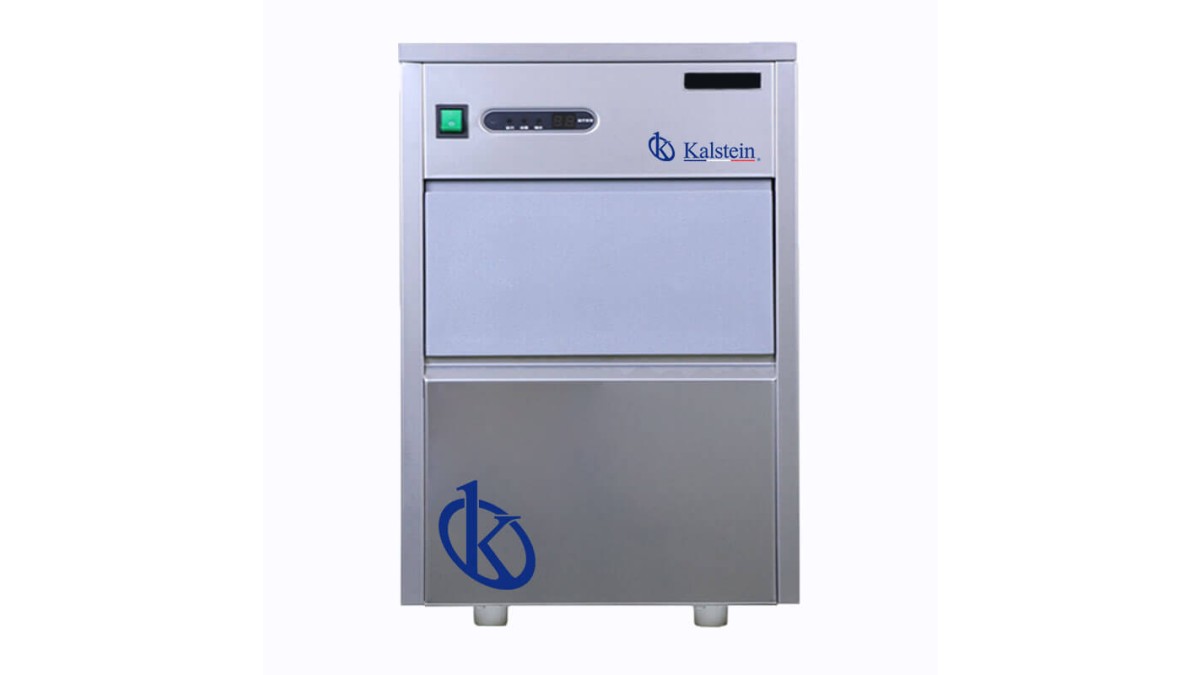
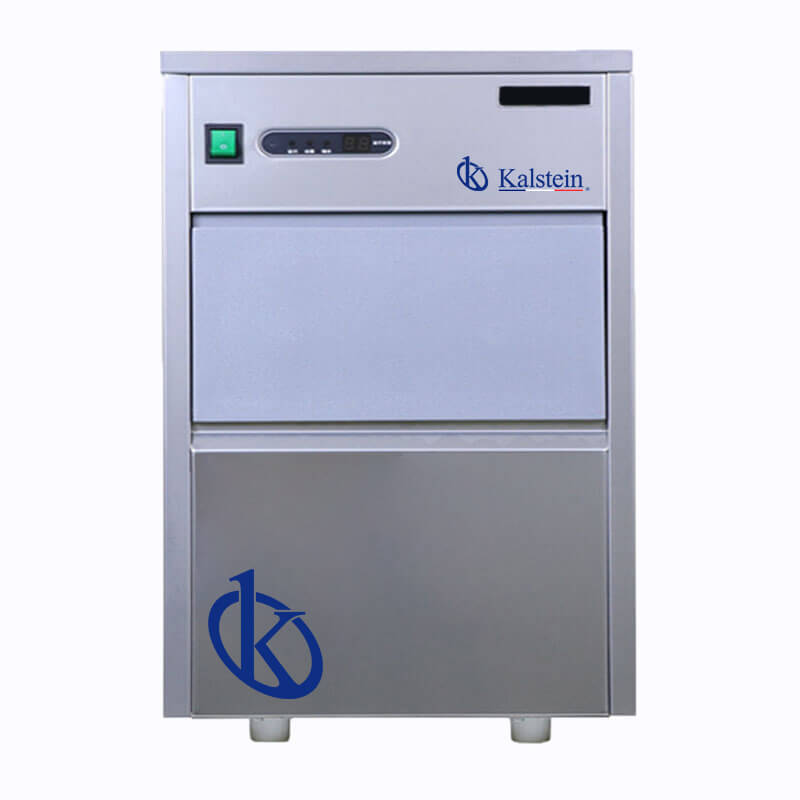
Ice Machines: Practical Applications and Techniques 2026
Ice machines are indispensable in various laboratory settings, providing the necessary ice for experiments, sample preservation, and analysis. Understanding their applications and best practices is crucial for laboratory professionals aiming to optimize their workflows and ensure high-quality results.
What is it used for in 2026
In 2026, ice machines serve multiple purposes in clinical and hospital laboratories, including:
- Sample Preservation: Maintaining the integrity of biological samples during storage and transport.
- Cooling Agents: Providing essential cooling for chemical reactions and experiments.
- Reagent Preparation: Assisting in the preparation of temperature-sensitive reagents.
- Patient Services: Offering ice for cooling packs and patient comfort in healthcare facilities.
History and evolution of the technology
The evolution of ice machine technology has been marked by significant advancements:
- Early Manual Systems: Initial ice production methods relied on manual processes and natural ice harvesting.
- Mechanical Innovations: The advent of mechanical refrigeration transformed ice production efficiency in the 20th century.
- Modern Automation: Today’s machines utilize advanced technology for automated and efficient ice production, focusing on energy conservation and environmental safety.
How to use it step by step
Using an ice machine effectively involves the following steps:
- Preparation: Ensure the machine is correctly installed and connected to a water supply.
- Power On: Activate the machine using the control panel.
- Set Parameters: Adjust settings for ice size and production capacity, if applicable.
- Monitor Production: Observe the ice-making process through indicators or display panels.
- Harvest Ice: Collect the produced ice from the storage bin as needed.
- Regular Checks: Conduct regular checks for any issues and ensure the machine is clean.
Best techniques and protocols
To maximize efficiency and ensure safety, follow these best practices:
- Regular Maintenance: Schedule routine maintenance checks and clean the machine frequently.
- Optimal Water Quality: Use filtered or distilled water to prevent scaling and ensure high-quality ice.
- Temperature Monitoring: Regularly monitor storage temperatures to maintain optimal conditions for ice.
- Documentation: Keep a log of usage and maintenance for compliance and quality assurance.
Practical applications by laboratory type
Clinical Laboratories
In clinical settings, ice machines are crucial for the preservation of biological samples and ensuring reagent stability.
Research Laboratories
Research facilities utilize ice machines to support varied experiments involving temperature-sensitive materials.
Hospital Wards
Hospitals rely on ice machines for patient comfort and in situations requiring emergency cooling.
Pharmaceutical Labs
In pharmaceutical research, ice machines are used during drug formulation processes that necessitate low temperatures.
Regulations, standards and certifications
Compliance with regulations is vital for laboratory operations:
- FDA Guidelines: Ensure that equipment used in medical laboratories meets FDA safety standards.
- ISO Standards: Adhere to ISO certification for quality management systems in laboratory environments.
- Local Health Regulations: Follow local health department regulations for equipment sanitation and maintenance.
Comparison with alternative technologies
While ice machines are essential, consider alternatives such as:
- Dry Ice: Effective for certain applications but requires special handling and storage.
- Refrigerated Storage Units: Useful for long-term sample preservation but may not provide immediate ice needs.
Comparison of available models
| Model | Best for | Key specs | Recommended use case |
|---|---|---|---|
| YR05130 | Small labs and educational environments | 20 Kg / 24h, 10 Kg storage | Basic sample preservation |
| YR05131 | Research projects requiring higher ice output | 30 Kg / 24h, 10 Kg storage | Experimental cooling needs |
| YR05132 | Mid-sized laboratories with moderate demands | 40 Kg / 24h, 15 Kg storage | General laboratory applications |
| YR05133 | High-usage contexts with versatile needs | 50 Kg / 24h, 15 Kg storage | Widespread use across departments |
| YR05134 | Large labs requiring significant ice capacity | 60 Kg / 24h, 25 Kg storage | High-volume sample handling |
| YR05135 | Extensive laboratories or hospitals | 70 Kg / 24h, 25 Kg storage | Continuous ice supply needs |
Common mistakes and how to avoid them
Avoid these frequent pitfalls:
- Neglecting Maintenance: Regularly check and service machines to prevent breakdowns.
- Using Poor Water Quality: Always use clean, quality water for ice production.
- Ignoring Storage Conditions: Ensure ice is stored at appropriate temperatures to maintain its quality.
Maintenance, calibration and good practices 2026
To maintain the longevity and accuracy of ice machines:
- Monthly Cleaning: Clean the machine monthly to prevent buildup and ensure efficient operation.
- Calibration Checks: Perform calibration checks regularly to maintain operational accuracy.
- User Training: Train users on proper operation and maintenance protocols to ensure compliance and safety.
Cost-benefit analysis 2026
Investing in ice machines can yield substantial benefits:
- Initial Investment: Consider the upfront cost but weigh it against efficiency gains and reliability.
- Operational Savings: Efficient machines reduce water and energy consumption, leading to long-term savings.
- Improved Productivity: Reliable ice production enhances laboratory productivity and accuracy.
Frequently asked questions
What is the best type of ice machine for a small laboratory?
The YR05130 is ideal for small laboratories due to its compact size and efficient ice production capabilities.
How often should I clean the ice machine?
It is recommended to clean the ice machine monthly to prevent buildup and ensure optimal performance.
Can I use tap water in my ice machine?
Yes, tap water can be used, but filtered or distilled water is preferred to avoid scaling and impurities.
What type of maintenance is required to prolong the life of the ice machine?
Regular maintenance, including cleaning, calibration, and checks on the water supply, is essential for longevity.
Are there specific regulations I need to follow for ice machines in a clinical setting?
Yes, ensure compliance with local health regulations and standards set by the FDA and ISO for laboratory equipment.
How does ice production capacity affect laboratory efficiency?
A higher ice production capacity allows for more efficient operations, particularly in busy lab environments requiring large quantities of ice.
Where can I find more information or request a quote for an ice machine?
For more information and to request a quote, you can explore the offerings available, which include various models to suit your laboratory needs.
If you are looking for a fusion of innovation and quality, you have come to the right place. At Kalstein, we offer you the luxury of exploring our exclusive catalog of laboratory equipment. We manufacture every device to the highest standards of excellence. Our intuitive and seamless online purchasing channels are designed for your convenience, securing the most competitive prices. Hesitate no longer — we bring science to life, it is time to become part of our community.