Horizontal Electrophoresis: Common Mistakes and How to Avoid Them in Daily Operations 2026
Horizontal electrophoresis is an essential technique in various laboratory settings, widely utilized for analyzing nucleic acids and proteins. As this technology continues to evolve, understanding common pitfalls and best practices is crucial for laboratory professionals aiming to optimize their experimental workflows in 2026. This article will delve into the applications, history, and practical usage of horizontal electrophoresis while highlighting how to maintain accuracy and efficiency.
What is it used for in 2026
In 2026, horizontal electrophoresis primarily serves to separate nucleic acids like DNA and RNA, as well as proteins, based on their size and charge. This technique is pivotal in various applications, including molecular biology, genetics, biochemistry, and clinical diagnostics. Researchers employ horizontal electrophoresis to analyze genetic material, verify the integrity of samples, and conduct various assays such as restriction fragment length polymorphism (RFLP) analysis and protein profiling.
History and evolution of the technology
The evolution of horizontal electrophoresis can be traced back to the early developments in gel electrophoresis techniques in the mid-20th century. Initially, agarose gels were used due to their ease of preparation and ability to resolve larger DNA fragments. Over the years, advancements such as the introduction of more refined gel compositions have enhanced resolution and speed. Modern horizontal electrophoresis systems, equipped with innovative designs and improved user interfaces, have become more accessible and versatile, allowing laboratories to perform complex analyses with greater precision.
How to use it step by step
Using horizontal electrophoresis involves several critical steps:
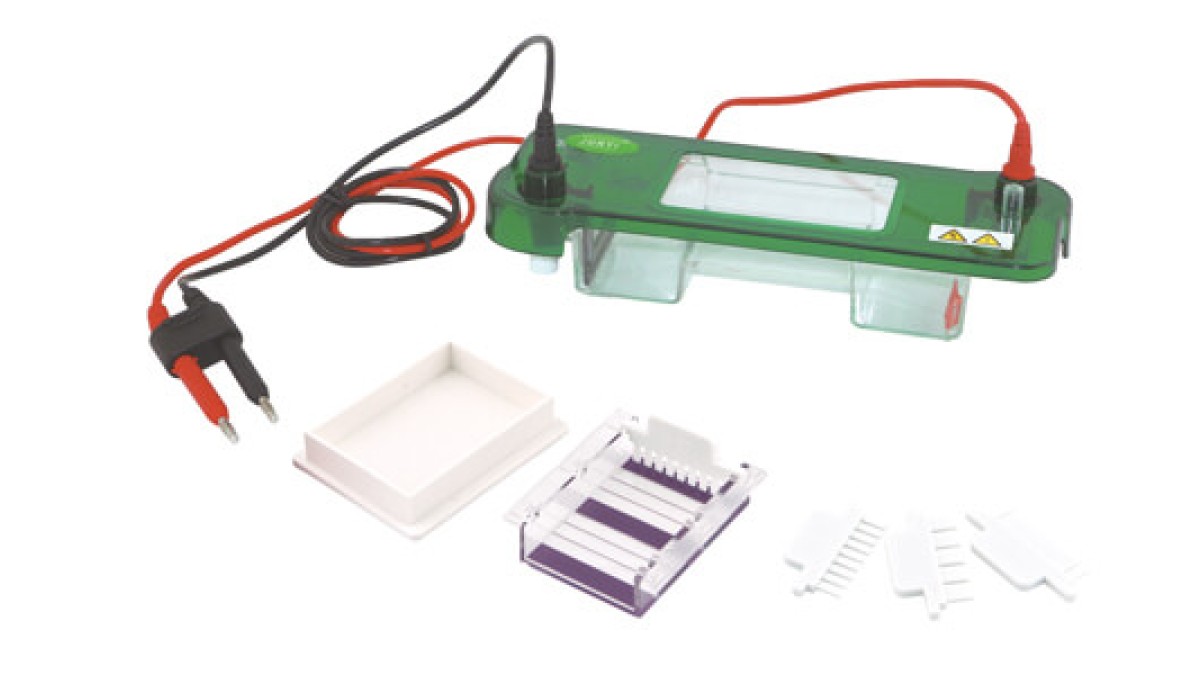
- Preparation of Agarose Gel: Prepare an agarose gel solution based on the required concentration for your samples. Melt the agarose, cool it, and pour it into a gel casting tray with a comb to create wells.
- Sample Preparation: Mix your DNA or protein samples with a loading buffer to ensure that they sink into the wells and to visualize them after electrophoresis.
- Loading Samples: Once the gel solidifies, remove the comb, and carefully load your samples into the wells.
- Connecting the Electrophoresis Unit: Place the gel into the electrophoresis tank, fill it with an appropriate running buffer, and connect the power supply.
- Running the Gel: Run the electrophoresis at a voltage suitable for the gel type and sample size. Monitor the progress of the migration.
- Visualization: After the run is complete, visualize the gel using UV light or staining methods to analyze the separated bands.
Best techniques and protocols
Adhering to best practices and protocols is vital for successful horizontal electrophoresis:
- Ensure precise agarose gel concentrations based on the size of the DNA or protein fragments.
- Run a DNA ladder alongside samples for accurate size estimation.
- Control the temperature during the run to prevent overheating of the gel.
- Utilize high-quality buffers and reagents to maintain consistency and reproducibility.
- Document the experimental setup and conditions for future reference and troubleshooting.
Practical applications by laboratory type
Different laboratory types utilize horizontal electrophoresis for various applications:
- Molecular Biology Labs: Used for cloning, sequencing, and analyzing PCR products.
- Clinical Diagnostics: Essential for genetic testing, including the detection of mutations and diseases.
- Biochemistry Labs: Employed for protein separation and analysis in research and quality control.
- Forensic Labs: Critical for DNA profiling and analysis of biological evidence in criminal investigations.
Regulations, standards and certifications
In 2026, laboratories using horizontal electrophoresis must adhere to various regulations and standards, including:
- ISO 9001: Quality management principles for consistent products and services.
- ISO/IEC 17025: General requirements for the competence of testing and calibration laboratories.
- GLP (Good Laboratory Practice): Ensures reliability and reproducibility of test data.
- Safety standards involving the handling of hazardous materials and equipment.
Comparison with alternative technologies
Horizontal electrophoresis is often compared with other separation techniques such as capillary electrophoresis and high-performance liquid chromatography (HPLC). While horizontal electrophoresis is excellent for large scale separations, capillary electrophoresis offers high resolution for smaller samples and faster analysis times. HPLC, on the other hand, is suitable for complex mixtures and provides better quantitative analysis but is generally more expensive and requires more extensive sample preparation.
Comparison of available models
| Model | Best for | Key specs | Recommended use case |
|---|---|---|---|
| YR03415 | Versatile gel electrophoresis | Dimensions: 250x90x50mm, Weight: 0.4 Kg, Price: $81.00 | Basic DNA and RNA analysis |
| YR03416 | Small-scale experiments | Dimensions: 365x105x55mm, Weight: 0.6 Kg, Price: $136.80 | Applications requiring minimal sample volumes |
| YR03417 | Flexible sample sizes | Dimensions: 300x160x75mm, Weight: 1.1 Kg, Price: $183.00 | Multi-sample electrophoresis |
| YR03418 | Higher capacity experiments | Dimensions: 390x187x63mm, Weight: 2.0 Kg, Price: $201.00 | Complex analyses that involve larger sample sizes |
| YR03419 | Medium-scale applications | Dimensions: 305x152x80mm, Weight: 1.7 Kg, Price: $201.00 | General electrophoresis needs |
| YR03420 | High-throughput scenarios | Dimensions: 397x230x93mm, Weight: 3.3 Kg, Price: $330.60 | Advanced laboratory workflows |
Common mistakes and how to avoid them
Some common mistakes in horizontal electrophoresis include:
- Inaccurate gel concentrations leading to poor resolution. Solution: Always calibrate your agarose concentration based on your sample requirements.
- Overloading wells with samples causing smearing. Solution: Use appropriate loading volumes and concentrations.
- Running the gel under unsuitable voltage, leading to overheating or poor separation. Solution: Follow manufacturer guidelines for voltage settings.
- Poor visualization techniques resulting in unclear results. Solution: Ensure proper staining and visualization methods are employed.
- Inconsistent buffer compositions affecting the run. Solution: Regularly prepare fresh buffers and verify their pH and ionic strength.
Maintenance, calibration and good practices 2026
Maintaining horizontal electrophoresis equipment is essential for longevity and performance:
- Regularly clean gel trays and tanks to eliminate contamination.
- Calibrate power supplies and ensure they are functioning correctly before each use.
- Inspect electrophoresis apparatus for wear and tear and replace damaged parts promptly.
- Document maintenance activities to track performance and identify trends in equipment failure.
Cost-benefit analysis 2026
The cost-benefit analysis of horizontal electrophoresis in 2026 indicates that investing in high-quality equipment can lead to significant savings over time. While initial costs may be higher for advanced models, the increased efficiency, accuracy, and reliability they offer can reduce overall operational costs. Laboratories that frequently conduct electrophoresis analyses will find that the benefits of improved throughput and reduced errors far outweigh the initial investment.
Frequently asked questions
What should I consider when choosing a horizontal electrophoresis model?
When selecting a horizontal electrophoresis model, consider factors such as sample size, volume requirements, gel dimensions, and specific applications to match the equipment to your laboratory needs.
How often should I change my electrophoresis buffer?
Electrophoresis buffer should be changed regularly, ideally after 3-5 runs, to ensure consistent performance and prevent contamination.
What are the best practices for loading samples into the gel?
Use a micropipette for accurate loading, avoid piercing the gel, and ensure an even distribution of samples to prevent smearing.
How can I troubleshoot poor resolution in my gels?
Check agarose concentration, buffer pH, voltage settings, and sample quality. Ensuring these factors are optimized can greatly enhance resolution.
Can I reuse agarose gels?
It is not advisable to reuse agarose gels, as they can become contaminated and lose their integrity, affecting results.
What safety precautions should I take when using electrophoresis equipment?
Always wear personal protective equipment (PPE), including gloves and goggles, and ensure proper ventilation when handling chemicals and running the equipment.
Where can I find high-quality horizontal electrophoresis equipment?
For high-quality horizontal electrophoresis equipment, consider reaching out for expert advice and quotes to ensure you choose the best fit for your laboratory's needs.
If you are looking for a fusion of innovation and quality, you have come to the right place. At Kalstein, we offer you the luxury of exploring our exclusive catalog of laboratory equipment. We manufacture every device to the highest standards of excellence. Our intuitive and seamless online purchasing channels are designed for your convenience, securing the most competitive prices. Hesitate no longer — we bring science to life, it is time to become part of our community.