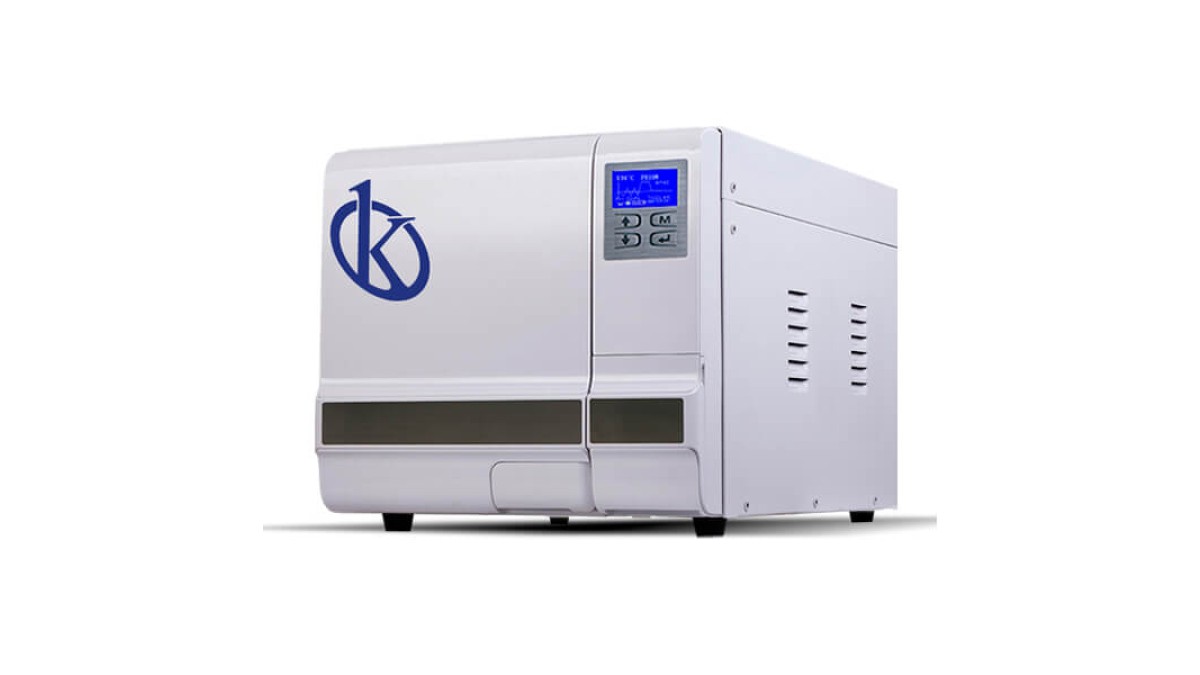
Horizontal Autoclaves: Best Techniques and Protocols 2026
What is it used for in 2026
In 2026, horizontal autoclaves are pivotal in laboratories, clinics, and various health institutions for sterilizing tools and equipment. These devices utilize steam under pressure to eliminate all forms of microbial life, ensuring safety and compliance with health regulations. Their compact designs make them ideal for small businesses, such as tattoo parlors and veterinary clinics, where space is often limited.
History and evolution of the technology
The autoclave was first developed in the 19th century to sterilize surgical instruments. Over the years, horizontal autoclaves have evolved significantly, integrating advanced features such as pre-vacuum cycles, digital controls, and multiple chamber sizes. The transition from manual operation to fully automatic systems has enhanced usability and efficiency, making sterilization processes faster and more reliable.
How to use it step by step
- Prepare the equipment: Clean and package instruments as per laboratory protocols.
- Load the autoclave: Place items in the autoclave's chamber without overcrowding to ensure proper steam penetration.
- Select the cycle: Choose the appropriate sterilization cycle based on the load type and materials used.
- Start the autoclave: Close the door securely and start the sterilization process.
- Monitor the cycle: Use the display to track the status and ensure it completes successfully.
- Unload safely: Once the cycle is complete and the chamber has cooled down, carefully unload the items.
Best techniques and protocols
To ensure effective sterilization, it is crucial to follow best practices such as:
- Use appropriate packaging materials that are compatible with steam sterilization.
- Regularly validate and calibrate the autoclave to maintain effectiveness.
- Implement routine preventive maintenance checks for optimal performance.
- Train staff adequately on operating procedures and safety measures.
Practical applications by laboratory type
Horizontal autoclaves find various applications across diverse laboratory types:
- Medical Laboratories: Sterilizing surgical instruments and glassware.
- Veterinary Clinics: Ensuring the safety of tools used in animal care.
- Beauty Salons: Sterilizing tools to comply with hygiene regulations.
- Research Facilities: Preparing media and laboratory equipment for microbial work.
Regulations, standards and certifications
Adhering to regulations such as EN13060 is vital for the operation of horizontal autoclaves. Certifications ensure that devices meet safety and performance standards, which is crucial for maintaining trust with clients and regulatory bodies.
Comparison with alternative technologies
While steam sterilization remains the gold standard, alternatives such as ethylene oxide sterilization and dry heat sterilization also exist. Each method has its pros and cons, but steam sterilization is preferred for its efficacy and safety.
Comparison of available models
| Model | Best for | Key specs | Recommended use case |
|---|---|---|---|
| YR03387 | Small clinics and beauty salons | 8 L, 1,750W, 50 Kg | Ideal for small batches of instruments |
| YR03388 | Veterinary practices | 12 L, 1,750W, 53 Kg | Best for sterilizing veterinary tools |
| YR03389 | General laboratories | 18 L, 1,750W, 53 Kg | Suitable for varied laboratory applications |
| YR03390 | Research facilities | 23 L, 1,750W, 53 Kg | Optimal for larger sterilization needs |
| YR03385C | High-demand environments | 29 L, 2,300W, 95 Kg | Best for high volume sterilization |
| YR03385B | Extensive clinics | 45 L, 3,800W, 115 Kg | Ideal for extensive sterilization operations |
Common mistakes and how to avoid them
Common mistakes during operation include:
- Overloading the autoclave, which can hinder effective steam penetration.
- Neglecting regular maintenance and calibration checks.
- Using inappropriate packaging materials that can compromise sterilization.
- Failing to train staff adequately on operation protocols.
Maintenance, calibration and good practices 2026
To ensure longevity and effectiveness, perform the following:
- Schedule regular maintenance checks as recommended by the manufacturer.
- Calibrate the autoclave periodically to ensure consistent performance.
- Keep a log of sterilization cycles for tracking and compliance.
Cost-benefit analysis 2026
Investing in a horizontal autoclave can yield significant returns through enhanced safety, compliance with regulations, and improved operational efficiency. While initial costs may be high, the long-term benefits far outweigh the expenditure.
Frequently asked questions
How do I choose the right model for my laboratory?
Select a model based on your volume needs, available space, and specific applications within your laboratory to ensure optimal performance.
What maintenance is required for horizontal autoclaves?
Regular maintenance includes cleaning, calibration, and routine checks to ensure that all components are functioning correctly and efficiently.
Can I use the autoclave for different types of materials?
Yes, but ensure that the materials are compatible with steam sterilization and follow the guidelines provided by the manufacturer.
What is the typical lifespan of a horizontal autoclave?
With proper maintenance, a horizontal autoclave can last for many years, often exceeding a decade, before needing replacement.
Are there training resources available for operating these devices?
Most manufacturers provide training materials and sessions to ensure that operators can utilize the equipment safely and effectively.
What should I do if my autoclave fails to reach the required pressure?
Check for blockages in the steam supply, verify that the door seals properly, and consult a technician if the issue persists.
Where can I find competitive pricing for autoclaves?
Request a quote with various suppliers to compare prices and find the best deals for high-quality models.
If you are looking for a fusion of innovation and quality, you have come to the right place. At Kalstein, we offer you the luxury of exploring our exclusive catalog of laboratory equipment. We manufacture every device to the highest standards of excellence. Our intuitive and seamless online purchasing channels are designed for your convenience, securing the most competitive prices. Hesitate no longer — we bring science to life, it is time to become part of our community.