Honey Refractometers: Practical Applications and Techniques 2026
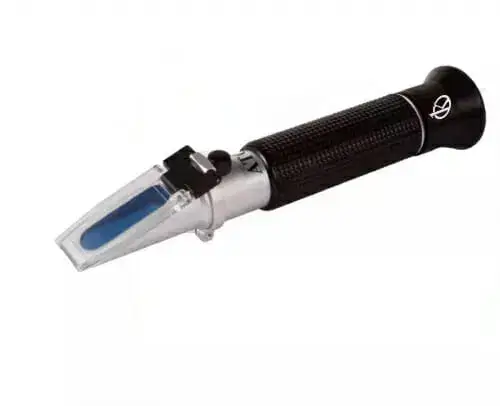
Honey refractometers are crucial tools in the food and beverage industry, particularly in the assessment of honey quality and sugar concentration in various products. This article aims to guide laboratory professionals on the effective use of honey refractometers, exploring their applications, evolution, and best practices for 2026.
What is it used for in 2026
In 2026, honey refractometers serve multiple purposes in the laboratory and field, including:
- Measuring Sugar Concentration: Essential for determining the sugar levels in honey, syrups, and other high-sugar liquids.
- Quality Control: Used to assess the quality of honey post-harvest, ensuring it meets industry standards.
- Ripeness Testing: Helps in checking the maturity of fruits in agriculture, indicating optimal harvest times.
- Monitoring Processing: Assists in ensuring accurate sugar concentrations during the processing and packaging of food products.
History and evolution of the technology
The evolution of refractometry dates back to the 19th century, when scientists first developed the principles of light refraction. Over the decades, the technology has advanced significantly, resulting in more precise and user-friendly devices. Honey refractometers specifically have evolved to meet the increasing demand for quality control in food production, allowing for swift and accurate measurements in both laboratory settings and field applications.
How to use it step by step
Follow these steps to effectively use a honey refractometer:
- Calibration: Begin by calibrating the refractometer according to the manufacturer's instructions, typically using distilled water.
- Sample Preparation: Prepare your honey sample by ensuring it is free from air bubbles and particles.
- Applying the Sample: Place a few drops of honey on the prism surface of the refractometer.
- Reading the Measurement: Close the cover plate and look through the eyepiece to read the Brix level indicated on the scale.
- Record the Results: Document your findings accurately for further analysis.
Best techniques and protocols
To achieve the best results with honey refractometers, consider the following techniques:
- Use a consistent sample volume for measurements to ensure accuracy.
- Avoid direct sunlight or strong artificial light when taking readings, as this can affect the visibility of the scale.
- Ensure the refractometer is kept clean and free of residues after each use.
- Regularly check calibration, especially when switching between different samples or types of liquids.
Practical applications by laboratory type
Honey refractometers are versatile tools suited for various laboratory environments:
- Quality Assurance Labs: Used for testing honey and syrup quality during production.
- Food Science Research: Employed in studies involving sugar content and its effects on food properties.
- Agricultural Testing Facilities: Utilized for assessing the ripeness of fruits and vegetables.
Regulations, standards and certifications
Honey refractometers must adhere to various industry regulations to ensure safety and accuracy. Standards such as ISO 9001 and ASTM E287 are essential for calibration and measurement accuracy. It is crucial to stay updated with local and international food safety regulations to ensure compliance.
Comparison with alternative technologies
While honey refractometers are widely used, alternative technologies exist:
- Hydrometers: Used for measuring the specific gravity of liquids but can be less accurate than refractometers for sugar content.
- Digital Refractometers: Offer electronic readings and are often user-friendly, but can be more expensive to maintain.
- Conductivity Meters: Used for similar applications but focus more on ion concentration rather than sugar levels.
Comparison of available models
| Model | Best for | Key specs | Recommended use case |
|---|---|---|---|
| YR05885 | High sugar content liquids | 58-92% Brix, 38-43 Be’, 12-27% water | Monitoring honey quality pre and post-harvest |
| YR05885-1 | High sugar concentrations | 58-92% Brix, 38-43 Be’, 12-27% water | Food processing and syrup production |
| YR05885-2 | High sugar levels | 58-92% Brix, 38-43 Be’, 12-27% water | Quality control and testing |
| YR05886 | Low to moderate sugar concentrations | 10-30% water | Testing sugar levels in less sweet products |
Common mistakes and how to avoid them
Laboratory professionals can avoid common pitfalls by being aware of these mistakes:
- Neglecting Calibration: Always calibrate before use; failure to do so can lead to inaccurate readings.
- Improper Sample Handling: Ensure samples are not contaminated and handled properly to avoid erroneous results.
- Ignoring Temperature Variations: Be aware of the temperature effects on measurements; using the device outside its operational temperature range can skew results.
Maintenance, calibration and good practices 2026
To maintain honey refractometers effectively:
- Clean the prism after every use with a soft cloth to avoid residue buildup.
- Calibrate regularly, especially when using different liquid types.
- Store the refractometer in a protective case to avoid physical damage.
- Train all users on proper handling and measurement techniques to ensure consistent results.
Cost-benefit analysis 2026
Investing in honey refractometers offers significant advantages:
- Accuracy: High precision for quality analysis justifies the cost in commercial contexts.
- Time-Saving: Quick results lead to faster decision-making in production processes.
- Quality Assurance: Assurance of product quality enhances brand reputation and consumer trust.
Frequently asked questions
How can I choose the right honey refractometer for my needs?
Consider the specific sugar concentration range you need to measure, the accuracy requirements, and whether you need a portable or digital model for your applications.
What parameters should I check before using a honey refractometer?
Always check the calibration status, ensure the sample is at the correct temperature, and inspect for any residue on the prism before taking measurements.
Is it necessary to calibrate the refractometer regularly?
Yes, regular calibration is crucial to maintain accuracy, especially when switching between different types of samples or after extensive use.
Can I use a honey refractometer for other liquids?
While honey refractometers are designed for high-sugar liquids, they can also be useful for syrups and certain fruit juices. However, be cautious about the range of measurements.
What are the best practices for cleaning a honey refractometer?
Use a soft, lint-free cloth to gently wipe the prism and avoid using any harsh chemicals that might scratch the surface.
How often should I perform maintenance on my refractometer?
Conduct maintenance checks after each use, and plan for more thorough cleaning and calibration on a weekly or monthly basis, depending on usage frequency.
Where can I request a quote for honey refractometers?
You can request a quote directly through our service channels, where we offer competitive pricing and expert assistance.
If you are looking for a fusion of innovation and quality, you have come to the right place. At Kalstein, we offer you the luxury of exploring our exclusive catalog of laboratory equipment. We manufacture every device to the highest standards of excellence. Our intuitive and seamless online purchasing channels are designed for your convenience, securing the most competitive prices. Hesitate no longer — we bring science to life, it is time to become part of our community.