Histopathology Accessories And Consumables Package: Practical Step-by-Step Guide for 2026
In laboratory settings, histopathology accessories and consumables play a crucial role in ensuring accurate and efficient sample processing. These accessories, which include microtome blades, embedding cassettes, and paraffin products, can significantly influence the quality of histological analysis. In this guide, we will explore the best practices for utilizing these tools effectively in 2026.
What is it used for in 2026
In 2026, histopathology accessories and consumables are essential for the preparation, processing, and analysis of tissue samples. They are used to:
- Enhance the quality of histological preparations.
- Reduce errors in sample handling and processing.
- Facilitate the consistent and reliable staining of tissue samples.
- Support a variety of laboratory workflows, including diagnostic pathology and research applications.
History and evolution of the technology
The technology behind histopathology accessories has evolved significantly over the years. Initially, manual techniques were employed for tissue processing, which required extensive skill and time. With the advancement of technology, disposable tools such as the microtome blade were introduced, allowing for greater precision and efficiency. Today, various models of histopathology accessories are designed to meet the diverse needs of laboratories, ensuring consistent and high-quality results.
How to use it step by step
Using histopathology accessories and consumables involves a systematic approach:
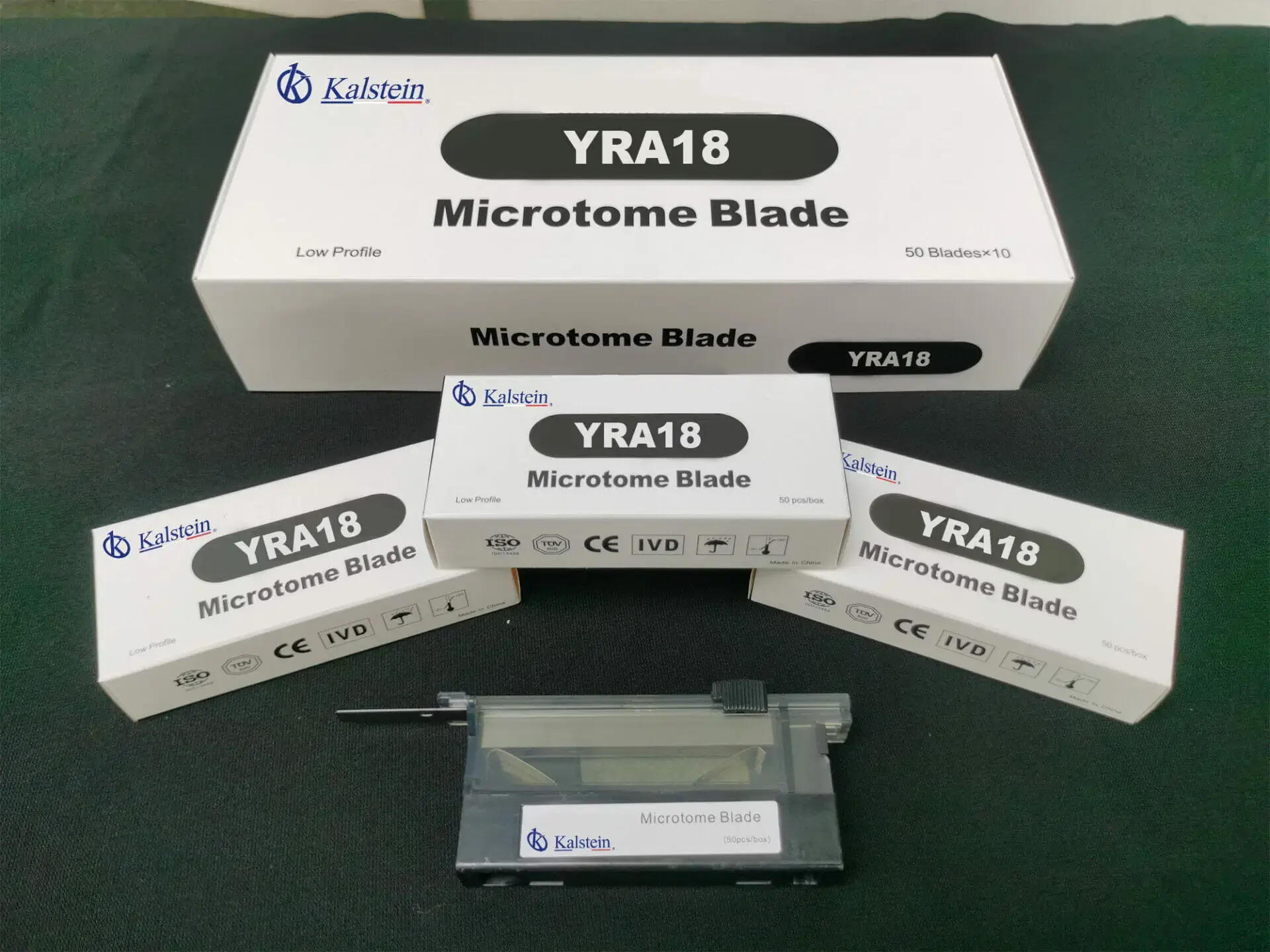
- Select the appropriate microtome blade: Choose between low profile (YRA18-1) and high profile (YRA19-1) blades based on the tissue type.
- Prepare the sample: Ensure the tissue sample is adequately fixed and embedded in paraffin.
- Embedding: Use embedding cassettes (YRA20-1 or YRA21-1) for proper tissue orientation and support.
- Sectioning: Utilize the selected microtome blade to create thin sections of the embedded tissue.
- Staining: Follow staining protocols suitable for the tissue type and intended analysis.
Best techniques and protocols
To achieve optimal results, adhere to these best techniques and protocols:
- Utilizing the correct blade orientation for different tissue types.
- Maintaining consistency in cutting speed and pressure during sectioning.
- Ensuring cleanliness and proper handling of embedding cassettes to prevent contamination.
- Adhering to standard operating procedures for staining and mounting.
Practical applications by laboratory type
Histopathology accessories and consumables find applications across various laboratory types, including:
- Clinical laboratories: For diagnostic purposes, ensuring accurate and timely results.
- Research laboratories: Supporting studies in cellular biology and disease pathology.
- Educational institutions: Providing essential tools for teaching histology techniques.
Regulations, standards and certifications
Laboratories must comply with regulations and standards governing histopathology processes, including:
- ISO standards for laboratory practices.
- CAP (College of American Pathologists) guidelines for laboratory accreditation.
- Local health and safety regulations regarding the use of consumables.
Comparison with alternative technologies
Compared to alternative technologies, such as manual sectioning or older embedding techniques, modern histopathology accessories offer:
- Increased efficiency and time-saving.
- Improved accuracy in tissue sectioning.
- Reduced risk of contamination and processing errors.
Comparison of available models
| Model | Best for | Key specs | Recommended use case |
|---|---|---|---|
| YRA18-1 | Low profile sectioning | USD 10,000 | Normal tissue processing |
| YRA19-1 | High profile sectioning | USD 1,600 | Thicker tissue samples |
| YRA20-1 | Tissue embedding | USD 252 | Embedding for microscopic analysis |
| YRA21-1 | Plastic embedding | USD 144 | Durable and reliable embedding |
| YRA33-2 | Paraffin block usage | USD 60 | Standard paraffin embedding |
| YRA33-3 | Granular paraffin | USD 60 | For precise embedding needs |
Common mistakes and how to avoid them
To improve laboratory processes, avoid these common mistakes:
- Using the wrong blade type for specific tissue samples.
- Neglecting to clean and maintain equipment regularly.
- Skipping essential steps in embedding and sectioning protocols.
Maintenance, calibration and good practices 2026
Maintaining histopathology accessories requires:
- Regular cleaning of microtome blades and embedding cassettes.
- Calibration checks to ensure equipment accuracy.
- Following manufacturer guidelines for consumable usage.
Cost-benefit analysis 2026
Investing in high-quality histopathology accessories can lead to:
- Reduced costs associated with errors and reprocessing.
- Improved turnaround times for sample analysis.
- Higher accuracy in diagnostic results, leading to better patient outcomes.
Frequently asked questions
What factors should I consider when choosing a microtome blade?
Consider tissue type, thickness required for sectioning, and the characteristics of the blade, such as profile height and material.
How can I ensure consistent section thickness?
Use a calibrated microtome, maintain a steady cutting speed, and regularly check the sharpness of the blade.
What are the best practices for embedding tissue samples?
Ensure proper fixation, use adequate embedding medium, and orient the tissue correctly within the cassette.
How can I avoid contamination during the histopathology process?
Use sterile tools, maintain a clean workspace, and follow standard protocols for handling samples.
What are the benefits of using disposable cassettes?
Disposable cassettes reduce the risk of cross-contamination and save time in cleaning and maintenance.
How often should equipment be calibrated?
Regular calibration is recommended, ideally every six months, or more frequently if the equipment is heavily used.
Where can I request a quote for histopathology accessories?
You can request a quote for our high-quality histopathology accessories and consumables by contacting us directly.
If you are looking for a fusion of innovation and quality, you have come to the right place. At Kalstein, we offer you the luxury of exploring our exclusive catalog of laboratory equipment. We manufacture every device to the highest standards of excellence. Our intuitive and seamless online purchasing channels are designed for your convenience, securing the most competitive prices. Hesitate no longer — we bring science to life, it is time to become part of our community.