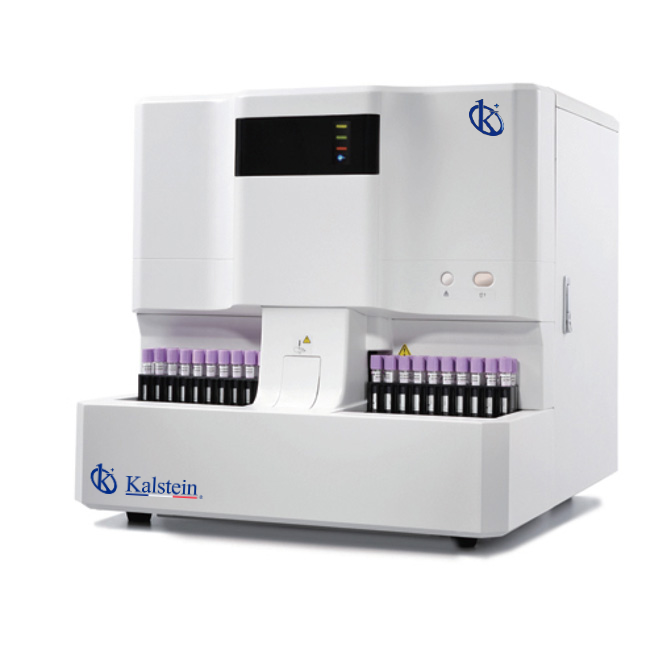
Hematology Analyzers: Practical Applications and Techniques 2026
In the ever-evolving landscape of laboratory diagnostics, hematology analyzers play a crucial role in the analysis of blood samples. In 2026, these devices are not just tools, but gateways to better understanding and faster diagnostics. This article delves into the multifaceted applications, techniques, and best practices surrounding hematology analyzers, equipping laboratory professionals with the knowledge needed to navigate this essential technology.
What is it used for in 2026
Hematology analyzers are designed for the quantitative and qualitative analysis of blood components including red blood cells, white blood cells, and platelets. As of 2026, they are primarily used in clinical laboratories for:
- Routine Blood Tests: Complete Blood Count (CBC) and differential counts.
- Research Applications: Investigating blood diseases, monitoring treatment efficacy, and understanding hematological disorders.
- Emergency Diagnostics: Rapid assessment in emergency departments to evaluate patients’ conditions.
- Transfusion Medicine: Assessing blood compatibility and managing blood banks efficiently.
History and evolution of the technology
The journey of hematology analyzers began in the early 20th century, starting from manual microscopic counts to the first automated systems introduced in the 1950s. Over the decades, advancements in technology led to:
- Introduction of Automated Systems: Reducing human error and increasing throughput.
- Development of Laser Technologies: Enhancing precision in cell differentiation and counting.
- Integration of Software Solutions: Streamlining data management and analysis, ensuring compliance with regulations.
Today, hematology analyzers are equipped with sophisticated algorithms and user-friendly interfaces, making them essential in laboratories worldwide.
How to use it step by step
Utilizing a hematology analyzer effectively requires adherence to a systematic process:
- Preparation: Gather necessary samples and reagents while ensuring the analyzer is calibrated and ready.
- Sample Collection: Collect blood samples using appropriate techniques (e.g., venipuncture, capillary). Ensure correct sample identification.
- Loading Samples: Place samples in the analyzer's automatic loader, ensuring alignment with the instructions.
- Running the Analysis: Select the appropriate test mode (e.g., CBC) and start the analysis procedure.
- Interpreting Results: Review the output for abnormalities and prepare reports as needed.
- Post-Analysis Procedures: Clean the analyzer and ensure proper disposal of biological waste.
Best techniques and protocols
To ensure accurate and reliable results, employing best practices is vital:
- Sample Handling: Always follow protocols for sample collection, storage, and processing.
- Calibration: Regularly calibrate the analyzer according to manufacturer specifications to maintain accuracy.
- Quality Control: Implement routine quality control measures, including the use of control samples.
- Data Management: Utilize software solutions for efficient data tracking, reporting, and compliance with regulations.
Practical applications by laboratory type
Different laboratory settings utilize hematology analyzers for various applications:
- Clinical Laboratories: Routine testing for patient diagnostics and monitoring.
- Research Laboratories: Analyzing samples for clinical trials or studies related to blood disorders.
- Blood Banks: Ensuring safety and efficiency in blood transfusions.
- Veterinary Laboratories: Conducting hematology tests for animal health assessments.
Regulations, standards and certifications
In 2026, adherence to regulations is crucial for hematology analyzers:
- ISO Standards: Compliance with ISO 15189 ensures quality management in medical laboratories.
- CLIA Regulations: Laboratories must meet CLIA requirements for laboratory testing.
- Device Certifications: Ensure devices are certified by relevant authorities such as the FDA or CE.
Comparison with alternative technologies
While hematology analyzers dominate blood analysis, alternatives exist:
- Manual Microscopy: Time-consuming and subject to human error but allows for detailed examination.
- Point-of-Care Testing: Offers quick results, though often with less comprehensive data compared to full analyzers.
The choice between these technologies depends on laboratory needs, resources, and patient volume.
Comparison of available models
| Model | Best for | Key specs | Recommended use case |
|---|---|---|---|
| YR06080 | High-throughput labs | 60 samples/hour, 28 parameters | Busy clinical settings with high demand |
| YR05123 | Precision analysis | 60 samples/hour, 3D topographic mapping | Labs requiring detailed white blood cell analysis |
| YR05122-1 | Advanced diagnostics | 29 parameters, 60 samples/hour | Research laboratories and advanced diagnostics |
| YR05122 | Routine testing | 23 parameters, 35 samples/hour | Standard clinical practices |
| YR05121 | General use | 23 parameters, 35 samples/hour | Basic hematology testing |
| YR05120 | Cost-effective solution | 23 parameters, 35 samples/hour | Labs with budget constraints |
Common mistakes and how to avoid them
Laboratories can encounter pitfalls when using hematology analyzers:
- Inaccurate Sample Handling: Ensure proper collection techniques to minimize contamination.
- Calibration Errors: Regularly check calibration to avoid erroneous results.
- Neglecting Quality Control: Incorporate routine quality checks to maintain reliability.
Maintenance, calibration and good practices 2026
Maintaining hematology analyzers ensures longevity and performance:
- Regular Cleaning: Follow maintenance schedules for cleaning internal and external components.
- Calibration: Schedule periodic calibrations as recommended by the manufacturer.
- Documentation: Keep detailed records of maintenance and calibrations for compliance.
Cost-benefit analysis 2026
When evaluating the purchase of a hematology analyzer, consider:
- Initial Investment: Weigh the upfront costs against long-term efficiency and reliability.
- Operational Costs: Factor in maintenance, reagents, and training costs.
- Return on Investment: Analyze how increased throughput and accuracy can lead to better patient outcomes and reduced re-tests.
Frequently asked questions
What are the key features to look for in a hematology analyzer?
When selecting a hematology analyzer, consider features such as sample capacity, the number of parameters tested, ease of use, and data management capabilities. Additionally, look for models that offer fast throughput and reliable results.
How do I ensure accurate results from my hematology analyzer?
To ensure accuracy, always follow proper sample collection and handling protocols, perform regular calibrations and maintenance, and conduct quality control checks with control samples.
What are the differences between manual and automated hematology analyzers?
Manual analyzers require more time and are subject to human error, while automated analyzers increase efficiency, reduce errors, and provide comprehensive data analysis with faster results.
Can hematology analyzers be used for veterinary applications?
Yes, many hematology analyzers can be used in veterinary laboratories for analyzing animal blood samples, aiding in diagnostics and monitoring animal health.
What is the importance of calibration in hematology analyzers?
Calibration is crucial as it ensures the analyzer provides accurate measurements. Regular calibration helps maintain reliability and compliance with laboratory standards.
How often should maintenance be performed on hematology analyzers?
Maintenance should be performed regularly, as recommended by the manufacturer. This typically includes cleaning, calibration, and quality control checks.
Where can I find the best hematology analyzers for my lab?
It's essential to research and compare different models based on your lab's specific needs and budget. Consult with suppliers and request quotes to find the best options available.
If you are looking for a fusion of innovation and quality, you have come to the right place. At Kalstein, we offer you the luxury of exploring our exclusive catalog of laboratory equipment. We manufacture every device to the highest standards of excellence. Our intuitive and seamless online purchasing channels are designed for your convenience, securing the most competitive prices. Hesitate no longer — we bring science to life, it is time to become part of our community.