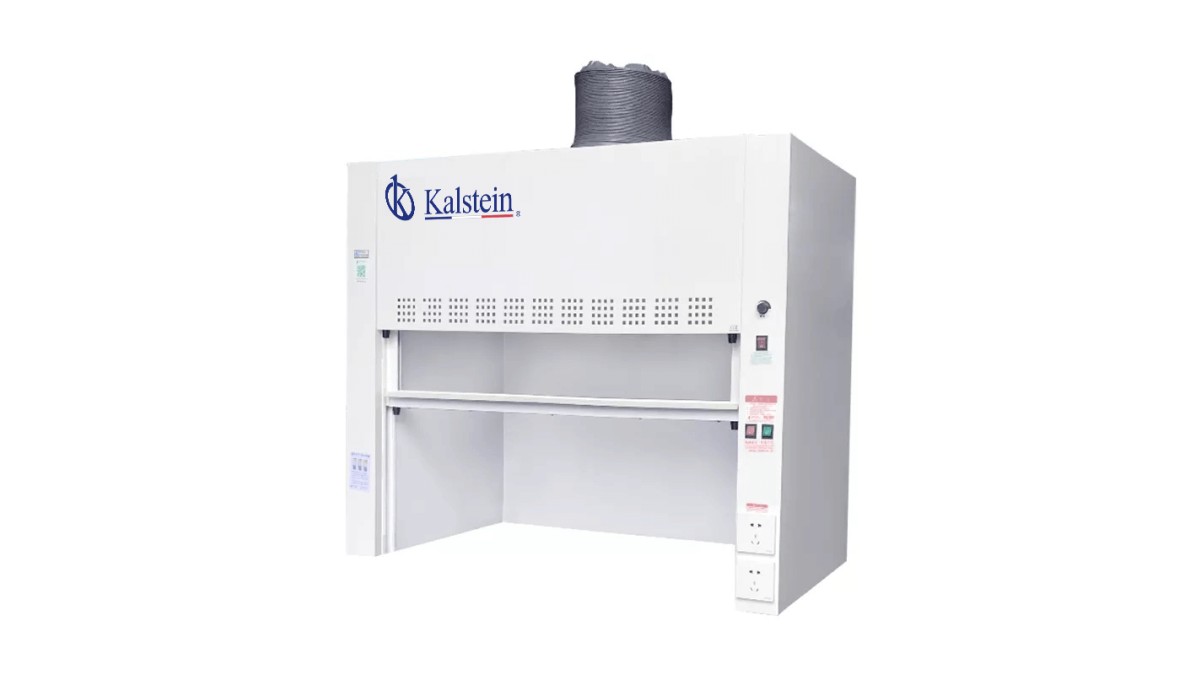
Fume Hood Cabinets: Practical Usage Guide Step by Step in 2026
Fume hoods are essential components in laboratory environments, ensuring safety through effective air quality control while working with hazardous materials. This guide aims to equip laboratory professionals with a comprehensive understanding of how to use fume hood cabinets effectively in 2026, detailing their applications, techniques, and best practices.
What is it used for in 2026
Fume hood cabinets are primarily used to provide a safe working environment for laboratory personnel handling volatile substances. In 2026, their applications have expanded to include:
- Protection from toxic fumes, vapors, and dust.
- Containment of hazardous chemical reactions.
- Providing a controlled environment for chemical analysis.
- Enhancing ventilation in laboratories to ensure compliance with safety standards.
History and evolution of the technology
The concept of fume hoods dates back to the early 20th century when concerns regarding laboratory safety began to rise. Over the decades, advancements in materials and design have led to the modern fume hood cabinets we know today — equipped with features such as:
- Improved airflow design for better fume containment.
- Use of durable and chemical-resistant materials like epoxy-coated steel.
- Integration of advanced technologies such as LED lighting and adjustable fans for enhanced usability.
How to use it step by step
Using a fume hood cabinet effectively involves the following steps:
- Preparation: Ensure that all materials and equipment are ready for use inside the fume hood.
- Check Ventilation: Verify that the fume hood is functioning properly by checking airflow indicators.
- Setup: Place your materials at least 6 inches inside the hood to maximize safety.
- Conduct Work: Perform experiments or handle chemicals while maintaining awareness of the hood’s airflow.
- Cleanup: Safely dispose of waste materials and clean the workspace after completing your work.
Best techniques and protocols
To maximize safety and efficiency when using fume hood cabinets, laboratory professionals should follow these best practices:
- Always keep the sash at the appropriate height for optimal airflow.
- Minimize clutter inside the hood to maintain effective air circulation.
- Use appropriate personal protective equipment (PPE) while working.
- Regularly inspect and maintain the fume hood to ensure it meets safety standards.
Practical applications by laboratory type
Fume hoods find application in various laboratory types:
- Chemistry Laboratories: For handling volatile solvents and performing reactions.
- Biology Laboratories: To protect against biohazards when working with pathogens.
- Pharmaceutical Laboratories: In processes involving hazardous drugs and chemicals.
Regulations, standards and certifications
In 2026, fume hood cabinets must comply with various safety standards and regulations, including:
- OSHA regulations regarding laboratory safety.
- ANSI/AIHA Z9.5 standard for laboratory ventilation.
- NFPA guidelines on fire safety in laboratories.
Comparison with alternative technologies
Alternative technologies to fume hoods include:
- Glove Boxes: Provide a sealed environment for handling hazardous materials.
- Ventilated Workstations: Offer localized ventilation for specific tasks but may not contain spills as effectively.
Comparison of available models
| Model | Best for | Key specs | Recommended use case |
|---|---|---|---|
| YR05808 | General laboratory use | Dimensions: 650x650x1000 mm, Price: $390.00 | Ideal for small-scale chemical experiments. |
| YR05809 | General chemical handling | Dimensions: 800x650x1000 mm, Price: $420.00 | Best suited for moderate chemical usage in labs. |
| YR05810 | Advanced chemical analysis | Dimensions: 1000x650x1000 mm, Price: $470.00 | Perfect for laboratories conducting complex analyses. |
| YR05811 | High-capacity needs | Dimensions: 1000x650x1000 mm, Price: $508.00 | Suitable for labs with high-volume chemical workflows. |
| YR05812 | Heavy-duty usage | Dimensions: 1500x650x1000 mm, Price: $526.00 | Ideal for large-scale experiments and chemical processing. |
| YR05813 | General laboratory use | Dimensions: 800x650x1900 mm, Price: $610.00 | Best for applications requiring additional height. |
Common mistakes and how to avoid them
Common mistakes when using fume hood cabinets include:
- Not checking airflow before use — always ensure the hood is functioning properly.
- Overloading the workspace — keep only necessary items inside the hood.
- Ignoring maintenance — regularly service the fume hood to maintain performance.
Maintenance, calibration and good practices 2026
Proper maintenance is crucial for optimal fume hood performance:
- Schedule regular inspections to check for any airflow or structural issues.
- Ensure that the sash is functioning correctly and easily adjustable.
- Calibrate airflow sensors according to manufacturer guidelines.
Cost-benefit analysis 2026
Investing in a fume hood provides significant benefits, including:
- Enhanced safety for laboratory personnel.
- Mitigation of chemical exposure risks.
- Compliance with safety regulations, avoiding potential fines.
Frequently asked questions
How do I determine the right size fume hood for my laboratory?
To determine the right size fume hood, consider the types of experiments you will conduct, the volume of chemicals needed, and the amount of workspace required. It's advisable to consult with a laboratory safety expert to assess your specific needs.
What are the key features to look for in a fume hood?
Key features include adequate airflow, sash height adjustment, durable materials, and built-in lighting. Look for models with integrated safety features, such as alarms for airflow issues.
How often should I perform maintenance on my fume hood?
Regular maintenance should be performed at least annually, but more frequent checks are recommended, especially in high-use environments. This includes inspecting airflow, functionality, and cleanliness.
Can fume hoods be used for all types of chemicals?
While fume hoods are designed for many hazardous chemicals, always refer to the manufacturer’s specifications regarding compatibility with specific substances. Some highly corrosive or reactive materials may require specialized fume hoods.
What is the impact of proper fume hood use on laboratory safety?
Proper use of fume hoods significantly reduces exposure to harmful chemical vapors, thereby enhancing safety and preventing accidents in the laboratory environment. It helps maintain compliance with safety regulations.
What training is necessary for using a fume hood?
Laboratory personnel should receive training on the proper use of fume hoods, understanding airflow dynamics, and emergency procedures. Regular refreshers and updates on safety protocols are highly beneficial.
If you are looking for a fusion of innovation and quality, you have come to the right place. At Kalstein, we offer you the luxury of exploring our exclusive catalog of laboratory equipment. We manufacture every device to the highest standards of excellence. Our intuitive and seamless online purchasing channels are designed for your convenience, securing the most competitive prices. Hesitate no longer — we bring science to life, it is time to become part of our community.