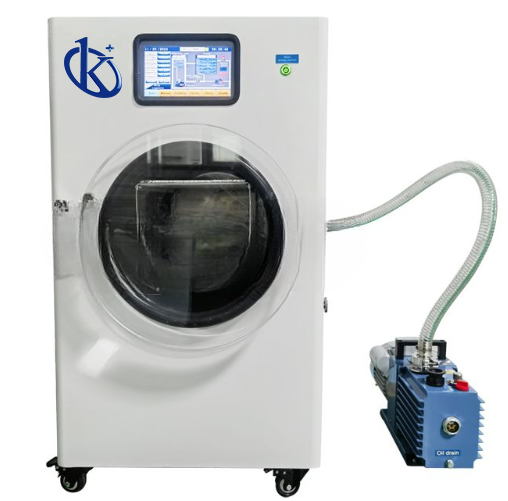
Food Freeze Dryers: Practical Applications and Techniques 2026
What is it used for in 2026
Food freeze dryers are essential for preserving the quality and nutritional value of various food products. By removing moisture from foods while maintaining their structure and flavor, these devices enable long-term storage without the need for refrigeration. In 2026, they find applications in commercial food processing, research laboratories, and even in home settings where individuals aim for sustainable food preservation. Foods such as fruits, vegetables, and even complete meals can be freeze-dried, making them lightweight and easy to rehydrate whenever needed.
History and evolution of the technology
The process of freeze-drying, or lyophilization, dates back to the early 20th century when it was first developed for preserving blood serum and penicillin. Over the decades, advancements in technology have led to the development of more efficient and user-friendly food freeze dryers. Today, modern machines are equipped with sophisticated controls, enhancing the ability to manage temperature and vacuum, thus optimizing the drying process and product quality.
How to use it step by step
Using a food freeze dryer involves several key steps:
- Preparation: Wash and cut the food into uniform pieces to ensure even drying.
- Pre-freezing: Lay the prepared food on the trays and pre-freeze them in the machine or a separate freezer until solid.
- Loading: Place the trays inside the freeze dryer and close the door securely.
- Setting Parameters: Configure the settings for vacuum pressure and temperature according to the manufacturer's guidelines.
- Start the Process: Activate the machine and monitor the process using any available software or display.
- Completion: Once the cycle is complete, check for dryness and store the food in airtight containers.
Best techniques and protocols
To achieve optimal results, consider the following techniques:
- Pre-treat foods, such as blanching vegetables, to enhance color and flavor retention.
- Utilize vacuum settings appropriate for the type of food being dried.
- Maintain consistent temperatures throughout the drying cycle to ensure uniform results.
- Use opaque containers for storage post-drying to limit exposure to light.
Practical applications by laboratory type
Food freeze dryers are utilized across various laboratory settings, including:
- Research Laboratories: For developing new food products and studying preservation methods.
- Quality Control Labs: To test and ensure the stability of food products over time.
- Commercial Food Production: To produce lightweight and shelf-stable food items for distribution.
Regulations, standards and certifications
In 2026, food freeze dryers must comply with various regulations and certifications to ensure food safety and quality. Key regulatory bodies include the Food and Drug Administration (FDA) and the European Food Safety Authority (EFSA). Manufacturers are required to follow Good Manufacturing Practices (GMP) and adhere to specific standards for food safety, ensuring that products processed through freeze-drying meet health guidelines.
Comparison with alternative technologies
While freeze-drying is a preferred method for preserving food, it is essential to compare it with other techniques like dehydration and canning:
- Dehydration: Generally less expensive but can affect flavor and color due to high temperatures.
- Canning: Provides a long shelf-life but may require preservatives and alters the texture of food.
Comparison of available models
| Model | Best for | Key specs | Recommended use case |
|---|---|---|---|
| YR05984 | Compact Food Drying | Power Consumption: 1550w, Tray Area: 0.4m2, Batch Size: 4-6kg | Small to medium-scale food preservation |
| YR05983 | Home Use | Power Consumption: 1100w, Tray Area: 0.1m2, Batch Size: 1-2kg | At-home freeze drying for personal use |
| YR05985 | Fruits and Vegetables | Power Consumption: 2000w, Tray Area: 0.6m2, Batch Size: 6-8kg | High-volume drying of fruits and vegetables |
| YR06612 | Large Scale Production | Power Consumption: 150kw, Tray Area: 52.92m2, Batch Size: 500kg | Industrial applications in food production |
Common mistakes and how to avoid them
Practitioners often make mistakes that can hinder the effectiveness of freeze-drying:
- Not pre-freezing: Always pre-freeze food before placing it in the freeze dryer to ensure efficiency.
- Overloading trays: Keep the trays spaced evenly to ensure air circulation and uniform drying.
- Ignoring humidity levels: Monitor ambient humidity, as it can affect the drying process.
Maintenance, calibration and good practices 2026
Regular maintenance ensures optimal performance:
- Clean trays and vacuum seals after each use to prevent contamination.
- Calibrate temperature settings regularly according to manufacturer guidelines.
- Inspect seals and gaskets for wear and tear periodically.
Cost-benefit analysis 2026
Investing in a food freeze dryer can yield significant returns, especially for businesses. Here’s a simple analysis:
- Initial Cost: Higher upfront costs compared to traditional methods.
- Long-term Savings: Reduced food waste, longer shelf life, and minimal storage costs.
- Market Potential: Increased demand for freeze-dried products in the health-conscious consumer segment.
Frequently asked questions
What should I consider when choosing a food freeze dryer?
Consider factors such as capacity, power consumption, and the types of food you intend to process. It's vital to select a model that aligns with your production needs and space constraints.
How long does the freeze-drying process take?
The duration varies based on the type of food and moisture content, generally ranging from 24 to 48 hours. Ensure to check the manufacturer’s specifications for specific timings.
Can I freeze-dry liquids?
Yes, but they require special processes and equipment modifications. Most standard food freeze dryers are designed for solids and semi-solids.
How do I store freeze-dried food?
Store in airtight containers in a cool, dark place to maximize shelf life. Use oxygen absorbers for enhanced preservation.
Is it safe to eat freeze-dried food?
Yes, freeze-dried food is safe to eat, often retaining most of its nutrients and flavor if processed correctly and stored properly.
What are some common uses for freeze-dried products?
Freeze-dried products are popular for camping, emergency food supplies, and adding to meals for extended shelf life with preserved flavor and nutrition.
How often should I maintain my food freeze dryer?
Routine maintenance should occur after each use, with deep cleaning and calibration checks performed regularly according to the manufacturer's guidelines.
If you are looking for a fusion of innovation and quality, you have come to the right place. At Kalstein, we offer you the luxury of exploring our exclusive catalog of laboratory equipment. We manufacture every device to the highest standards of excellence. Our intuitive and seamless online purchasing channels are designed for your convenience, securing the most competitive prices. Hesitate no longer — we bring science to life, it is time to become part of our community.