Explosion-proof Cabinets: Practical Usage Guide for 2026
In laboratory settings, safety is paramount, especially when dealing with flammable and hazardous materials. Explosion-proof cabinets are essential for ensuring the safe storage of these substances. In this comprehensive guide, we will explore the practical applications, techniques, best practices, and real workflows involving explosion-proof cabinets in 2026.
What is it used for in 2026
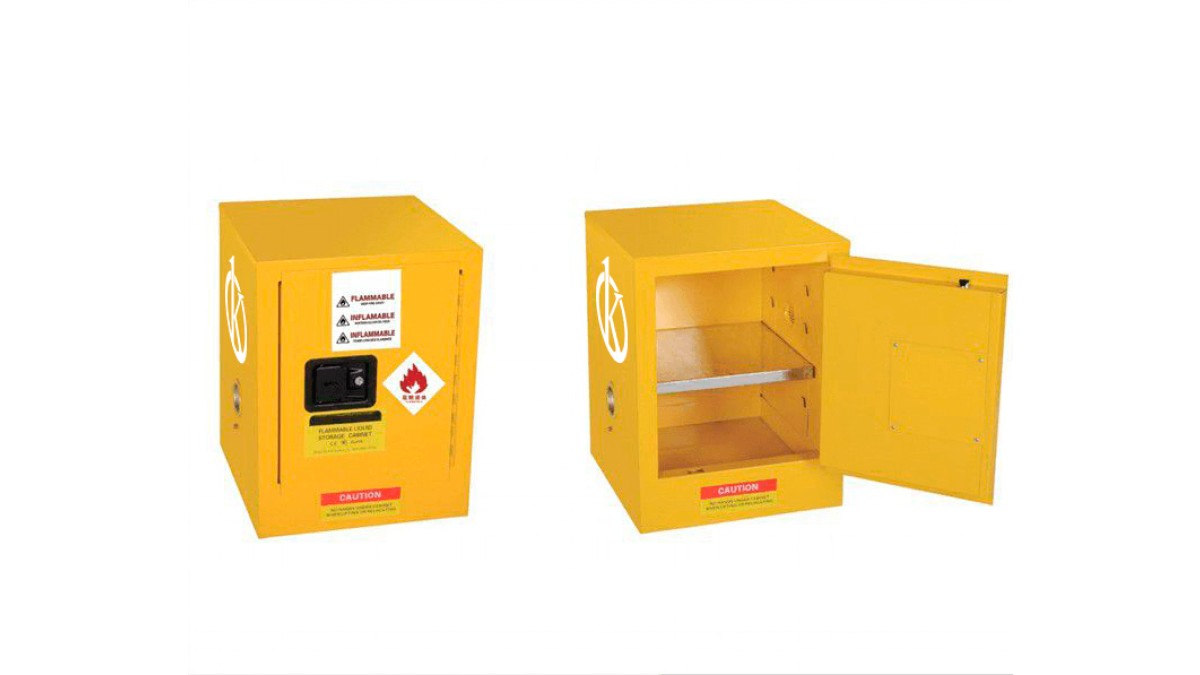
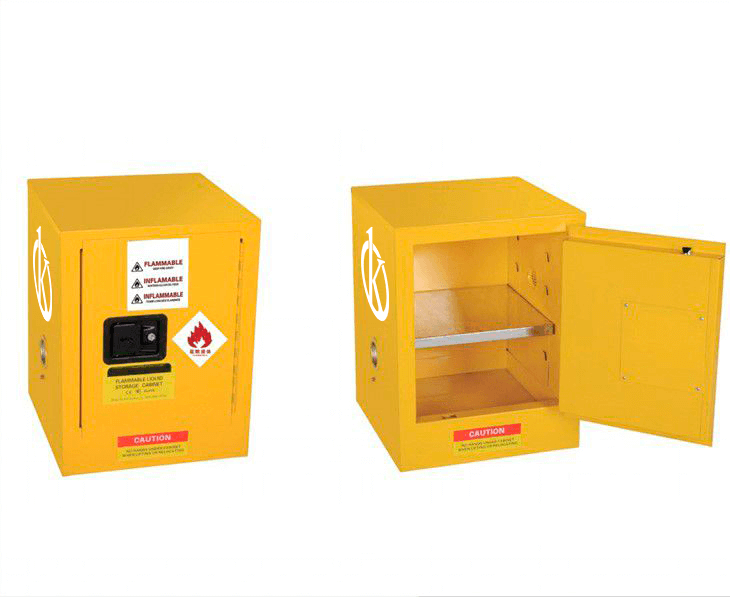
Explosion-proof cabinets are specifically designed to safely store volatile substances like flammable liquids, aerosols, and other hazardous materials. They protect against fires and explosions, ensuring a secure environment for laboratory professionals. With advancements in materials and technology, these cabinets now offer enhanced features such as improved ventilation, better insulation, and increased capacity, making them indispensable in laboratories across various industries.
History and evolution of the technology
The concept of explosion-proof storage dates back to the early 20th century when laboratories began recognizing the dangers posed by volatile chemicals. Initially, cabinets were built from heavy metal and lacked standardized safety features. Over the decades, regulations and safety standards have evolved, leading to the development of more sophisticated models that prioritize user safety and environmental protection. Innovations in materials science have allowed for lighter yet robust designs, and features such as double-lock systems and adjustable shelving have been integrated into newer models.
How to use it step by step
Using an explosion-proof cabinet effectively involves several key steps:
- Select the appropriate cabinet: Choose a model based on the type and quantity of materials you need to store.
- Position the cabinet: Place the cabinet in a well-ventilated area, away from heat sources and direct sunlight.
- Load materials: Place hazardous materials inside the cabinet, ensuring they are properly labeled and stored according to their compatibility.
- Secure the cabinet: Use the cabinet’s locking mechanisms to ensure that only authorized personnel can access the stored materials.
- Regular inspections: Periodically check the cabinet for wear and tear, ensuring that all locking mechanisms function correctly.
Best techniques and protocols
To maximize the safety and efficiency of using explosion-proof cabinets, consider the following protocols:
- Always label materials clearly to prevent mix-ups.
- Store incompatible substances separately to avoid reactions.
- Maintain an inventory of stored materials for easy tracking.
- Train personnel on the proper use of the cabinets and emergency procedures.
- Conduct emergency drills to ensure staff are prepared for potential incidents.
Practical applications by laboratory type
Explosion-proof cabinets find applications across various laboratory types, including:
Chemical Laboratories
In chemical labs, these cabinets are crucial for storing flammable solvents and reagents safely.
Pharmaceutical Labs
Pharmaceutical laboratories utilize explosion-proof cabinets to protect sensitive drugs and compounds from environmental hazards.
Research Facilities
Research facilities often deal with a range of volatile substances, requiring secure storage solutions to maintain safety.
Regulations, standards and certifications
It is essential for laboratories to comply with regulations and standards concerning the use of explosion-proof cabinets. Common standards include:
- OSHA regulations for hazardous materials.
- NFPA codes relating to fire safety.
- EPA guidelines for environmental protection.
- Local building codes that may dictate specific requirements.
Comparison with alternative technologies
While explosion-proof cabinets are the gold standard for hazardous storage, other technologies exist. For example:
- Flammable Liquid Storage Containers: Portable but less secure than cabinets.
- Refrigerated Storage Units: Useful for temperature-sensitive materials but may lack explosion-proof features.
Each alternative has its advantages and disadvantages, but explosion-proof cabinets remain the most secure option for hazardous materials.
Comparison of available models
| Model | Best for | Key specs | Recommended use case |
|---|---|---|---|
| YR05464-1 | Flammable liquids | 2-4 Gallon capacity, Double-lock system | Storage of low quantities of flammable solvents in small labs |
| YR05464-2 | Flammable liquids | 2-4 Gallon capacity, Double-lock system | Storage of low quantities of flammable solvents in small labs |
| YR05465 | General hazardous materials | 2-4 Gallon capacity, Enhanced features | Variety of chemical storage in moderate labs |
| YR05465-1 | General hazardous materials | 2-4 Gallon capacity, Enhanced features | Variety of chemical storage in moderate labs |
| YR05465-2 | General hazardous materials | 2-4 Gallon capacity, Enhanced features | Variety of chemical storage in moderate labs |
| YR05464 | Flammable liquids | 2-4 Gallon capacity, Double-lock system | Storage of low quantities of flammable solvents in small labs |
Common mistakes and how to avoid them
Laboratories often make mistakes when using explosion-proof cabinets. Common mistakes include:
- Overloading the cabinet: Exceeding weight limits can lead to structural failure. Always check weight specifications.
- Ignoring maintenance: Failing to inspect and maintain the cabinet can compromise safety. Schedule regular inspections.
- Not adhering to labeling protocols: Proper labeling is crucial for safety and compliance. Ensure all materials are clearly marked.
Maintenance, calibration and good practices 2026
Regular maintenance of explosion-proof cabinets is essential for their longevity and safety. Best practices include:
- Regular inspections: Check for any signs of wear, damage, or malfunction.
- Calibration: Ensure measuring instruments, if any, within the cabinets are calibrated according to standards.
- Cleaning: Keep the cabinets clean and organized to prevent accidents and ensure quick access during emergencies.
Cost-benefit analysis 2026
Investing in explosion-proof cabinets offers significant long-term benefits. The initial cost may be higher than alternative storage solutions, but the advantages include:
- Increased safety for personnel and facilities.
- Compliance with safety regulations and standards, avoiding potential fines.
- Protection of valuable materials from damage.
In 2026, the cost of not investing in quality explosion-proof cabinets can far exceed the savings made by opting for cheaper options.
Frequently asked questions
What should I consider when choosing an explosion-proof cabinet?
Select a cabinet based on the type of materials you need to store, their volume, and compatibility with other substances.
How often should I inspect my explosion-proof cabinet?
Regular inspections should be conducted at least once a month, with a more thorough annual inspection performed by a qualified technician.
Can I store different types of flammable materials in the same cabinet?
No, it is essential to store flammable materials in separate cabinets based on their compatibility to prevent hazardous reactions.
What are the common safety features of explosion-proof cabinets?
Common safety features include double-lock systems, adjustable shelving, and static grounding systems.
How can I improve the safety of my laboratory when using explosion-proof cabinets?
Train personnel on proper usage, conduct regular safety drills, and ensure compliance with all relevant regulations.
Where can I request a quote for explosion-proof cabinets?
You can request a quote through the appropriate channels to ensure you get the best options tailored to your laboratory's needs.
If you are looking for a fusion of innovation and quality, you have come to the right place. At Kalstein, we offer you the luxury of exploring our exclusive catalog of laboratory equipment. We manufacture every device to the highest standards of excellence. Our intuitive and seamless online purchasing channels are designed for your convenience, securing the most competitive prices. Hesitate no longer — we bring science to life, it is time to become part of our community.