Evaluating Return on Investment for Veterinary Surgical Tools
In the field of veterinary medicine, selecting the right surgical tools is crucial not just for operational efficiency but also for ensuring optimal patient outcomes. Understanding the return on investment (ROI) and the cost-benefit analysis of these tools can greatly aid veterinary professionals in making informed decisions. This article will delve into various models of veterinary surgical tools, analyzing their features, applications, and financial implications.
Understanding ROI and Cost-Benefit Analysis in Veterinary Surgery
ROI is a vital metric that measures the profitability of an investment relative to its cost. In veterinary surgery, this requires careful consideration of both initial expenditures and ongoing operating costs associated with surgical tools. A cost-benefit analysis further quantifies the expected benefits, allowing veterinary practices to determine which tools will provide the greatest value over time.
Initial Costs vs. Long-term Benefits
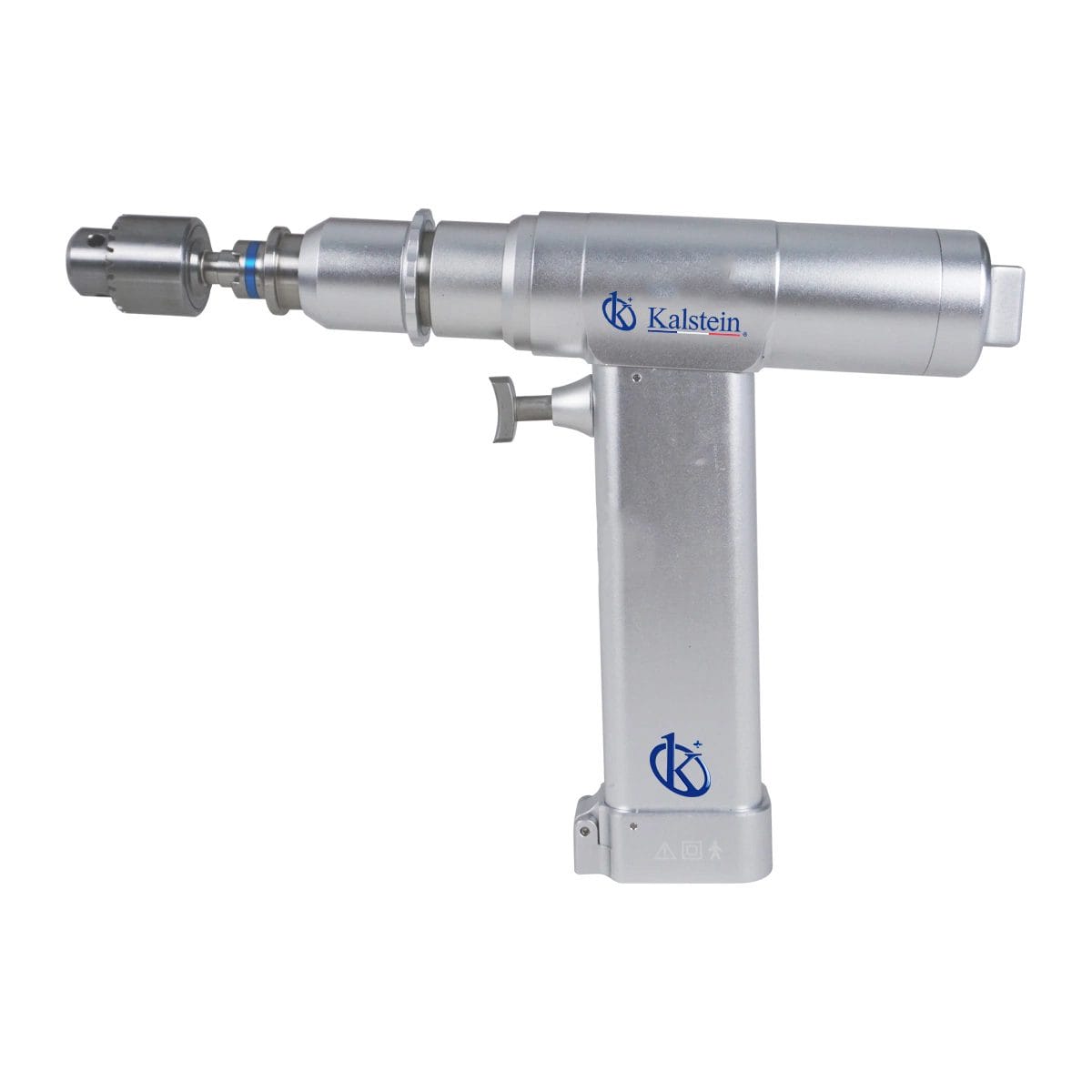
When evaluating surgical tools, veterinary professionals must weigh the initial purchase price against long-term benefits. Tools with higher upfront costs, such as the Electric Multifunction Tool for Veterinary Surgery YR06126, priced at $3100.00, may offer advanced capabilities that result in lower operational costs due to increased efficiency and reduced complication rates.
Operational Efficiency
Operational efficiency is key to maximizing ROI. Tools like the Micro/Mini Multifunctional Veterinary Tool for Small Animals YR06127, priced at $1300.00, feature quick-chuck mechanisms and ergonomic designs that can enhance productivity. By decreasing the time required for procedures, practices can increase patient turnover, thereby generating additional revenue.
Maintenance and Longevity
Maintenance costs also contribute to the overall ROI. Tools that require frequent servicing can erode potential profits. For instance, the Veterinary TPLO Saw YR06128, priced at $1200.00, is designed for durability, minimizing maintenance needs and ensuring longevity, which helps maintain a favorable ROI over time.
Comparison of Available Models
| Model | Initial Cost (USD) | Key Features | Best For |
|---|---|---|---|
| YR06126 | 3100.00 | Multi-functional, quick adapter change for various surgeries | Joint and neuro surgeries |
| YR06127 | 1300.00 | Lightweight, ergonomic, quick-chuck mechanism | Small animal surgeries |
| YR06128 | 1200.00 | Specialized for TPLO, high durability | Knee stabilization surgeries |
Common Mistakes and How to Avoid Them
When selecting surgical tools, common pitfalls include overlooking total ownership costs and failing to consider the specific needs of the practice. Veterinary professionals should conduct thorough research and perform a comprehensive cost-benefit analysis to ensure the chosen tools align with both financial and operational goals.
Factors Influencing ROI for Veterinary Surgical Tools
Type of Procedures Performed
The types of procedures performed significantly influence the ROI of surgical tools. Multi-functional tools like the YR06126 can handle a variety of surgeries, thus justifying their higher costs through versatility and reducing the need for multiple specialized devices.
Patient Turnover Rates
Higher patient turnover can drastically enhance ROI. Efficient tools that facilitate quicker procedures can lead to more patients treated per day, driving revenue. The ergonomic design of the YR06127 allows for this increased throughput, making it a smart investment.
Training and Expertise
The skill level of the surgical team also impacts the efficiency of the tools used. Investing in training for staff on the correct usage of complex tools can significantly improve outcomes and operational efficiency, thereby boosting ROI.
Real-World Case Studies
Case Study: A High-Volume Veterinary Clinic
A veterinary clinic specializing in oncology invested in the Electric Multifunction Tool YR06126. Despite its initial cost, the clinic reported a 20% increase in surgical throughput within six months, demonstrating a favorable ROI through improved efficiencies.
Case Study: Small Animal Practices
Another small animal practice adopted the YR06127, capitalizing on its lightweight and ergonomic design. The practice noted a decrease in procedure time and an increase in patient satisfaction, leading to an extended client base and increased revenue.
Frequently Asked Questions
What is the ROI of investing in veterinary surgical tools like YR06126?
The ROI for the Electric Multifunction Tool YR06126 can be substantial, with practices often seeing improved efficiency and reduced complication rates. Initial costs of $3100.00 are offset by the increased surgical throughput it enables.
How do I assess the cost-benefit of the YR06127 surgical tool?
To evaluate the cost-benefit of the Micro/Mini Multifunctional Veterinary Tool YR06127, consider its purchase price of $1300.00 versus the potential increase in patient turnover and satisfaction due to its ergonomic design and quick operation.
Which veterinary surgical tools have the lowest maintenance costs?
The Veterinary TPLO Saw YR06128 is designed for longevity, minimizing maintenance needs. Its cost of $1200.00 is justified through its durability and efficiency in performing knee stabilization surgeries.
How can I increase patient turnover with surgical tools?
Investing in tools like the YR06127, which enhance operational efficiency, can significantly increase patient turnover. Its design allows for quicker procedures, thus enabling treatment for more patients per day.
What factors should I consider for ROI in veterinary surgical equipment?
Key factors include initial costs, maintenance expenses, patient turnover rates, and the specific surgical procedures performed. Tools that are multi-functional, like the YR06126, can offer a competitive advantage.
How does training impact the ROI of surgical tools?
Proper training on tools, such as the YR06128, enhances operational efficiency and surgical outcomes, significantly impacting ROI. Investing in training can ensure staff utilize the equipment to its fullest potential.
What is the average payback period for surgical tools in veterinary practices?
The average payback period varies widely but investing in efficient equipment like the YR06126 can lead to paybacks within six months to a year, depending on practice volume.
How do veterinary surgical tools affect overall practice profitability?
Effective surgical tools, such as the YR06127 and YR06128, can enhance surgical outcomes and increase patient turnover, directly contributing to improved practice profitability.
If you are looking for a fusion of innovation and quality, you have come to the right place. At Kalstein, we offer you the luxury of exploring our exclusive catalog of laboratory equipment. We manufacture every device to the highest standards of excellence. Our intuitive and seamless online purchasing channels are designed for your convenience, securing the most competitive prices. Hesitate no longer — we bring science to life, it is time to become part of our community.