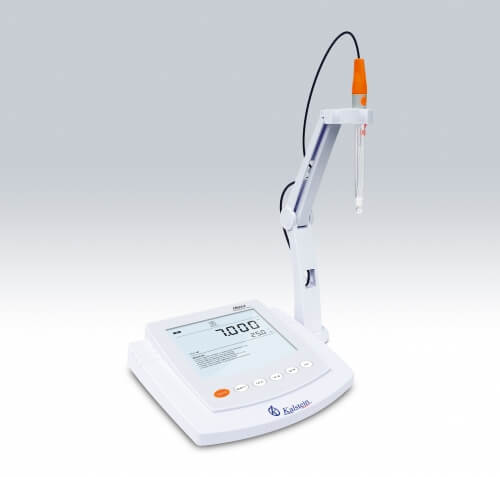
How to Evaluate ROI and Cost-Benefit Analysis for Table Conductivity Controllers?
In the laboratory environment, selecting the right equipment is crucial not only for accuracy but also for financial viability. Table conductivity controllers are essential tools for measuring the conductivity of solutions, which plays a significant role in various laboratory applications. Given the investment required, understanding the return on investment (ROI) and conducting a thorough cost-benefit analysis is essential for laboratory professionals. This article delves into how to evaluate these aspects effectively while analyzing multiple models of table conductivity controllers.
Understanding ROI and Cost-Benefit in Laboratory Settings
Return on investment (ROI) is a critical metric that evaluates the efficiency of an investment. In a laboratory setting, ROI can be calculated by comparing the financial returns generated by the use of a piece of equipment, like a table conductivity controller, against its initial and ongoing costs. A comprehensive cost-benefit analysis helps to identify the tangible and intangible benefits associated with the equipment, assisting in making informed decisions.
For instance, while investing in a high-quality table conductivity controller can incur a higher upfront cost, its long-term reliability, accuracy, and lower maintenance costs can yield a positive ROI over time. Therefore, understanding these financial implications is essential for laboratory professionals making equipment acquisitions.
Key Factors Affecting ROI for Table Conductivity Controllers
When evaluating the ROI of table conductivity controllers, several factors should be examined:
- Purchase Price: The initial investment impacts the ROI calculation directly. Models vary in price, with some offering advanced features at a higher cost.
- Operational Costs: This includes maintenance, calibration, and potential downtime, which can incur additional expenses.
- Efficiency and Accuracy: Higher accuracy often leads to better results, reducing the need for re-testing and thus saving costs in the long run.
- Compliance and Standards: Equipment that aids in meeting regulatory requirements can prevent costly penalties and enhance lab credibility.
Comparison of Available Models
| Model | Purchase Price (USD) | Calibration Points | Best For | Expected ROI (Months) |
|---|---|---|---|---|
| YR01836-1 | 355.00 | 1 to 5 | Complex solutions requiring high accuracy | 12 |
| YR01836 | 199.00 | 1 to 3 | General laboratory use | 8 |
| YR01829-1 | 160.00 | 1 to 3 | Daily testing requirements | 10 |
| YR01829-2 | 235.00 | 1 to 3 | Standard analyses | 9 |
| YR01829 | 285.00 | 1 to 3 | Advanced laboratory settings | 11 |
| YR01828 | 232.00 | 1 to 3 | Multi-parameter testing | 10 |
Quantitative Breakdown of Costs and Benefits
Performing a quantitative breakdown helps to visualize the potential financial impact of using different models. Consider the following cost allocation:
| Model | Initial Investment (USD) | Annual Maintenance Cost (USD) | Average Output (Tests/Year) | Cost per Test (USD) |
|---|---|---|---|---|
| YR01836-1 | 355.00 | 50.00 | 5000 | 0.081 |
| YR01836 | 199.00 | 30.00 | 6000 | 0.035 |
| YR01829-1 | 160.00 | 25.00 | 4000 | 0.045 |
Common Mistakes and How to Avoid Them
Laboratory professionals often make several common mistakes when evaluating ROI and cost-benefit:
- Neglecting Total Cost of Ownership: Focusing solely on the initial purchase price can lead to unexpected costs. Always consider maintenance and operational expenses.
- Ignoring Efficiency Metrics: Disregarding the efficiency and accuracy of the models can lead to poor ROI. Ensure to review performance data.
- Failure to Consider Compliance Needs: Not evaluating how equipment meets regulatory standards can result in significant liabilities. Always check how the model fits into compliance requirements.
Frequently Asked Questions
What is the average ROI for investing in table conductivity controllers over time?
The ROI for table conductivity controllers can vary based on usage and model, but typically ranges from 8 to 12 months payback, such as with models like YR01836.
How do I calculate the cost per test for table conductivity controllers?
To calculate the cost per test, divide the total annual costs, including maintenance and initial investment, by the number of tests performed annually. For example, model YR01836 shows a cost per test of approximately $0.035.
Which features should I prioritize for ROI when choosing a table conductivity controller?
Prioritize features that enhance accuracy and efficiency, such as automatic calibration and temperature compensation. The YR01829 series provides considerable benefits in these areas.
How does maintenance affect the ROI of table conductivity controllers?
Regular maintenance ensures accurate readings and prolongs equipment life, which directly influences ROI. For instance, a model like YR01828 has a manageable maintenance cost that supports its ROI.
Can investing in higher-priced models lead to better ROI for table conductivity controllers?
Investing in higher-priced models can lead to better ROI due to improved performance and lower long-term operational costs, as seen with the YR01836-1 model.
What cost-saving strategies can laboratories implement for table conductivity controllers?
Laboratories can implement strategies such as regular preventive maintenance and using reliable calibration standards, which models like YR01829 make easier to accomplish.
How do I assess the compliance of table conductivity controllers with regulatory standards?
Assess compliance by reviewing model specifications against relevant regulatory standards. Models such as YR01836 are designed to meet various compliance requirements effectively.
What is the average lifespan of a table conductivity controller?
The average lifespan of a table conductivity controller can exceed 5 years with proper maintenance, as indicated by models like YR01829, which are built for durability.
If you are looking for a fusion of innovation and quality, you have come to the right place. At Kalstein, we offer you the luxury of exploring our exclusive catalog of laboratory equipment. We manufacture every device to the highest standards of excellence. Our intuitive and seamless online purchasing channels are designed for your convenience, securing the most competitive prices. Hesitate no longer — we bring science to life, it is time to become part of our community.