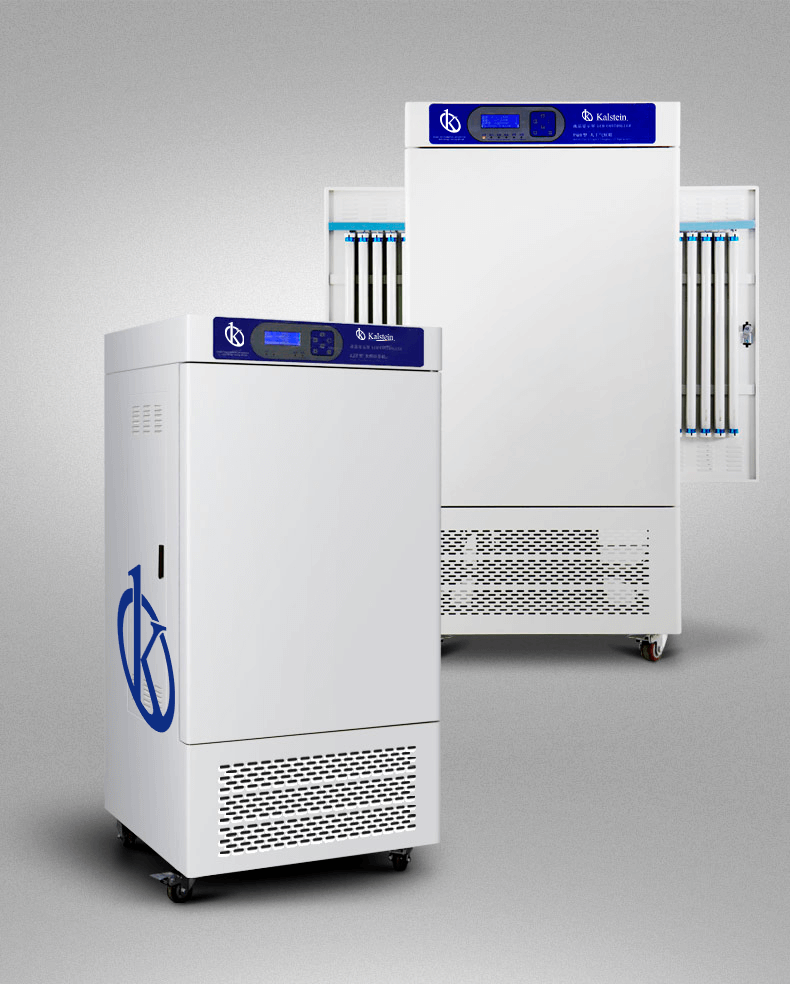
Environmental Chambers: Best Techniques and Protocols in 2026
What is it used for in 2026
Environmental chambers are essential in various laboratory settings for simulating controlled environmental conditions. In 2026, these chambers are widely utilized for a range of applications including biological research, agricultural testing, and material stress testing. They allow researchers to analyze how changes in temperature and humidity affect living organisms and materials, thereby contributing significantly to scientific advancements. Laboratories use them to create ideal conditions for growth and development, ensuring high-quality data collection for experiments.
History and evolution of the technology
The concept of environmental chambers dates back several decades, with the early designs being rudimentary and limited in their capabilities. Over the years, technological advancements have led to the development of highly specialized chambers that offer precise control over temperature, humidity, and lighting. Initially used primarily in agricultural and biological fields, the technology has expanded into material sciences and pharmaceuticals, reflecting a broader need for controlled testing environments in various scientific disciplines.
How to use it step by step
Using an environmental chamber involves several key steps to ensure optimal performance and results. Here’s a step-by-step guide:
- Setup the Chamber: Ensure that the chamber is placed on a stable surface and plugged into a power source. Allow it to reach the desired baseline conditions before introducing samples.
- Configure Settings: Using the control panel, set the temperature and humidity levels according to the experiment requirements. For models like YR05328, YR05329, and YR05330, utilize the intuitive settings for lighting levels as needed.
- Introduce Samples: Place the samples or organisms inside the chamber. Ensure proper spacing to allow air circulation.
- Monitor Conditions: Regularly check the readings on the control panel to ensure that the chamber maintains the set conditions without fluctuations.
- Record Data: As the experiment progresses, document any changes in the samples and the internal conditions of the chamber for future analysis.
- Post-Experiment Procedures: After the experiment, carefully remove samples, clean the chamber, and reset it for future use.
Best techniques and protocols
To maximize the efficacy of environmental chambers, follow these best practices:
- Use calibrated sensors for accurate readings.
- Perform routine maintenance and checks on all components.
- Ensure a thorough understanding of each model’s specific settings and capabilities to utilize their full potential.
- Develop a standardized protocol for data collection and monitoring during experiments.
- Implement training sessions for laboratory personnel to ensure proper usage and safety standards are met.
Practical applications by laboratory type
Environmental chambers serve various purposes across different laboratory types:
- Biological Labs: Used to study microbial growth under controlled conditions.
- Agricultural Labs: Facilitate plant growth studies and seed germination tests.
- Material Science Labs: Test the durability of materials under extreme environmental conditions.
- Pharmaceutical Labs: Conduct stability studies on drugs to evaluate their longevity under varying climates.
Regulations, standards and certifications
In 2026, laboratories using environmental chambers must comply with several regulations and standards to ensure reliability and safety. Key certifications to consider include:
- ISO 9001 for quality management systems.
- ISO 17025 for laboratory competence and reliability of results.
- FDA guidelines in pharmaceutical testing environments.
- Local and international safety standards for electrical equipment.
Comparison with alternative technologies
When considering environmental chambers, it’s essential to compare them with alternative technologies:
- Incubators: Typically used for the growth of microbiological cultures, but with limited environmental control compared to chambers.
- Refrigerators and Freezers: Primarily for temperature control without humidity regulation.
- Climate Control Rooms: Offer larger space but require more resources and are less flexible than portable environmental chambers.
Comparison of available models
| Model | Best for | Key specs | Recommended use case |
|---|---|---|---|
| YR05328 | Microbial growth studies | Temperature: 10~60℃, Humidity: 50%-90% | Ideal for small biological experiments requiring strict temperature and humidity controls. |
| YR05329 | Plant growth research | Temperature: 10~60℃, Humidity: 50%-90% | Best suited for agricultural tests focusing on seed germination and plant development. |
| YR05330 | Material testing | Temperature: 10~60℃, Humidity: 50%-90% | Perfect for evaluating the durability of materials in variable climates. |
Common mistakes and how to avoid them
Some frequent mistakes made when using environmental chambers include:
- Failing to pre-calibrate the equipment before starting experiments.
- Not allowing the chamber to stabilize after setting conditions.
- Overcrowding the chamber, which can lead to uneven conditions.
- Neglecting regular maintenance and checks on the equipment.
Maintenance, calibration and good practices 2026
In 2026, maintaining environmental chambers requires regular calibration and upkeep:
- Schedule quarterly maintenance checks to assess functionality.
- Calibrate internal sensors bi-annually to ensure accuracy.
- Clean the interior regularly to prevent contamination.
- Document all maintenance activities for compliance and traceability.
Cost-benefit analysis 2026
Investing in environmental chambers offers significant benefits:
- Enhanced Data Quality: Controlled conditions lead to more reliable and repeatable results.
- Versatility: Suitable for various experiments across different fields.
- Long-term Savings: Energy-efficient models reduce operational costs over time.
The initial cost should be weighed against the potential for increased data reliability and the expansion of research capabilities.
Frequently asked questions
What are the key benefits of using an environmental chamber?
Environmental chambers provide precise control over temperature, humidity, and light, leading to consistent and reproducible experimental results.
How do I choose the right model for my laboratory needs?
Consider the specific requirements of your experiments, such as the range of temperature and humidity needed, as well as the volume of samples you’ll be testing.
What maintenance is required to keep the chambers functioning optimally?
Regular checks, calibrations, and interior cleaning are essential for maintaining performance and accuracy.
Can environmental chambers be used for both plant and microbial studies?
Yes, these chambers can be customized for various applications including plant growth and microbial culture studies.
What should I do if the chamber is not maintaining the set conditions?
Check the calibration of the sensors, ensure that the chamber is not overcrowded, and confirm that it has had enough time to stabilize after setting conditions.
Are there specific certifications I should look for when purchasing an environmental chamber?
Yes, look for ISO 9001 and ISO 17025 certifications for quality assurance and compliance with laboratory standards.
How can I request a quote for an environmental chamber?
You can easily request a quote by visiting our online platform and selecting the model that fits your needs.
If you are looking for a fusion of innovation and quality, you have come to the right place. At Kalstein, we offer you the luxury of exploring our exclusive catalog of laboratory equipment. We manufacture every device to the highest standards of excellence. Our intuitive and seamless online purchasing channels are designed for your convenience, securing the most competitive prices. Hesitate no longer — we bring science to life, it is time to become part of our community.