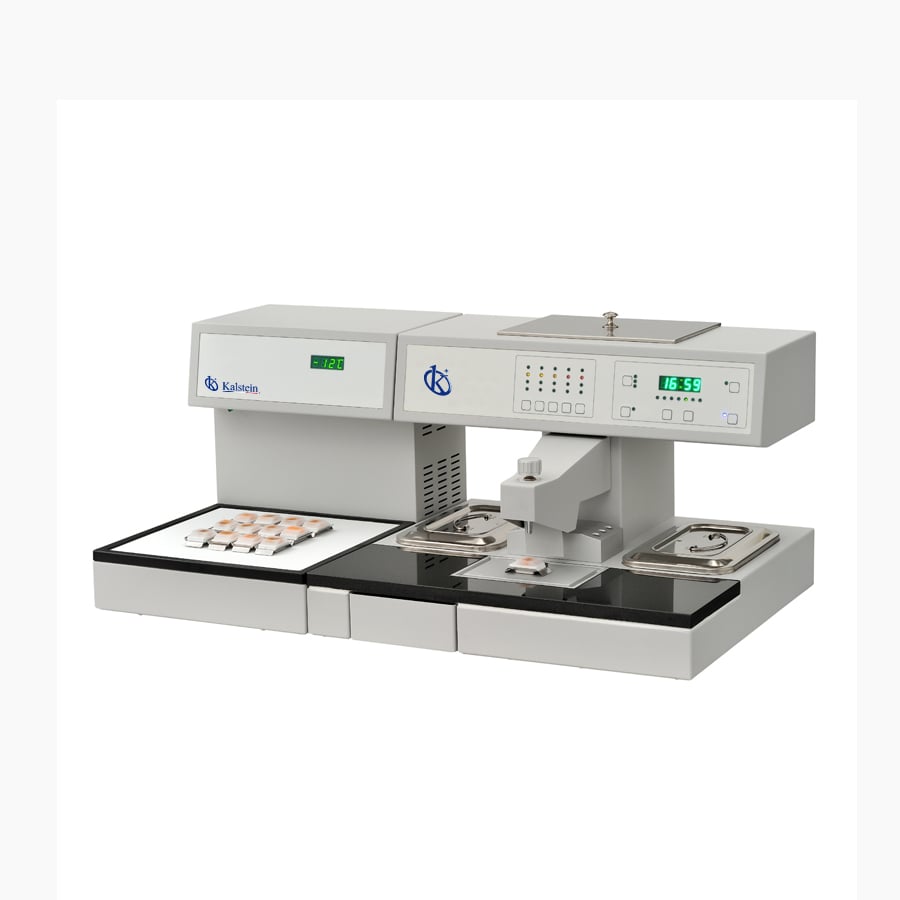
How to Enhance Energy Sustainability and Reduce Environmental Footprint in Tissue Embedding Systems
In the realm of pathological anatomy, tissue embedding systems play a crucial role in the processing of biological samples. With growing concerns over energy sustainability and the environmental footprint of laboratory operations, it is essential to explore strategies that laboratories can adopt to enhance their sustainability practices. This article delves into various models of tissue embedding systems, assessing their energy consumption, efficiency, and overall contribution to reducing environmental impact.
Understanding the Importance of Energy Sustainability in Laboratories
Energy sustainability in laboratories is not just a trend but a necessity. As laboratories strive to maintain operational efficiency while minimizing their environmental impact, understanding energy consumption patterns becomes paramount. Tissue embedding systems, widely employed for embedding biological tissues in paraffin, must be scrutinized to identify areas for energy savings and improved efficiency.
Comparison of Available Models
| Model | Paraffin Chamber Capacity (L) | Temperature Range (℃) | Energy Consumption (W) | Price (USD) |
|---|---|---|---|---|
| YR441 | 3 | 55 - 70 | 2200 | 2200.00 |
| YR447 | 4 | RT - 85 | 2800 | 2800.00 |
| YR439 | 3 | 55 - 70 | 1300 | 1300.00 |
| YR445 | 4 | RT - 85 | 1800 | 1800.00 |
| YR439-1 | ≥6 | TA - 85 | 2100 | 2100.00 |
| YR440B | N/A | 0 to -20 | 300 | 1100.00 |
Strategies for Reducing Energy Consumption in Tissue Embedding Systems
1. **Optimize Temperature Settings**: Minimizing the temperature settings on tissue embedding systems can significantly reduce energy consumption. For instance, models like YR441 and YR439 allow for precise temperature controls within the range of 55 to 70℃, enabling users to find the optimal balance between functionality and energy use.
2. **Use Programmable Controls**: Systems with programmable features, such as the YR447, allow labs to set specific operational times, reducing unnecessary energy use during off-hours. This feature enhances efficiency while contributing to lower energy bills.
3. **Regular Maintenance**: Scheduling regular maintenance checks can ensure that the equipment is functioning optimally, thereby preventing excessive energy consumption. Models like YR445 and YR439 include intuitive control panels that simplify monitoring and maintenance protocols.
How Energy Efficiency Can Enhance Laboratory Productivity
Energy-efficient tissue embedding systems not only contribute to sustainability goals but also enhance laboratory productivity. By reducing energy costs, labs can allocate funds to other critical areas, such as research and development. Moreover, efficient systems minimize downtime, allowing for a more seamless workflow in tissue processing.
Evaluating the Environmental Footprint of Tissue Embedding Systems
Understanding the environmental footprint of tissue embedding systems involves assessing both direct and indirect energy consumption. Indirect energy consumption, stemming from the lifecycle of equipment, such as production and disposal, must also be considered. For example, the YR440B model utilizes environmentally friendly refrigerants, which contribute positively to its lifecycle assessment compared to traditional systems.
Common Mistakes and How to Avoid Them
1. Ignoring Energy Consumption Metrics: Many laboratories overlook the energy consumption metrics of their devices. When purchasing new equipment, buyers should compare energy ratings among models like YR447 and YR445 to ensure they choose the most efficient options.
2. Underutilizing Programmable Features: Failing to utilize programmable features in systems like YR439-1 can lead to wasted energy. Training staff on how to maximize these features can enhance overall system efficiency.
Frequently Asked Questions
How can I choose an energy-efficient tissue embedding system for my laboratory?
Choosing an energy-efficient tissue embedding system requires evaluating models such as YR441 and YR439 based on their energy consumption metrics and programmable features. Look for systems that provide flexible temperature ranges and allow for automated scheduling to minimize energy waste.
What is the typical energy consumption of tissue embedding systems?
The energy consumption of tissue embedding systems varies significantly across models. For instance, the YR447 has a consumption rate of 2800W, while the YR440B operates at 300W, making it essential to compare specifications to determine the best fit for energy efficiency.
Which features should I prioritize for sustainability in tissue embedding systems?
Key features to prioritize for sustainability include programmable temperature controls and energy-efficient heating elements. Models like YR445 and YR439 offer advanced programmability which can help reduce energy consumption significantly.
How do I measure the environmental impact of a tissue embedding system?
To measure environmental impact, consider both energy consumption and waste generated. Utilizing a lifecycle assessment approach can help evaluate the environmental footprint, particularly for models like YR440B that use eco-friendly refrigerants.
What benefits can I expect from using an energy-efficient tissue embedding system?
Energy-efficient tissue embedding systems, such as the YR441, greatly reduce operational costs, enhance laboratory productivity, and contribute positively to sustainability efforts by minimizing the environmental footprint.
How often should I maintain my tissue embedding system to ensure energy efficiency?
Regular maintenance should occur at least every six months for optimal performance. Following maintenance protocols detailed in the manuals of models like YR447 and YR445 helps ensure that systems operate efficiently, minimizing energy waste.
What is the price range for tissue embedding systems with sustainable features?
The price range for tissue embedding systems with sustainable features varies, typically from around $1,300 for the YR439 to $2,800 for the YR447. Investing in higher-quality models can lead to long-term savings through lower energy consumption.
Can integrating tissue embedding systems with LIMS improve sustainability?
Yes, integrating tissue embedding systems with Laboratory Information Management Systems (LIMS) can enhance sustainability by optimizing workflows and reducing energy consumption. This integration supports data-driven decisions to manage resources effectively.
If you are looking for a fusion of innovation and quality, you have come to the right place. At Kalstein, we offer you the luxury of exploring our exclusive catalog of laboratory equipment. We manufacture every device to the highest standards of excellence. Our intuitive and seamless online purchasing channels are designed for your convenience, securing the most competitive prices. Hesitate no longer — we bring science to life, it is time to become part of our community.