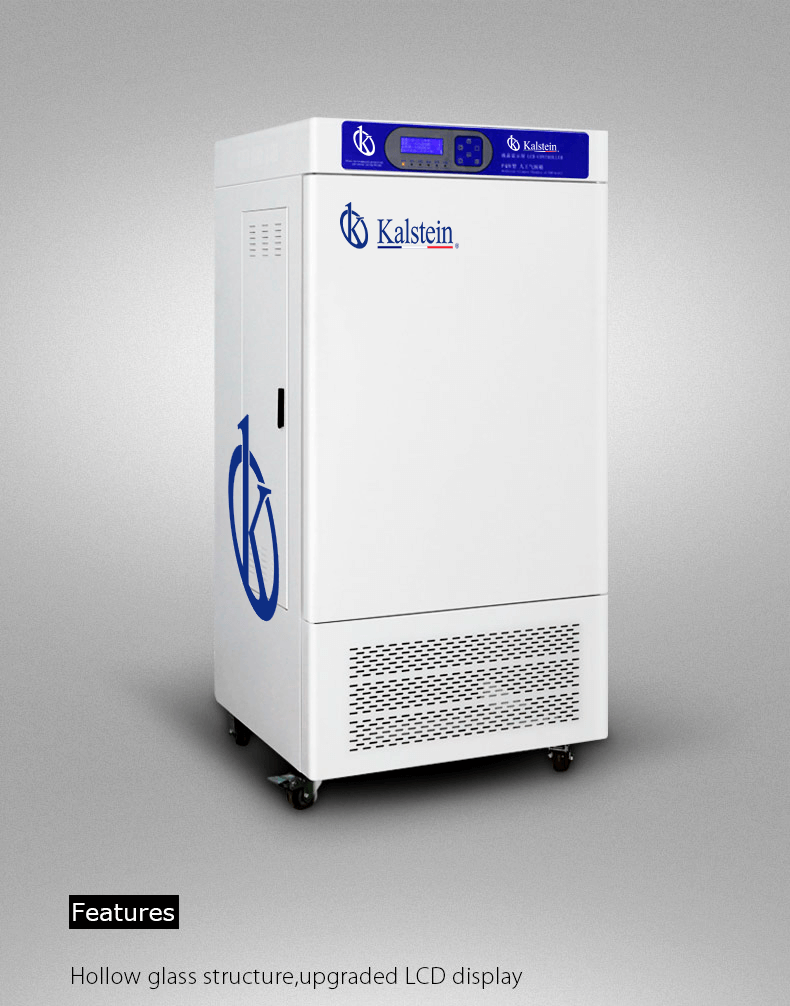
Energy Sustainability and Environmental Impact Reduction in Plant Growth Chambers
In today's world, energy sustainability and reducing environmental impact are critical concerns for laboratory professionals, particularly those working with plant growth chambers. These chambers are essential for simulating optimal growth conditions for various plant-related experiments, yet they can also be significant consumers of energy and resources. As the demand for sustainable practices escalates, understanding the energy consumption and environmental footprint of plant growth chambers becomes paramount.
Understanding the Role of Plant Growth Chambers in Sustainability
Plant growth chambers provide controlled environments that are crucial for research and development in agriculture, horticulture, and biology. However, these chambers often utilize significant amounts of energy for heating, cooling, and lighting. By adopting energy-efficient technologies and practices, laboratories can reduce their carbon footprint while maintaining productivity. The integration of renewable energy sources and advanced energy management systems can also enhance the sustainability of these chambers.
Key Features for Energy Efficiency
Modern plant growth chambers, like the YR05331, YR05332, and YR05333, are designed with several features that promote energy efficiency:
- Smart Temperature Control: Advanced microcomputer control systems regulate temperature effectively, minimizing energy waste.
- Adjustable Lighting: The ability to adjust lighting levels (up to five settings) helps optimize energy use based on specific plant requirements.
- Environmentally-friendly Refrigerants: Utilizing non-fluorinated refrigerants contributes to lower environmental impact.
Model Comparison for Energy Efficiency
| Model | Temperature Range (°C) | Lighting (LX) | Power (W) | Volume (L) | Price (USD) |
|---|---|---|---|---|---|
| YR05331 | 10~50 (with lighting), 5~60 (without lighting) | 0~10000 | 900 | 150 | 1015.00 |
| YR05332 | 10~50 (with lighting), 5~60 (without lighting) | 0~15000 | 1000 | 250 | 1270.00 |
| YR05333 | 10~50 (with lighting), 5~60 (without lighting) | 0~15000 | 1200 | 350 | 1700.00 |
Common Mistakes and How to Avoid Them
When selecting plant growth chambers, laboratories often overlook energy consumption and environmental impact. A common mistake includes choosing models solely based on initial cost rather than long-term energy efficiency. Additionally, inadequate training on optimal usage can lead to increased energy waste. To avoid these pitfalls, laboratories should prioritize models with proven energy-saving features and ensure staff are trained in efficient operation practices.
Strategies for Reducing the Environmental Footprint
Implementing the following strategies can significantly reduce the environmental footprint of plant growth chambers:
- Regular Maintenance: Scheduled maintenance ensures chambers operate at peak efficiency, reducing energy consumption.
- Use of Renewable Energy: Integrating renewable energy sources such as solar panels can offset operational energy needs.
- Monitoring Systems: Employing energy monitoring systems can help identify inefficiencies and optimize usage patterns.
Energy Consumption Metrics: A Comparative Analysis
Understanding energy consumption is vital for evaluating the efficiency of plant growth chambers. The following table outlines energy consumption metrics for each model:
| Model | Energy Consumption (kWh per month) | Operational Cost (USD per month) | CO2 Emissions (kg per month) |
|---|---|---|---|
| YR05331 | 150 | 22.50 | 75 |
| YR05332 | 200 | 30.00 | 100 |
| YR05333 | 250 | 37.50 | 125 |
Future Trends in Plant Growth Chamber Technology
The future of plant growth chambers is leaning towards increased automation and connectivity. Incorporating IoT capabilities can enable remote monitoring and control, allowing for real-time adjustments that enhance energy efficiency. Furthermore, advances in materials and insulation techniques are expected to improve thermal performance, thereby reducing the overall energy demand.
Frequently Asked Questions
How can I reduce energy consumption in plant growth chambers?
Reducing energy consumption can be achieved by selecting energy-efficient models like YR05331, which offers smart temperature control and adjustable lighting. Regular maintenance and integrating renewable energy sources also contribute to lower energy usage and operational costs.
What are the key features to look for in a sustainable plant growth chamber?
When considering sustainability, features such as energy-efficient cooling systems, adjustable lighting levels, and uses of environmentally-friendly refrigerants are essential. The YR05332, for instance, incorporates these aspects, making it a suitable choice for energy-conscious laboratories.
Which plant growth chamber model is best for minimizing environmental impact?
The YR05333 is designed with advanced energy-saving technologies that effectively minimize environmental impact. With higher lighting capacities and optimized energy consumption, it offers a superior balance between performance and sustainability.
What are the expected operational costs for a plant growth chamber?
Operational costs vary by model; for example, the YR05331 operates at approximately $22.50 per month, making it a cost-effective choice for laboratories focusing on sustainability. Cost analysis should include energy consumption and maintenance expenses.
How does temperature control impact energy efficiency in plant growth chambers?
Effective temperature control directly impacts energy efficiency by reducing energy waste. Models like the YR05332 utilize advanced microcomputer controls to maintain optimal conditions without excessive energy consumption, making them ideal for energy efficiency.
What are the long-term benefits of investing in energy-efficient plant growth chambers?
Investing in energy-efficient plant growth chambers, such as the YR05333, can reduce operational costs, minimize environmental impact, and enhance laboratory sustainability. These chambers often provide better performance with lower energy requirements.
How can I implement renewable energy solutions for my plant growth chamber?
Integrating renewable energy solutions involves assessing your laboratory's energy needs and installing systems like solar panels. This can significantly lower energy costs for models like YR05331, which are already designed for energy efficiency.
Conclusion
If you are looking for a fusion of innovation and quality, you have come to the right place. At Kalstein, we offer you the luxury of exploring our exclusive catalog of laboratory equipment. We manufacture every device to the highest standards of excellence. Our intuitive and seamless online purchasing channels are designed for your convenience, securing the most competitive prices. Hesitate no longer — we bring science to life, it is time to become part of our community.