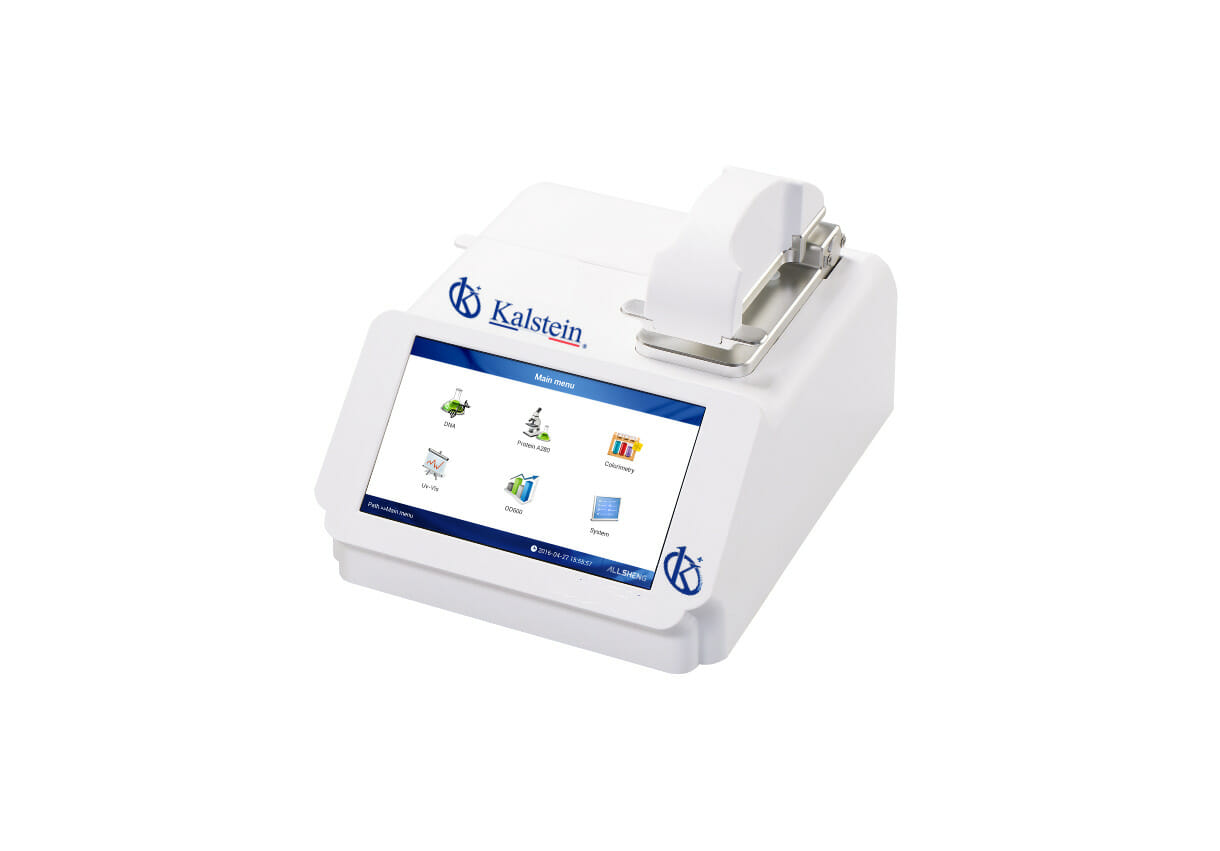
Energy Sustainability and Environmental Impact in Micro-Spectrophotometers
As laboratory professionals strive for greater efficiency and lower environmental impact, the role of micro-spectrophotometers has come under scrutiny. These instruments are vital in a wide range of applications, yet their energy consumption and overall environmental footprint must be considered. This article delves into how various models of micro-spectrophotometers can enhance energy sustainability, reduce waste, and contribute to a greener laboratory environment.
Understanding Micro-Spectrophotometers and Their Role in Sustainability
Micro-spectrophotometers are essential tools used for measuring the concentration and purity of nucleic acids and proteins, among other applications. Their compact design allows for minimal sample size requirements, which not only conserves precious reagents but also contributes to a lower environmental footprint. In the context of energy sustainability, it’s crucial to evaluate how different models perform in terms of energy consumption during operation and the lifecycle of the device itself.
Energy Consumption Comparison of Micro-Spectrophotometers
A key factor in the sustainability of laboratory equipment is energy consumption. Understanding the kWh per run for each model provides insights into their efficiency. Below is a comparison of the models.
| Model | Energy Consumption per Run (kWh) | Sample Size (µl) | Best For |
|---|---|---|---|
| YR06033-1 | 0.1 | 2 | Broad applications in nucleic acid detection |
| YR06034 | 0.08 | 1-2 | Basic UV micro-volume analysis |
| YR06035 | 0.12 | 0.5-2 | Advanced nucleic acid and protein measurement |
| YR06033 | 0.15 | 1 | High precision in nucleic acid and protein assays |
Reducing Reagent Waste with Micro-Spectrophotometers
One of the most significant advantages of using micro-spectrophotometers is their ability to measure small sample volumes, often requiring only 1-2 µl for testing. This capability leads to a drastic reduction in reagent waste, which is vital for both cost savings and environmental considerations. For instance, the YR06034 model, which operates effectively with a sample volume of just 1-2 µl, can significantly decrease the amount of DNA and RNA extraction reagents used in experiments.
Lifecycle Assessment of Micro-Spectrophotometers
When assessing the sustainability of laboratory instruments, it’s essential to consider their entire lifecycle, from production to disposal. Micro-spectrophotometers, especially those like the YR06035, are designed with durable materials that enhance longevity and reduce e-waste. Additionally, many models are energy-efficient, reducing their carbon footprint during operation. Emphasizing lifecycle assessments helps laboratories make informed decisions that align with sustainability goals.
Environmental Impact of E-Waste from Laboratory Equipment
Laboratory equipment contributes to electronic waste (e-waste), which poses significant environmental challenges. Micro-spectrophotometers such as the YR06033 offer a more sustainable option through their compact design and reduced energy requirements. Effective disposal and recycling programs for these devices can mitigate the environmental impact, making it imperative for laboratories to engage in responsible disposal practices.
Comparison of Available Models
| Model | Energy Consumption (kWh) | Sample Size (µl) | Price (USD) | Best for |
|---|---|---|---|---|
| YR06033-1 | 0.1 | 2 | 5040.00 | Broad applications in nucleic acid detection |
| YR06034 | 0.08 | 1-2 | 2520.00 | Basic UV micro-volume analysis |
| YR06035 | 0.12 | 0.5-2 | 6090.00 | Advanced nucleic acid and protein measurement |
| YR06033 | 0.15 | 1 | 7500.00 | High precision in nucleic acid and protein assays |
Common Mistakes and How to Avoid Them
Many laboratories overlook the importance of selecting micro-spectrophotometers based on their energy efficiency and environmental impact. Here are common mistakes and how to avoid them:
- Ignoring Energy Usage: Always consider the kWh per run of the selected model; opt for devices with lower consumption.
- Not Evaluating Sample Size Requirements: Select models that match your practical needs while minimizing waste, like the YR06034.
- Neglecting Lifecycle Considerations: Assess the long-term sustainability of the equipment, focusing on durability and disposal.
- Failure to Implement E-Waste Strategies: Establish a proper disposal and recycling program for outdated equipment.
Frequently Asked Questions
How can micro-spectrophotometers reduce environmental impact in labs?
Micro-spectrophotometers like the YR06033-1 reduce environmental impact by minimizing reagent waste and energy consumption, with energy use as low as 0.1 kWh per run. Their compact design requires only 2 µl of sample, which is critical for conserving resources in laboratory settings.
What is the energy consumption of the YR06034 micro-spectrophotometer?
The YR06034 micro-spectrophotometer has an energy consumption of approximately 0.08 kWh per run, making it one of the more energy-efficient models on the market. This low energy requirement contributes to its sustainability profile in laboratory operations.
Which micro-spectrophotometer model is best for reducing reagent waste?
The YR06034 model is particularly effective in reducing reagent waste, as it operates efficiently with only 1-2 µl of sample size. This feature minimizes the volume of materials used and supports environmentally friendly laboratory practices.
What are the sustainability considerations for micro-spectrophotometer disposal?
When disposing of micro-spectrophotometers, it is essential to consider e-waste management strategies. Devices like the YR06035 are built for durability, which reduces the frequency of disposal and encourages responsible recycling practices.
How does the YR06035 contribute to energy sustainability in laboratories?
The YR06035 model contributes to energy sustainability by offering an energy consumption rate of 0.12 kWh per run, coupled with the capability to operate efficiently with as little as 0.5 µl of sample volume, minimizing overall energy and resource use.
Which micro-spectrophotometer provides the best performance for nucleic acid detection?
For nucleic acid detection, the YR06033-1 model is ideal, supporting detection with just 2 µl of sample while offering quick results and low energy consumption, which enhances both performance and sustainability in laboratory environments.
What lifecycle assessment factors are important for micro-spectrophotometers?
Key lifecycle assessment factors for micro-spectrophotometers include their energy efficiency, materials used in construction, durability, and the ease with which they can be recycled at the end of their life, which impacts their overall environmental footprint.
How can I optimize my laboratory's energy sustainability with micro-spectrophotometers?
You can optimize energy sustainability by selecting models with low energy consumption, such as the YR06034, and by adopting practices that minimize reagent waste, ensuring your laboratory operations are both efficient and environmentally responsible.
If you are looking for a fusion of innovation and quality, you have come to the right place. At Kalstein, we offer you the luxury of exploring our exclusive catalog of laboratory equipment. We manufacture every device to the highest standards of excellence. Our intuitive and seamless online purchasing channels are designed for your convenience, securing the most competitive prices. Hesitate no longer — we bring science to life, it is time to become part of our community.