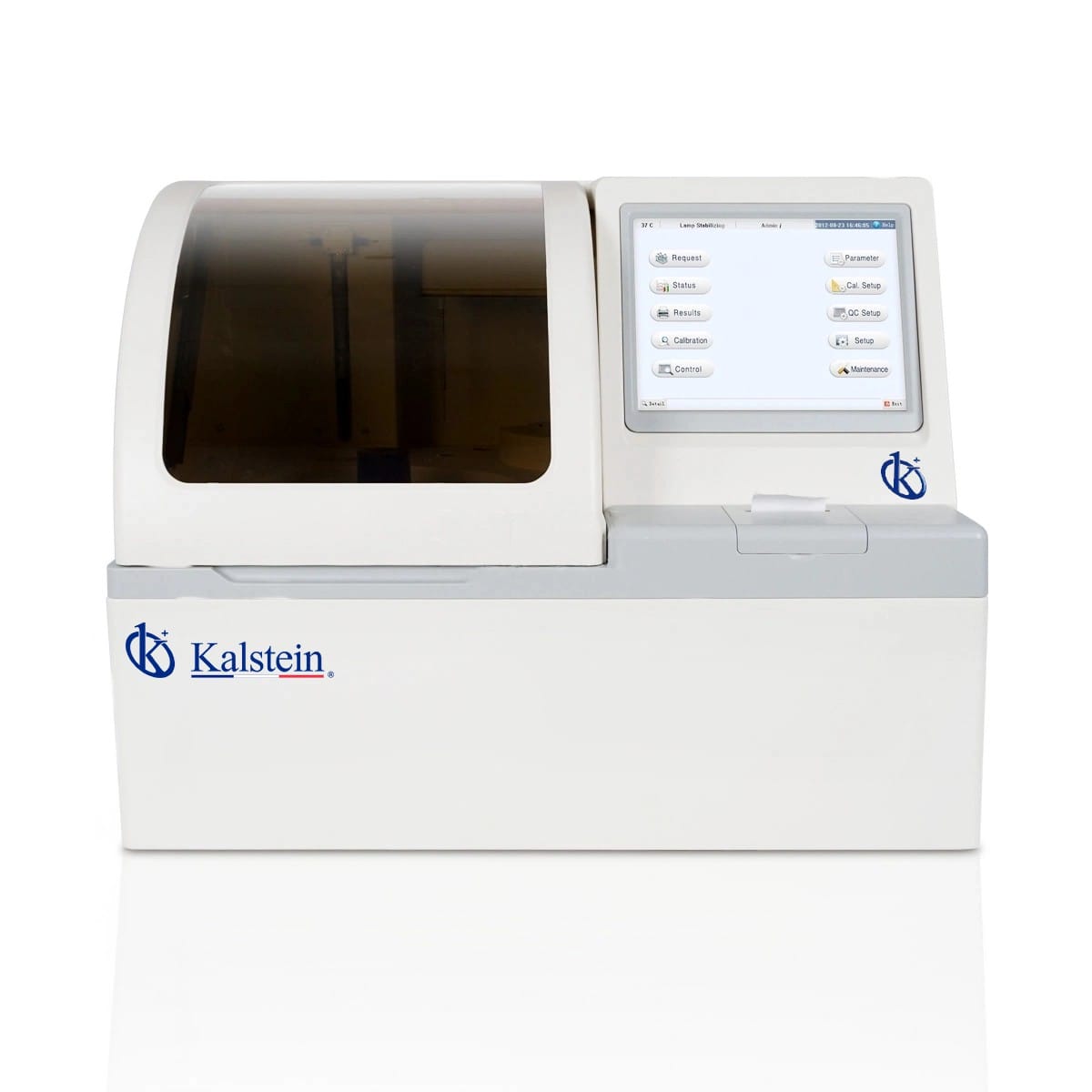
Energy Sustainability and Environmental Footprint Reduction in Veterinary Chemistry Analyzers
In an era where environmental consciousness is critical, veterinary chemistry analyzers are evolving to meet sustainability demands. Energy sustainability and reducing environmental footprints are essential for laboratories aiming for eco-friendly operations. This article examines various models available in the veterinary chemistry analyzer category, focusing on their contributions to energy efficiency and their overall environmental impact.
Understanding the Importance of Energy Sustainability in Veterinary Chemistry
Energy sustainability refers to the practice of using energy in a way that meets current needs without compromising future generations' ability to meet theirs. In veterinary medicine, this translates to utilizing equipment that minimizes energy consumption and reduces waste generation. As veterinary practices adopt more environmentally responsible policies, the choice of laboratory equipment becomes increasingly significant.
Comparison of Available Models
| Model | Energy Consumption (kWh/run) | Reagent Usage (mL/test) | Environmental Features | Best for |
|---|---|---|---|---|
| YR06168 | 0.5 | 0.5 | Open reagent system, low sample volume | High-throughput labs |
| YR06169 | 0.3 | 0.1 | Portable, minimal waste production | Field tests |
| YR06172 | 0.4 | 0.2 | Wireless data transmission, low power | Clinics requiring mobility |
| YR06174 | 0.6 | 1.0 | Long-lasting fluid system | Emergency care units |
| YR06077 | 0.5 | 0.8 | Real-time reaction curve visualization | Standard testing environments |
Key Features Supporting Sustainability
Each model within the veterinary chemistry analyzer family offers unique features that contribute to energy sustainability. For instance, the YR06169 Portable Veterinary Chemistry Analyzer is designed to consume less energy while providing accurate results quickly. It only requires approximately 100 µL of whole blood to deliver up to 16 results, which conserves both energy and reagent use.
Similarly, the YR06168 Automatic Veterinary Chemistry Analyzer includes an open reagent system that allows for flexible and efficient use of reagents, minimizing waste while ensuring high throughput of up to 100 tests per hour.
Reducing Reagent Footprint
Minimizing reagent consumption is another essential aspect of reducing the environmental footprint of veterinary chemistry analyzers. For example, the YR06172 Quantitative Veterinary Immunofluorescence Analyzer uses a microprocessor-based system that optimizes reagent usage, allowing for significant cost savings and reduced waste. The ability to store 10,000 images and print reports on demand further reduces paper waste.
Lifecycle Assessment of Models
Conducting a lifecycle assessment (LCA) enables laboratories to evaluate the environmental impact of their analyzers from production to disposal. The YR06174 Blood Gas and Electrolyte Analyzer incorporates a cartridge system that facilitates proper waste management and recycling practices, a key aspect of minimizing ecological impact.
Common Mistakes and How to Avoid Them
Laboratories often overlook crucial aspects while selecting chemistry analyzers. One common mistake is not considering the energy and reagent consumption profile of the equipment. When choosing a model, evaluate the specifications related to energy usage and waste generation. For example, the low reagent volume of the YR06169 can drastically reduce costs and environmental impact, making it a wise choice for environmentally conscious practices.
Frequently Asked Questions
How can I assess the energy consumption of a veterinary chemistry analyzer?
To assess the energy consumption of a veterinary chemistry analyzer, look for models like the YR06169, which has an energy consumption rating of 0.3 kWh per run. This metric helps compare the efficiency of different analyzers and supports informed decision-making regarding sustainability.
What are the environmental benefits of using the YR06168 model?
The YR06168 Automatic Veterinary Chemistry Analyzer offers significant environmental benefits through its open reagent system and efficient sample processing capabilities. With a high throughput of 100 tests per hour and minimal waste, this model is ideal for laboratories aiming to enhance their sustainability practices.
Which veterinary chemistry analyzer is best for reducing reagent use?
The YR06169 Portable Veterinary Chemistry Analyzer is excellent for reducing reagent use, requiring only 100 µL of whole blood to yield multiple results. Its design is ideal for field applications where reagent conservation is crucial.
How does the YR06174 model support eco-friendly practices?
The YR06174 Blood Gas and Electrolyte Analyzer supports eco-friendly practices with its integrated cartridge system, designed for easy recycling and waste management. This feature helps laboratories minimize their ecological footprint while maintaining efficiency.
What is the expected lifespan of veterinary chemistry analyzers in sustainable practices?
The expected lifespan of veterinary chemistry analyzers varies, but models like the YR06077 Chemical Veterinary Analyzer are built for durability. Regular maintenance and adherence to operational guidelines can enhance longevity and sustainability in veterinary practices.
Why is energy efficiency important for veterinary laboratories?
Energy efficiency is crucial for veterinary laboratories as it leads to lower operational costs and reduced environmental impact. Utilizing energy-efficient models like the YR06172 ensures that practices contribute positively to sustainability while remaining cost-effective.
How can I improve the sustainability of my veterinary laboratory?
Improving the sustainability of a veterinary laboratory can be achieved by adopting energy-efficient models like the YR06168 and optimizing reagent usage. Additionally, implementing recycling practices and choosing portable analyzers can further reduce the laboratory's ecological footprint.
If you are looking for a fusion of innovation and quality, you have come to the right place. At Kalstein, we offer you the luxury of exploring our exclusive catalog of laboratory equipment. We manufacture every device to the highest standards of excellence. Our intuitive and seamless online purchasing channels are designed for your convenience, securing the most competitive prices. Hesitate no longer — we bring science to life, it is time to become part of our community.